

A Complete Guide to Kidney and Bladder Health in Dogs
Manan Chawla 10 min read

Keeping your dog healthy means looking after every part of their body, including the organs you cannot see. The kidneys and bladder play a major role in keeping a dog comfortable, hydrated, and full of energy. When these organs begin to struggle, problems can show up quietly at first and then grow serious quickly. Clinical research shows that dogs experiencing a sudden worsening of chronic kidney disease have a hospital survival rate of only about 65 percent, highlighting how serious urinary conditions can become without early care. This guide walks you through what every dog parent should know about kidney and bladder health, common issues, early warning signs, prevention, nutrition, treatment, and trusted products that veterinarians often recommend.
Healthy urinary function gives dogs the freedom to live an active, comfortable life. Learning how to support this part of their body can help you protect them through every stage of age and activity.
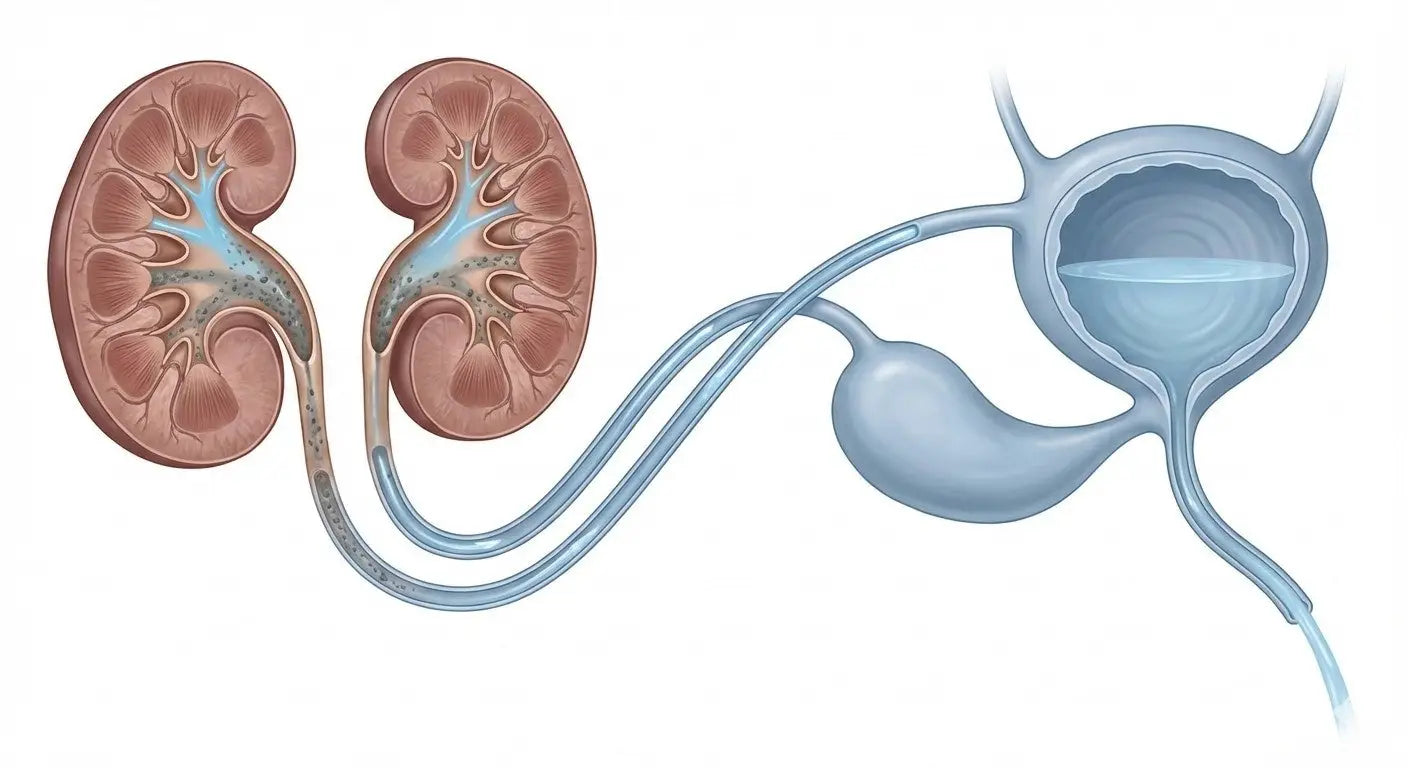
Understanding How the Canine Urinary System Works
To take good care of your dog, it helps to understand what the kidneys and bladder actually do. The kidneys act like hard-working filters that clean the blood, remove waste, and balance minerals. They regulate hydration, control certain hormones, and manage electrolyte levels. Once the kidneys filter out what the body does not need, the waste moves down thin tubes called ureters and collects in the bladder. The bladder stores urine until the dog is ready to go outside. The urethra then carries the urine out of the body.
This whole system works every minute of the day. If any part becomes irritated, infected, or damaged, your dog can become uncomfortable or sick. Early awareness gives you a strong advantage because most urinary problems respond better when caught early.
Common Kidney and Bladder Problems in Dogs
Dogs can face several urinary issues during their lifetime. Some are short-lived and easy to treat, while others need long-term management. Here are the most common problems and how they show up.
· Kidney Disease
Kidney disease comes in two main forms. Acute kidney injury appears suddenly and often happens due to toxins, severe infection, or dehydration. Chronic kidney disease develops slowly over months or years. Senior dogs are at higher risk, but it can affect younger pets as well. When a dog has kidney disease, the kidneys do not filter waste as well as they should. This allows toxins to build up and affects appetite, hydration, and overall comfort.
Veterinarians may use products from brands such as Elanco, Virbac, Dechra, or PRN Pharmacal, depending on what is causing the symptoms. These trusted companies create medications and supplements that help support kidney function, manage nausea, balance electrolytes, and improve comfort.
· Urinary Tract Infections
UTIs are common, especially in female dogs. A UTI happens when bacteria enter the urinary tract and begin to grow. It can lead to pain, frequent urination, and an urgent need to go outside. Dogs with chronic health conditions or poor hygiene habits may be more prone to infections. Veterinary teams often rely on well-known medications from Dechra, Elanco, and other respected brands to clear bacterial infections and help prevent complications.
· Bladder Stones and Crystals
Mineral crystals can form when a dog's urine becomes too concentrated or unbalanced. If these crystals group together, they can form bladder stones. Some stones cause mild irritation while others can cause blockages that prevent a dog from urinating. This is a medical emergency. Nutrition plays a major role in stone prevention. Many veterinarians recommend therapeutic diets like Hill's Prescription Diet c/d because they help dissolve certain stones and support a healthier urinary environment.
· Incontinence
Incontinence is common in older dogs and in some spayed females. It might look like small dribbles while the dog sleeps or rests. Incontinence usually happens because the muscles that support the bladder weaken over time. Specialized treatments from trusted companies such as PRN Pharmacal or Elanco can help improve muscle control and reduce leakage.
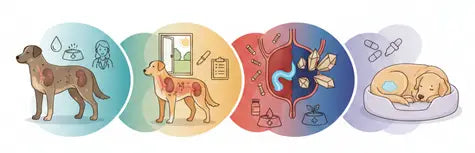
Top Kidney & Bladder Supplements for Dogs
View Collection →


Early Warning Signs You Should Watch Closely
Since dogs cannot speak up about pain or discomfort, changes in their behavior offer the first clues that something is wrong. Pay attention to any shift in your dog's bathroom habits, thirst, or energy level. Here are signs that often point to kidney or bladder problems.
· Urinating more often than usual
· Straining or showing discomfort while urinating
· Drinking far more water than normal
· Cloudy, smelly, or bloody urine
· Accidents inside the house
· Licking the genital area frequently
· Loss of appetite
· Weight loss
· Vomiting or nausea
· Lethargy or noticeable drop in energy
· Unusual restlessness or discomfort
If you see one or more of these changes, your veterinarian may recommend testing and will choose a treatment plan based on your dog’s needs. This plan may include options from PRN Pharmacal, Elanco, Virbac, or Dechra, depending on what the tests show.
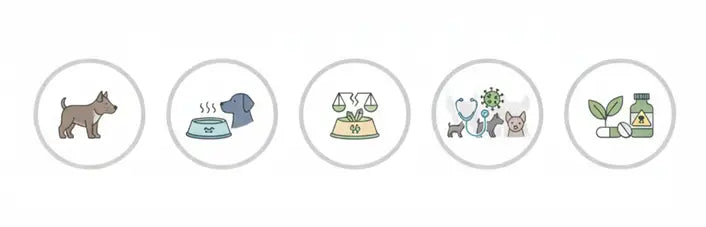
Key Causes and Risk Factors of Kidney and Bladder Problems in Dogs
Some urinary issues appear suddenly, while others build up over time. Here are the most common causes and risk factors.
Age
Senior dogs are especially prone to chronic kidney disease, and using kidney support diets and prescription-based supplements formulated for aging dogs can help reduce stress on the kidneys and support long-term comfort.
Low Hydration
Dogs that do not drink enough water are more prone to UTIs, crystals, and stones, as concentrated urine irritates the bladder and allows bacteria and minerals to build up, making moisture-rich diets and urinary health support products helpful for maintaining balance.
Diet
Nutritional imbalances can lead to urinary problems. Too many minerals, not enough moisture, or inconsistent feeding can all play a role. Therapeutic diets are designed to manage these concerns.
Breed Tendencies
Some breeds, such as Dalmatians and Schnauzers, have a higher chance of forming stones. Others may be more prone to kidney disease or chronic infections.
Infections and Illness
Diseases like diabetes, Cushing’s disease, and chronic infections can put extra strain on the kidneys.
Toxins
Certain houseplants, medications, and chemicals can damage the kidneys if ingested. Always store hazardous items safely.
How Diet Supports Kidney and Bladder Health
Nutrition plays a central role in kidney and bladder wellness. Food impacts hydration, urine pH, and mineral balance. It also influences how hard the kidneys must work.
· Moisture Rich Feeding
Dogs who eat wet food or a mix of dry and wet food often stay better hydrated. Good hydration helps flush out bacteria and prevents crystal buildup.
· Controlled Protein and Minerals
For dogs with kidney disease, managing protein, phosphorus, and sodium intake helps lighten the workload on the kidneys. Hill’s Prescription Diet k/d is a well-known veterinary diet that supports long-term kidney care.
· Balanced Minerals for Urinary Comfort
To prevent bladder stones and crystal formation, a well-balanced diet is key. Therapeutic diets like Hill’s Prescription Diet c/d help maintain a healthy urinary environment that lowers the chance of stones forming.
· Digestive Support
Dogs with sensitive kidneys often digest food differently. Gentle, easily digestible diets reduce nausea and help maintain weight.
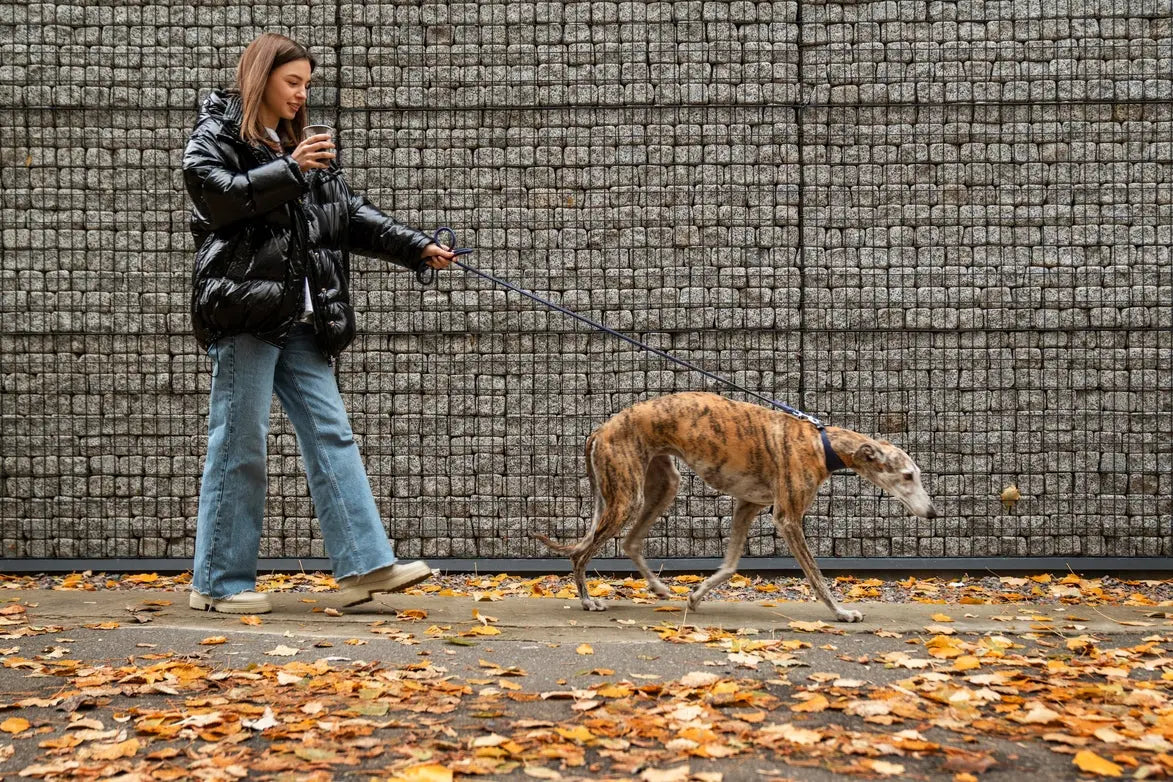
Everyday Prevention Tips for Better Urinary Health
Small daily habits can protect your dog’s kidneys and bladder through every life stage.
· Keep Fresh Water Available
Encourage drinking by placing multiple water bowls around the home. Some dogs drink more when using a pet fountain.
· Maintain Regular Bathroom Breaks
Dogs that hold urine for long periods face higher risks of infection and irritation. Provide consistent outdoor breaks throughout the day.
· Support a Healthy Weight
Extra weight adds stress to the whole body, including the urinary system. Regular exercise and mindful feeding make a clear difference.
· Add Gentle Movement
Steady, consistent activity improves circulation and hydration. Walks, light play, and low-impact exercise help urinary function.
· Use Proactive Vet Care
Annual wellness exams give your vet a chance to detect subtle kidney or bladder changes early. Dogs with chronic issues may need testing every few months.
Natural Support Options and Supplements
Many pet parents explore natural options to support urinary comfort. While these cannot replace veterinary treatment, they can be helpful add-ons.
· Cranberry
Cranberries can help stop bacteria from sticking to the lining of the urinary tract. This reduces the chances of infection returning.
· D Mannose
This natural sugar is often used to promote urinary comfort in dogs that struggle with mild irritation.
· Probiotics
A balanced gut helps the immune system respond better to infection. Probiotics can support both digestion and urinary health.
· Omega Fatty Acids
Omega-3 supplements help reduce inflammation and support kidney comfort.
Treatment Options for Diagnosed Kidney or Bladder Conditions
Veterinary treatment depends on what the tests reveal. Once a veterinarian has reviewed bloodwork, a urinalysis, imaging, or culture results, they can build a plan that often includes the following.
· Medications
Antibiotics treat bacterial infections and are commonly supplied by respected veterinary manufacturers such as Dechra, Elanco, and Virbac. For kidney-related nausea, appetite loss, or inflammation, additional medications may be given to help dogs feel more comfortable.
· Prescription Diets
Therapeutic diets play a major role in managing kidney disease and urinary stone conditions. Hill’s Prescription Diet k/d supports kidney function by delivering controlled protein and balanced minerals. For dogs with bladder stones or crystal problems, Hill’s Prescription Diet c/d helps create a healthier urinary environment and may even dissolve certain types of stones.
· Fluid Therapy
Dogs with kidney disease or severe dehydration may need fluid therapy in the clinic or at home. This helps flush toxins and improve hydration.
· Surgery
Bladder stones sometimes require surgical removal, especially when they cause blockages or discomfort.
· Long-term Management
Chronic kidney disease usually needs ongoing monitoring. Regular lab work helps track how well the kidneys are functioning and allows the vet to adjust treatment. Long-term support may include prescription diets, medications from brands like Elanco or Dechra, and supplements that help maintain comfort.
With consistent care, many dogs maintain a good quality of life for years after a diagnosis.
When You Should Seek Immediate Veterinary Care
Some urinary problems become dangerous within hours. Contact your veterinarian or an emergency clinic right away if you notice any of the following:
· Your dog cannot urinate
· Your dog is crying or straining with no results
· There is a sudden stream of blood in the urine
· Your dog refuses all food and water
· Vomiting continues throughout the day
· Your dog collapses, is severely weak, or shows signs of intense pain
A blocked urinary tract is a life-threatening emergency. Fast care can save a dog's life.
Closing Thoughts
Your dog relies on you to protect their health, comfort, and daily happiness. Paying attention to kidney and bladder wellness is one of the best ways to keep them thriving. Simple habits like fresh water, consistent bathroom breaks, and annual vet visits lay a strong foundation. When a medical issue does arise, early action gives your veterinarian a chance to choose the best treatments, which may include trusted products from Hill’s Prescription Diet, Elanco, PRN Pharmacal, Virbac, and Dechra.
With the right care, many dogs stay active, affectionate, and full of life even while managing chronic urinary conditions. A little awareness today can make a meaningful difference in your dog’s future well-being.
Frequently Asked Questions
Q1. How can I tell if my dog is having kidney or bladder problems?
Ans: Early signs often show up as changes in daily habits. Drinking more water, needing to urinate more often, straining to pee, accidents indoors, low energy, vomiting, or a drop in appetite can all point to kidney or bladder issues. If you notice any of these changes, it is best to contact your veterinarian.
Q2. Are kidney problems common in older dogs?
Ans: Yes, kidney disease is more common in senior dogs, especially chronic kidney disease, which develops slowly over time. Regular wellness exams and early lab testing help catch kidney changes before symptoms become severe.
Q3. Can my dog’s diet affect their urinary health?
Ans: Diet plays a major role in kidney and bladder health. Moisture-rich food supports hydration, while balanced minerals help prevent crystals and stones. Dogs with kidney or urinary conditions often benefit from vet-recommended therapeutic diets designed to reduce strain on these organs.
Q4. When is a urinary problem considered an emergency?
Ans: A urinary issue becomes an emergency if your dog cannot urinate, strains without producing urine, cries in pain, collapses, or has a sudden, large amount of blood in the urine. These signs require immediate veterinary care.
Q5. Do supplements really help support kidney and bladder health?
Ans: Some supplements can be helpful when used alongside veterinary care. Options like cranberry, probiotics, omega fatty acids, and D-mannose may support urinary comfort and overall wellness, but they should never replace proper diagnosis or prescribed treatment.
Q6. Can dogs live a good life with kidney disease?
Ans: Many dogs with kidney disease live comfortable and happy lives for years with the right care. Prescription diets, medications, regular monitoring, and supportive home routines all play an important role in maintaining quality of life.
Related Articles


Recent Articles