PetArmor Plus Flea and Tick Treatment for Dogs is a budget-friendly monthly topical that uses fipronil and (S)-methoprene, the same active ingredients found in Frontline Plus. It starts working within about 12 hours and provides protection for up to 30 days, making it a practical option for routine flea and tick prevention when you want solid coverage at a lower price. It is waterproof and easy to apply, though some dogs may have mild residue after application and performance can vary depending on coat type and flea pressure.
Pros: Kills adult fleas, larvae, eggs, and ticks, waterproof and widely available, easy to apply.
Cons: Slight residue post-use, may not perform equally on all breeds.
Best for: Cost-effective monthly flea control.
PetArmor Plus Flea and Tick Treatment for Dogs
Budget-friendly monthly topical with the same active ingredients as Frontline Plus.
Type: Topical
Active Ingredients: Fipronil, (S)-methoprene
Speed and Duration: Works in 12 hours, lasts 30 days.
Best for: Cost-effective monthly flea control
Value tip: If you want Frontline-style actives at a lower cost, this is a practical monthly option for routine prevention.
9. Natural Flea Collar Alternatives, Mild, Non-Toxic Repellents
TevraPet Vetality Naturals Flea and Tick Collar for Dogs is an essential-oil-based collar designed for gentle, everyday repellency, which can be a good fit for dogs that are sensitive to stronger chemical flea and tick options. With common ingredients like citronella, eucalyptus, and lavender, it provides immediate repelling action and typically lasts 1 to 2 months, so it usually needs replacement more often than medicated collars. It is best used for maintenance and prevention, not as a standalone solution for an active infestation.
Pros: Chemical-free, safe for sensitive dogs, pleasant natural scent.
Cons: Not strong enough for active infestations, must be replaced more often than standard collars.
Best for: Maintenance and prevention in naturally sensitive dogs.
TevraPet Vetality Naturals Flea and Tick Collar for Dogs
Essential-oil-based collar for gentle, everyday flea and tick repelling.
Type: Collar (essential-oil-based)
Common Ingredients: Citronella, Eucalyptus, Lavender
Speed and Duration: Repels immediately, lasts 1 to 2 months.
Best for: Maintenance and prevention in naturally sensitive dogs
Practical note: Pair with home cleaning and a stronger flea control plan if you are dealing with an active infestation.
Most of these top-rated treatments are available at HardyPaw.com, where quality, safety, and value go hand in hand.
How Do You Choose the Right Flea Medicine for Your Dog?
With so many flea products on the market, picking the right one for your pup can feel overwhelming. Here’s a clear checklist to help you make the smartest choice, based on your dog’s specific needs and lifestyle.
-
Your Dog’s Size and Weight: Most flea medications are dosed based on weight. Giving a small dog a large-breed treatment can cause serious side effects, so always read the label.
-
Age and Health Status: Puppies, pregnant dogs, or senior pets may need specially formulated treatments. For example, Capstar is safe for puppies over 4 weeks and 2 lbs, but some topicals are not.
-
Type of Infestation: Is it a light seasonal issue or a heavy, recurring problem? Capstar offers instant kill for emergencies, while Seresto collars offer extended protection for chronic cases.
-
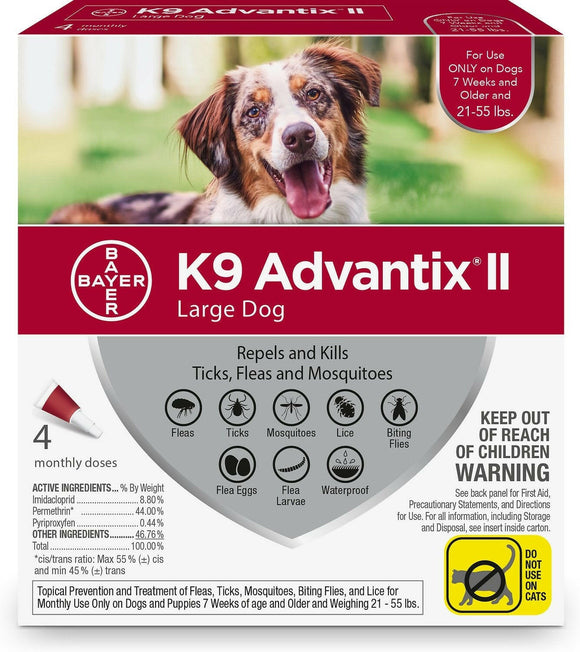
Lifestyle & Environment: Active dogs that spend time outdoors may benefit from multi-threat options like K9 Advantix II or Advecta 3, which repel mosquitoes and ticks too.
-
Household Composition: If you have cats, avoid treatments with permethrin (like Advantix or Advecta 3), which is highly toxic to felines.
-
Application Preference: Choose oral tablets like Capstar for no-mess use, topicals for monthly ease, or collars for set-it-and-forget-it convenience.
How to Use Flea Medicine Safely Without a Prescription
Over-the-counter doesn’t mean risk-free.
While OTC flea medicines are widely available and effective, they must be used responsibly to protect your dog’s health. Here's how to do it right:
-
Always read and follow the label.
Each product has specific usage instructions based on your dog’s size, age, and health. Never guess the dose, follow the label exactly.
-
Use the correct product for your dog’s weight and age.
Giving a large-dog product to a small pup, or vice versa, can lead to dangerous side effects. Puppies, senior dogs, and those with health conditions may need vet-approved alternatives.
-
Avoid mixing flea products.
Don’t use multiple treatments (e.g., a topical and a collar) unless your vet specifically recommends it. Too much exposure to active ingredients can be harmful.
-
Monitor your pet for side effects.
Watch for signs like excessive drooling, vomiting, shaking, or skin irritation after applying or giving flea medication. If any symptoms appear, contact your vet immediately.
-
Keep other pets in mind.
Some dog flea products, especially those with permethrin, are toxic to cats. Make sure cats don’t come into contact with treated dogs until the product has fully dried.
-
Store treatments safely.
Keep flea medications out of reach of pets and children, and store them in a cool, dry place as directed on the packaging.
-
Stay consistent.
Apply or administer flea treatments on schedule, whether that’s daily, monthly, or seasonally. Skipping doses can leave your pet vulnerable to reinfestation.
Used properly, OTC flea medicine is both safe and effective. Up next: how to support your flea treatment with proactive care.
How Can You Improve Flea Control Beyond Just Medication?
Treating your dog is only part of the solution.
To fully eliminate fleas, and prevent them from coming back, you’ll need to tackle your pet’s entire environment. Here are some proven tips that work alongside flea medications:
-
Groom your dog regularly: Frequent brushing helps you spot fleas early and remove dead skin, eggs, and flea dirt. Use a flea comb to target problem areas like the neck, back, and tail base.
-
Bathe your pet when needed: Flea shampoos can provide quick knockdown, especially during the initial infestation. Even regular bathing with a mild dog shampoo helps keep fleas at bay.
-
Clean your home thoroughly: Vacuum carpets, rugs, and furniture often, especially in areas where your dog rests. Wash pet bedding in hot water at least once a week to destroy flea eggs and larvae.
-
Treat your home and yard: Use flea and tick yard spray, powders, or foggers for indoor areas to minimise the chance of your dog catching pests from the environment. (follow label directions closely). Outdoors, keep the lawn trimmed and eliminate debris piles where fleas thrive.
-
Use flea preventatives year-round: Many people think fleas are only a summer issue, but indoor heating can keep them active all year. Maintain your flea medication schedule, even in winter months.
-
Limit exposure to untreated pets: Fleas can hitch a ride from other animals. Avoid letting your dog play with pets that aren’t on a flea prevention plan.
By combining OTC flea medicine with consistent home care, you dramatically reduce the chance of reinfestation, and keep your dog comfortable and protected.
Are Over-the-Counter Flea Medicines Safe for Dogs?
Yes, most OTC flea treatments are generally safe when used correctly. But like any medication, they can cause side effects, especially if the dosage is incorrect or if your dog has sensitivities.
Common Side Effects
-
Topical Treatments: Skin irritation, redness at the application site, or temporary hair loss.
-
Oral Medications: Vomiting, diarrhea, or decreased appetite.
-
Flea Collars: Mild itchiness or discomfort around the neck.
Always follow the weight and age guidelines listed on the packaging. For instance, many topicals are not safe for puppies under 8 weeks.
Special Precautions
-
Never use cat flea products on dogs or vice versa. Ingredients like permethrin are deadly to cats.
-
Avoid mixing treatments unless directed by a vet. For example, combining a spot-on with a flea collar could lead to overdosing.
-
Monitor after first use: Watch for unusual behavior like excessive scratching, lethargy, or vomiting.
When Should You See a Vet Even If Using OTC Flea Products?
Sometimes, OTC treatments aren’t enough.
While over-the-counter flea medicines are great for prevention and mild infestations, there are situations where professional veterinary care is essential.
-
Severe infestations that don’t improve.
If fleas keep coming back after several rounds of treatment, it may signal a resistant strain or a hidden environmental source. A vet can prescribe stronger or combination treatments to break the cycle.
-
Signs of allergic reactions or side effects.
Watch for symptoms like excessive drooling, vomiting, skin irritation, or behavior changes. These may indicate a reaction to the medication that needs immediate attention.
-
Flea-borne illnesses or secondary infections.
Fleas can transmit tapeworms and cause infections through constant scratching. If your dog is losing fur, developing scabs, or seems lethargic, don’t wait; see a vet.
-
High-risk pets (puppies, seniors, pregnant dogs, or chronically ill dogs).
These groups may not tolerate OTC treatments well and often require customized, lower-dose, or prescription solutions to stay safe.
-
You’re unsure what product to choose.
If you're overwhelmed by choices or unsure what's safe for your dog's specific needs, a quick consult can save time, money, and stress.
Remember: OTC flea medicine is an excellent tool, but your vet remains your best resource for complex cases or health-sensitive pets.
Final Thoughts on Choosing Flea Medicines Without a Vet Prescription
Fleas are more than just a nuisance, they’re a serious health risk for your dog and a persistent headache for pet owners. Thankfully, over-the-counter flea medicines give you the power to fight back without needing a vet prescription. Whether you choose a monthly topical, a fast-acting oral pill, or a long-lasting collar, there are effective and affordable options to fit every lifestyle.
That said, the key to success lies in more than just picking the right product. It’s about using it correctly, staying consistent, and combining treatment with smart home hygiene practices. From grooming and cleaning to yard care and year-round prevention, every step counts in keeping fleas away for good.
And remember, while OTC solutions are powerful, your vet is always a call away if things get out of hand or your dog has special health needs.
With the right strategy and a little help, your dog can stay happy, healthy, and flea-free all year long.
OTC Flea Medicine for Dogs FAQs
Can I use flea medicine for dogs on puppies under 8 weeks old?
No, most OTC flea medicines are not safe for puppies under 8 weeks. Always check the age requirement on the label or ask a vet before applying any treatment to very young dogs to avoid toxicity or adverse reactions.
What should I do if my dog licks the flea treatment?
If your dog licks a topical flea product, monitor for drooling, vomiting, or lethargy. Most contain bitter agents to deter licking, but ingestion could cause side effects. Contact your vet for guidance based on the product used.
How long after applying flea medicine can I bathe my dog?
Most topical flea treatments require a 24–48 hour wait before bathing to ensure absorption. Bathing too soon may reduce the product’s effectiveness. Refer to the specific product’s instructions for the exact wait time.
Can I use OTC flea treatments year-round?
Yes, year-round flea prevention is recommended, especially in warmer climates or homes with central heating. Fleas can survive indoors even during winter, so continuous protection helps prevent reinfestation.
What if my dog has fleas but no itching?
Fleas don’t always cause visible discomfort. Some dogs are less sensitive, but infestations can still lead to anemia or disease. If you spot fleas or flea dirt, treat immediately, even without itching signs. Regular checks are key.
What is the best OTC flea medicine for dogs?
The “best” depends on your goal: rapid relief, monthly prevention, or long-term convenience. For fast knockdown, an oral like nitenpyram can start working within 30 minutes, but it does not provide lasting protection. For ongoing control, monthly topicals or long-duration collars are usually better fits for prevention.
What OTC flea treatment works the fastest?
Fastest is typically an oral nitenpyram tablet, which begins working within about 30 minutes and can achieve high adult flea kill within hours. It is best used as a “get fleas off the dog now” step, then followed by a longer-lasting preventative.
Does Capstar kill flea eggs and larvae?
Nitenpyram products like Capstar are designed to kill adult fleas, not the entire lifecycle. Because fleas have multiple stages (egg, larva, pupa, adult), you usually need a longer-term product plus environmental cleanup to fully stop reinfestation.
What age can puppies use OTC flea medicine?
This depends on the product. For example, nitenpyram labeling commonly allows use in puppies 4 weeks and older and at least 2 pounds. Many topicals have different minimum ages, so always verify the label for that exact SKU and weight range.
Should I choose a collar, topical, or oral flea medicine?
Pick based on lifestyle and compliance. Collars are a set-and-forget option for long-duration coverage, topicals are common monthly preventatives, and orals are often best for fast knockdown or monthly dosing, depending on the active ingredient. If your dog swims often, confirm water exposure guidance on the label for whichever form you choose.
Can fleas really infest my home, even if I treat my dog?
Yes. Adult fleas live on pets, but eggs, larvae, and pupae can be in carpets, bedding, and floor cracks, so treating only the dog can miss most of the population. A full plan usually includes pet treatment plus cleaning and environmental control.
Why do fleas keep coming back after I treat my dog?
Reinfestation is common because pupae can be difficult to eliminate and may emerge later, and because eggs and larvae develop off-pet. CAPC also notes that once infestations are established, control may take months and every pet in the home should be treated.
Do I need year-round flea prevention?
Many authorities recommend year-round prevention because fleas can persist indoors and survive outside whenever conditions allow. If your region has mild winters or your home stays warm, continuous prevention can reduce the chance of recurring outbreaks.
Is it safe to use OTC flea medicine if I have cats at home?
Be careful. Some dog-only products contain ingredients that are dangerous to cats, and cats can be exposed by grooming a treated dog or rubbing against the application site. If your household has cats, choose cat-safe options and follow strict separation guidance until the product is fully dry, per label instructions.
Can I combine two flea treatments for “extra protection”?
Avoid stacking treatments unless a veterinarian explicitly recommends a specific combination and timing. Overexposure can increase the risk of side effects, and it often does not solve the real issue, which is typically incomplete environmental control. When in doubt, use one primary preventative and add home measures like vacuuming and washing bedding.
What are the most important home steps to stop reinfestation?
Vacuum frequently, wash pet bedding in hot water, and treat resting areas, since many life stages are in the environment, not on the pet. Consistency matters because new adults can continue emerging over time.
When should I see a vet, even if I am using OTC products?
See a vet if your dog has severe skin irritation, signs of infection, persistent flea problems after multiple properly timed treatments, or if your dog is very young, small, pregnant, or medically fragile. CAPC notes established infestations may take months to control, and a vet can help select a stronger plan or rule out other causes

![Best OTC Flea Medicines for Dogs 2026 [No Vet Prescription Needed]](http://hardypaw.com/cdn/shop/articles/Best_OTC_Flea_Medicines_for_Dogs_71ce52ef-9a3c-466f-9d92-6b318e6bca1a.png?v=1773035672&width=1180)




Comments (1)
This was the best site with everything I needed to know! Thank you sooooo much for your kind help@