

Cat Skin Conditions and Coat Care: Signs, Causes, and Solutions
Manan Chawla 5 min read

Your cat’s coat and skin can tell you a lot about how healthy they are. A healthy coat is shiny, soft, and smooth. If you notice your cat scratching more than usual or their once-shiny coat looking dull and patchy, it may be a sign of a health issue. It is worrying because cat skin conditions are often a direct reflection of their overall well-being. The good news is that most issues have clear signs, manageable causes, and practical solutions that can bring your cat relief and restore that soft, glossy coat you love.
Common Signs of Skin and Coat Problems
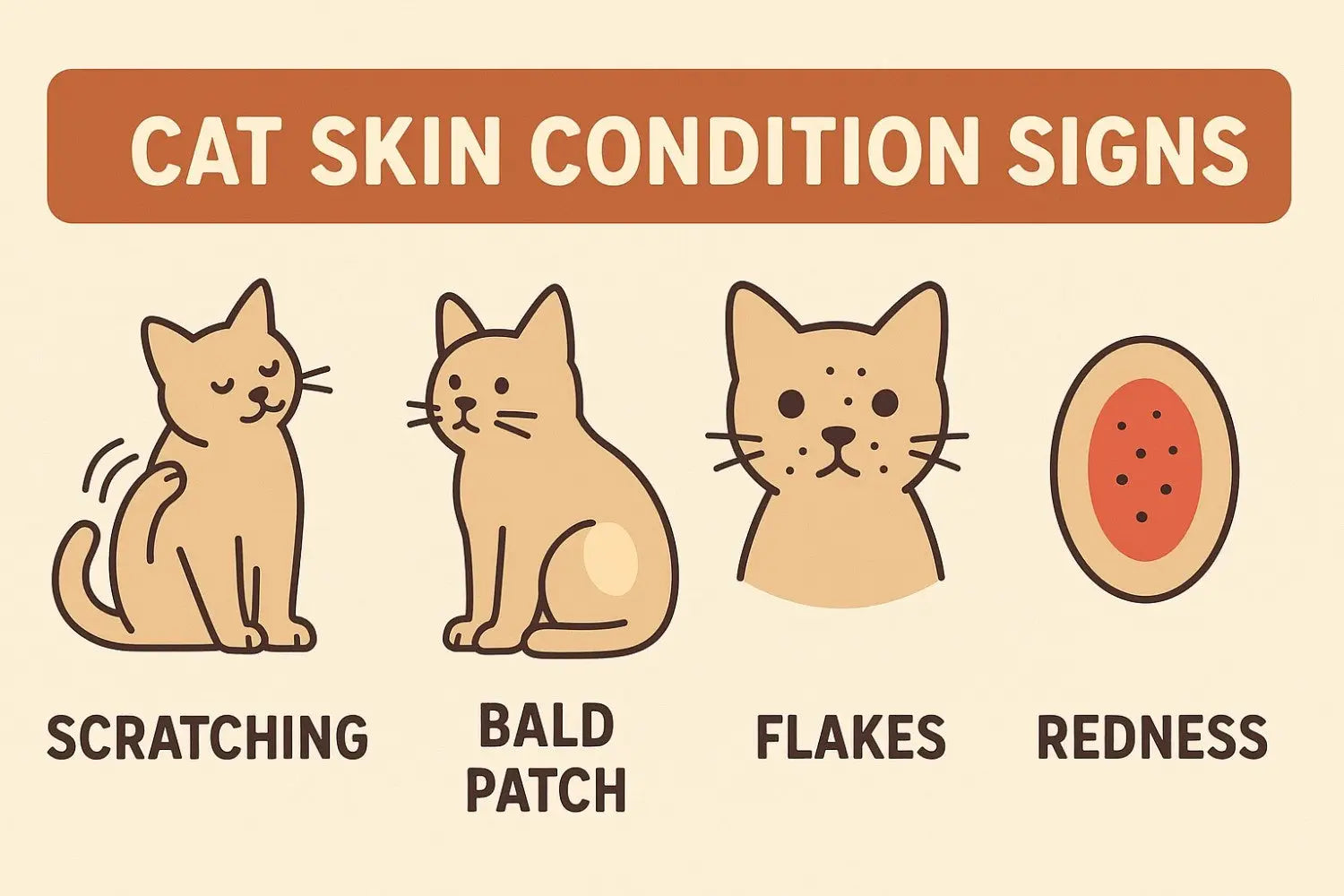
Recognizing symptoms early helps you act before things get worse. Look out for:
-
Constant scratching, licking, or chewing at the skin
-
Bald patches or thinning fur
-
Redness, bumps, or scabs
-
Dull, dry, or greasy coat
-
Flakes or dandruff on the fur
If you notice more than one of these, your cat might be dealing with an underlying condition that needs attention.
Why Cats Develop Skin Issues
There is no single cause. Here are the most common ones:
-
Parasites: Fleas, ticks, and mites are tiny but cause big discomfort.
-
Allergies: Cats can react to food, pollen, dust, or even certain fabrics. For some pets, finding the best cat food for skin allergy best food makes all the difference.
-
Infections: Bacterial or fungal infections, like ringworm, often show up as red patches or scaly spots.
-
Underlying Conditions: Hormonal imbalances or immune issues can impact coat quality.
-
Environmental Stress: Dry indoor air, poor grooming, or stress can trigger flare-ups.
Skin Conditions Every Cat Parent Should Know
Understanding what might be behind the signs gives you a head start. Here are several specific cat skin conditions that often underlie:
-
Flea Allergy Dermatitis: Extreme itching from flea bites, even if you don’t see fleas.
-
Ringworm: Fungal infection causing circular bald patches with scaly skin.
-
Mange: Caused by mites, leading to intense itching and crusty sores.
-
Allergic Dermatitis: Itchy red skin from environmental or food allergens.
-
Feline Acne: Blackheads and pimples, usually around the chin.
-
Seborrhea: Greasy or flaky skin that makes the coat look unkempt.

At-Home Care for Skin and Coat Health
Simple changes in routine can make a big difference.
-
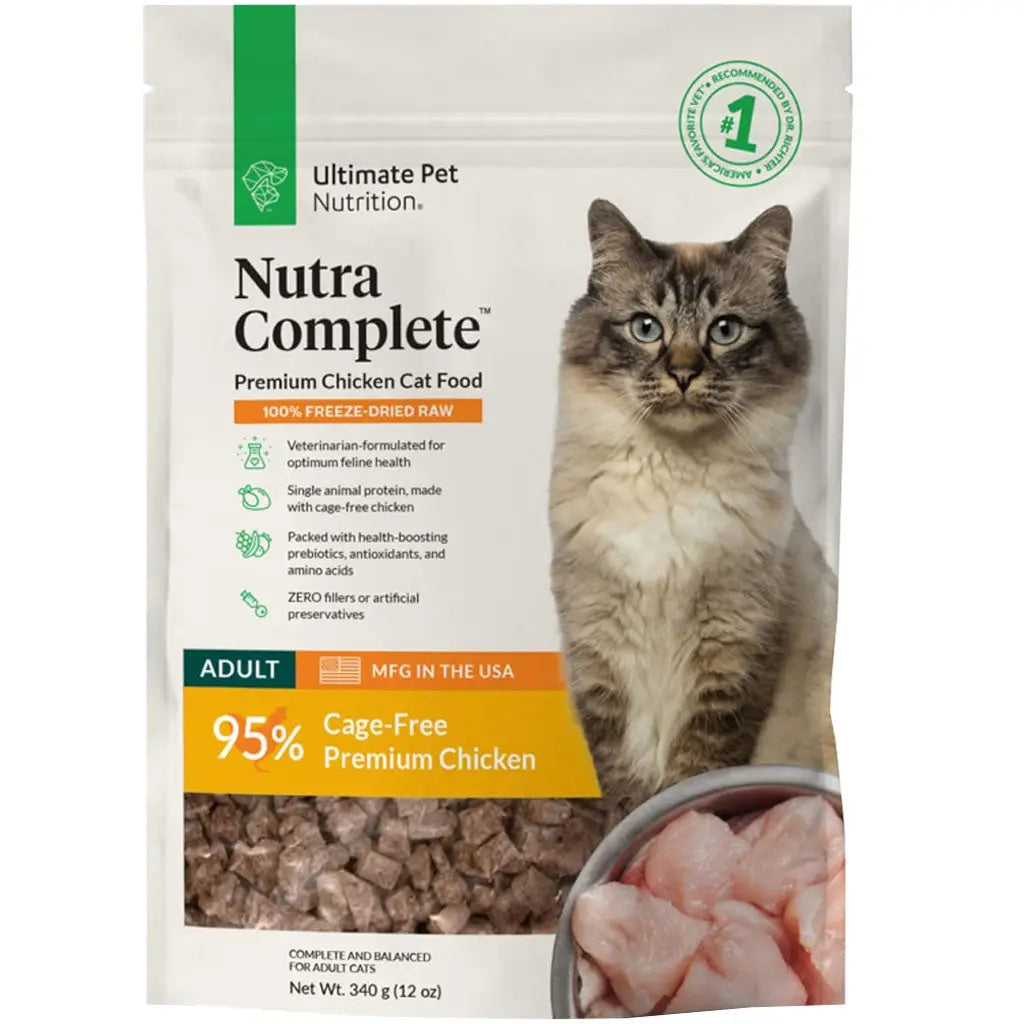
Nutrition First: A balanced diet rich in omega-3 fatty acids, quality protein, and vitamins supports healthy skin and fur. For cats with food sensitivities, choosing the best cat food for skin allergies or identifying the right cat food for skin allergy best food can make a dramatic improvement.
-
Grooming: Regular brushing removes loose fur, prevents mats, and spreads natural oils for a shinier coat.
-
Bathing: Not always necessary, but occasional baths with a gentle cat shampoo for dry skin can soothe irritation and control dandruff. For many owners, this acts as a simple cat dry skin remedy at home.
-
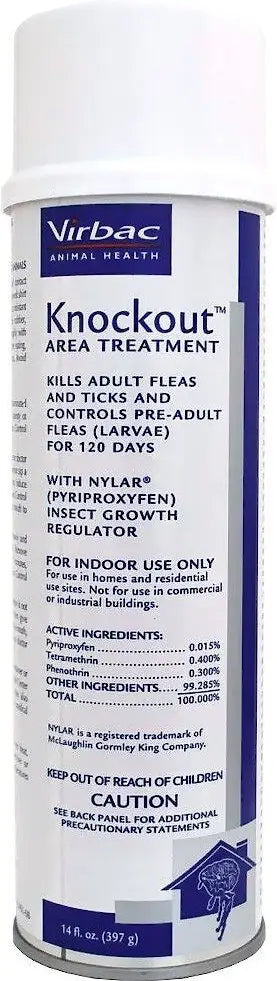
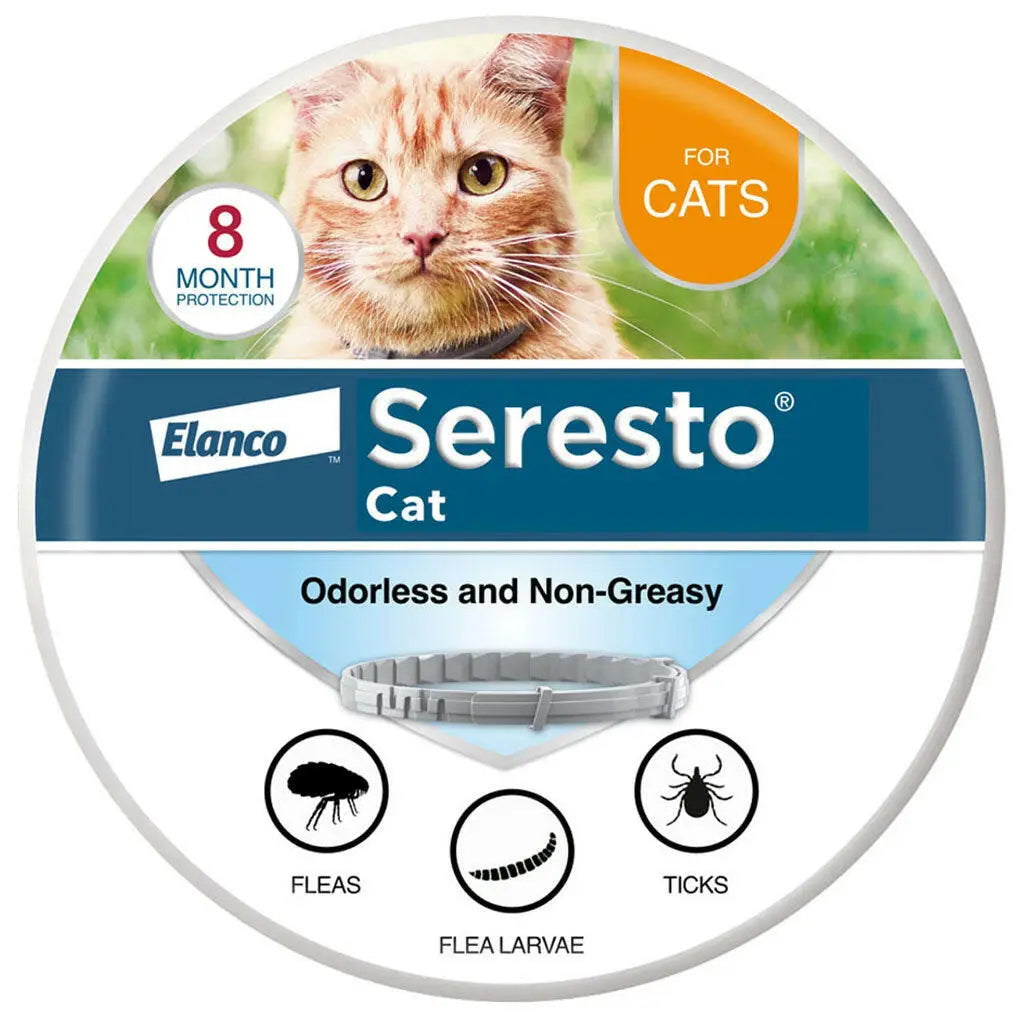
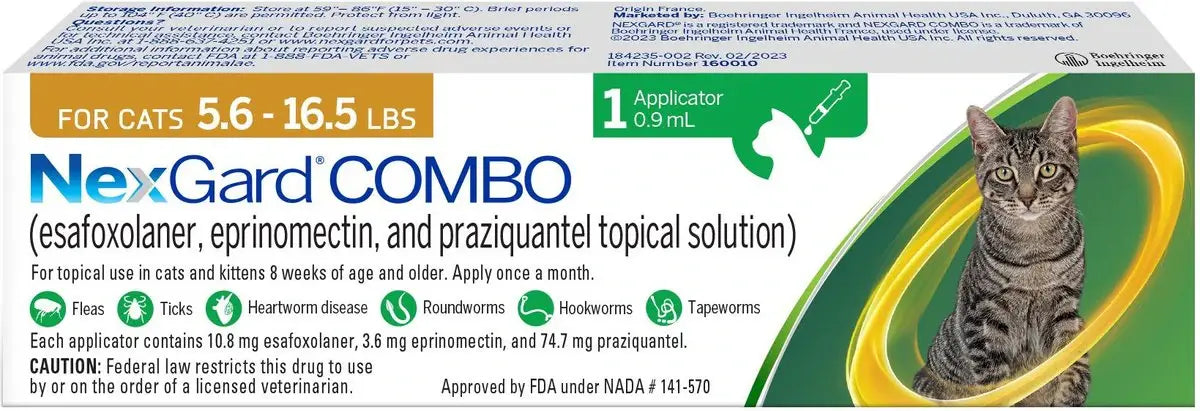
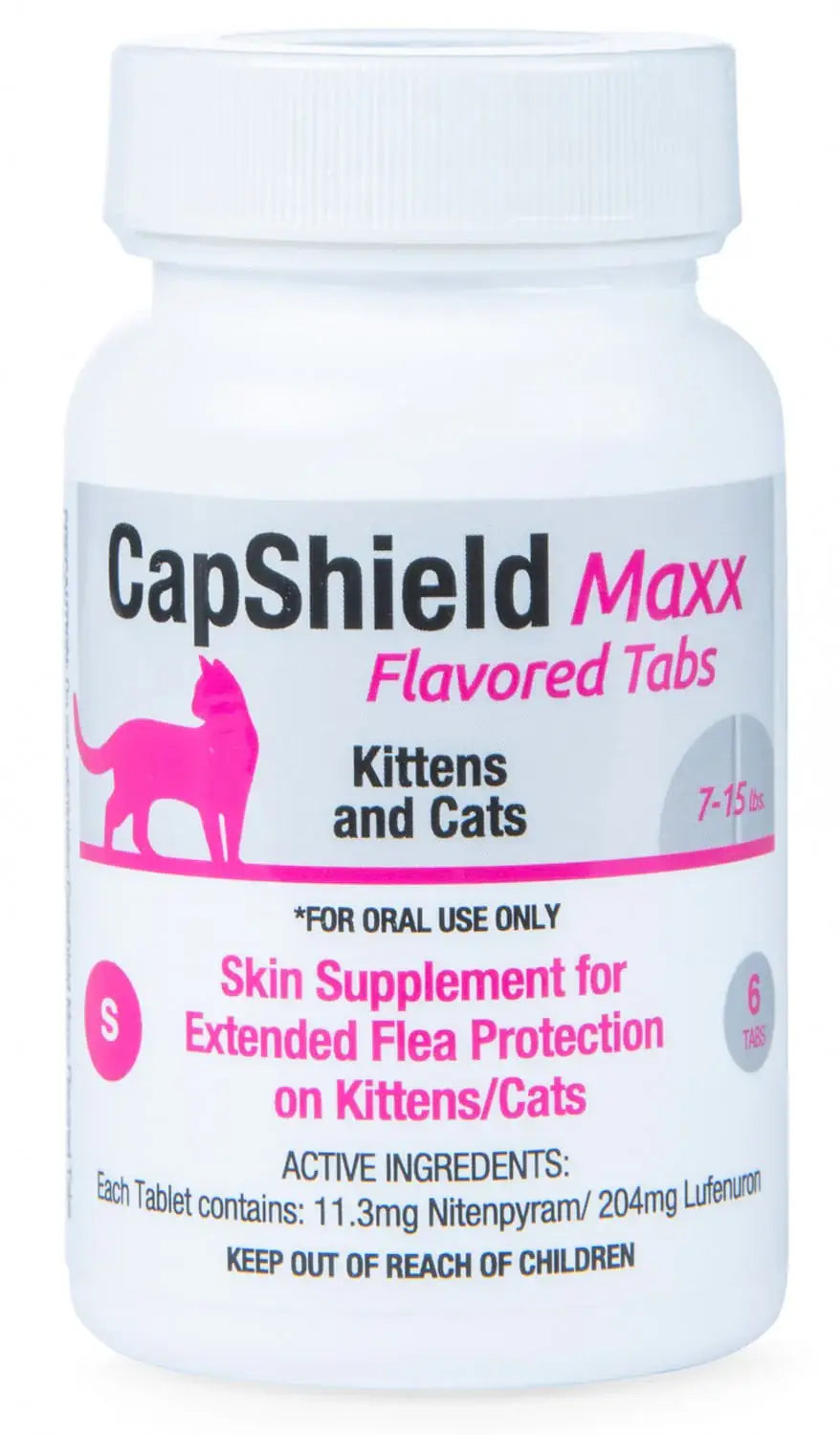
Parasite Control: Monthly treatments prevent fleas and ticks from becoming a recurring nightmare.
When It’s Time to Call the Vet
While home care is helpful, some cases require professional care. Reach out to a veterinarian if you notice:
-
Persistent scratching or open sores
-
Rapid or severe hair loss
-
Infections that spread quickly
-
Behavioral changes like hiding or irritability
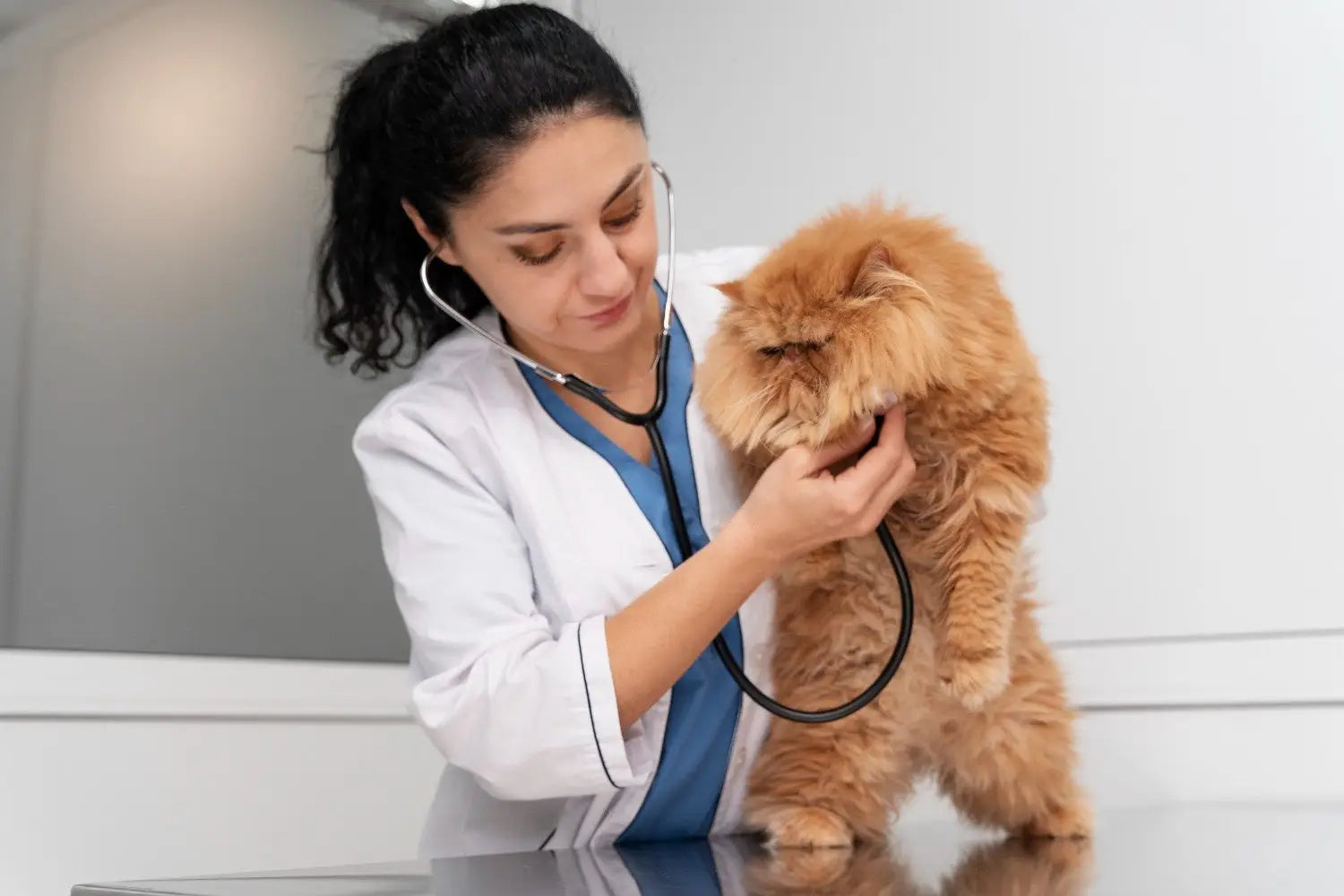
Your vet can run tests, identify the exact cause, and prescribe the right treatment.
Cats are masters of the poker face when it comes to pain. They’ll mask aches and twinges so well that we often don’t realize something’s wrong until it’s already advanced. Think of yourself as your cat’s personal detective, tuning into the tiny clues they leave behind in their behavior, and learn about the most easily overlooked health warning signs in cats to recognize when to pick up the phone and book that vet appointment.
Treatment and Solutions
Depending on the diagnosis, solutions may include:
-
Topical Treatments: Medicated shampoos, creams, or sprays. Some cats respond very well to a soothing cat shampoo for dry skin or a targeted cat dry skin remedy if dryness is the main issue.
-
Prescription Medications: Antibiotics or antifungals if infections are present.
-
Parasite Prevention: Spot-on treatments or oral preventatives.
-
Allergy Management: Special diets like cat food, skin allergy best food, or the best cat food for skin allergies, are designed to reduce flare-ups caused by food sensitivities.
-
Supplements: Omega oils or probiotics to improve skin resilience.
Preventive Tips for Long-Term Skin and Coat Health
Keeping your cat’s skin and coat healthy is easier than fixing problems later.
-
Provide a balanced, high-quality diet, often the best cat food for skin allergies for sensitive cats
-
Stick to a regular grooming schedule and consider a cat shampoo for dry skin for occasional baths
-
Keep up with monthly parasite prevention
-
Reduce stress in the home environment
-
Schedule annual vet check-ups
Final Thoughts
Skin conditions can make your cat uncomfortable and stressed, but with the right knowledge and care, you can quickly turn things around. By spotting the signs early, addressing the causes, and using trusted solutions, your cat’s coat can return to being soft, shiny, and full of life.
Skin conditions can make your cat uncomfortable and stressed, but with the right knowledge and care, you can quickly turn things around. By spotting the signs early, addressing the causes, and using trusted solutions, your cat’s coat can return to being soft, shiny, and full of life. For related insights, see our guide on why topical flea treatments sometimes fail (and how to fix it).
Frequently Asked Questions
Q1: What are common signs of skin problems in cats?
Ans: Look for frequent scratching, hair loss, dandruff, redness, or scabs. A dull or greasy coat can also mean skin issues. Regular grooming and Vet-recommended flea treatments help keep your cat’s skin healthy.
Q2: What causes cats to have dry or flaky skin?
Ans: Dry or flaky skin in cats can be caused by parasites, allergies, or poor diet. Using omega-rich food and cat shampoo for dry skin can help restore moisture and improve coat shine.
Q3: How can I treat my cat’s itchy skin at home?
Ans: Start with regular brushing, a healthy diet, and parasite control. Try soothing shampoos and omega-3 supplements. If your cat keeps itching or has sores, see a vet.
Q4: What food is best for cats with skin allergies?
Ans: Choose hypoallergenic cat food that is rich in omega fatty acids and easy to digest. They can help reduce itching and keep your cat’s coat shiny.
Q5: When should I take my cat to the vet for skin problems?
Ans: Take your cat to the vet if you notice constant scratching, open sores, or sudden hair loss. A vet can find the exact cause and provide the right treatment or medication.
Related Articles


Recent Articles


