

How to Reduce Pet Shedding with a Grooming Routine in 2025
Manan Chawla
Shedding is a common challenge that almost every dog or cat owner faces. While some shedding is normal, it can become worrying when loose fur starts covering your furniture, clothes, and floors.
The solution? A consistent grooming routine can make a big difference for your dog with a thick coat or your cat with short hair. It can help reduce shedding and keep your pet’s skin and coat healthy.
In this blog, we’ll explore what helps with dog shedding, including a simple 7-step grooming routine to promote healthy skin and a shiny coat.
Why Managing Shedding Matters for Your Pet’s Health
When your dog or cat sheds more than usual, it is not just a cleaning hassle. It can signal stress, poor nutrition, allergies, or even skin problems. Regular grooming is one of the best ways to support your pet’s health and comfort. It helps by:
-
Removing loose fur before it builds up, which prevents mats, reduces skin irritation, and makes room for healthier hair growth.
-
Spreading natural oils through the coat, keeping the skin moisturized and the fur shiny and strong.
-
Preventing tangles and mats, which can pull on the skin, cause pain, and hide infections or parasites.
-
Allowing you to spot skin issues or parasites early, so you can treat problems before they become serious.
-
Improving circulation with brushing and gentle massage, which stimulates the skin and supports healthy hair regrowth.
7 Steps to Build a Pet Shedding-Reduction Grooming Routine
Follow these steps to keep your pet’s shedding under control and their coat looking its best:
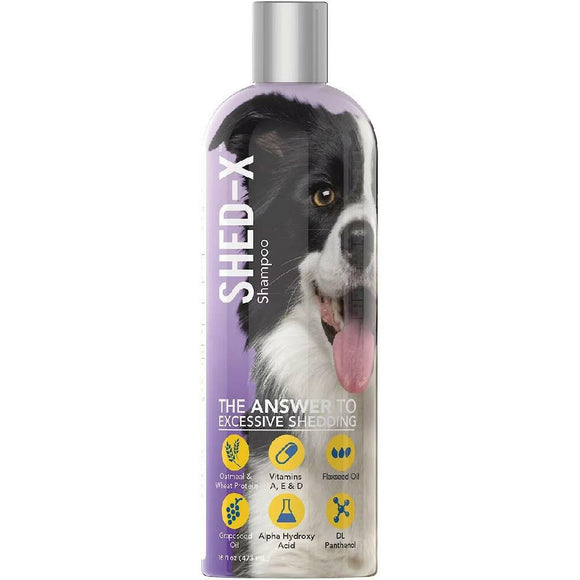
1. Choose the Right Shampoo
Use shampoos designed for pets, especially those formulated to support coat health and reduce shedding.
-
Avoid harsh chemicals or strong fragrances that dry out skin.
-
Don’t over-bathe; too much washing can cause dryness and increase shedding.
-
Bathing every 1-3 months for dogs and every 4-6 weeks for cats is usually ideal.
Note: Most cats rarely need baths. It is recommended to give your cat a bath only when it is dirty and cannot clean itself.
2. Brush Your Pet Regularly
Brushing is the most effective way to control hairfall by removing loose hair before it falls out.
-
Brush long-haired pets daily or several times a week.
-
Brush short-haired pets 1-3 times per week.
-
Use the right brush type for your pet’s coat to prevent breakage and discomfort.

-
Short Hair: Use a bristle brush or grooming glove.
-
Long/Thick Hair: Opt for a slicker or pin brush to prevent mats.
-
Double Coats: Use an undercoat rake or a specialized deshedding tool like the Furminator. It is designed to reach through the topcoat and gently remove loose undercoat hair.
3. Prevent Fleas and Ticks
Parasites irritate and increase shedding by triggering scratching and inflammation.
-
Use vet-approved flea and tick preventatives.
-
Regularly check your pet’s coat, especially around the ears and neck.
4. Keep Ears Clean and Check Paws
Infections or irritation in the ears and paws can cause discomfort and excess shedding.
-
Clean ears gently with safe wipes.
-
Inspect paws for cuts, dryness, or debris regularly.
5. Feed a Balanced Diet and Hydrate
Healthy skin and coat start from within.
-
Provide plenty of fresh water daily.
-
Include Omega-3 fatty acids and other skin-supportive nutrients in their diet.
-
Consult your vet if shedding suddenly worsens or is accompanied by other symptoms.
6. Trim Nails Regularly

Long nails can cause your pet to scratch excessively, which can worsen shedding and irritate the skin.
-
Trim nails at least once a month.
-
Use pet-safe clippers or seek professional help.
7. Maintain a Clean Environment
Reducing pet hair in your home helps keep your pet comfortable and reduces allergens.
-
Wash bedding and toys regularly.
-
Vacuum floors and furniture frequently.
-
Keep resting areas dry and free from dust or mold.
Read more in the ultimate guide to keeping your cat happy as a first-time cat parent.
Manage Your Pet’s Shedding Like a Pro
-
Grooming Date: Note down the last brushing or bath.
-
Shedding Level (1-5): Monitor hair loss and shedding around your home.
-
Coat Condition Notes: Look for dullness, dryness, or mats.
-
Products Used: Record shampoos, conditioners, or supplements used.
-
Pet’s Behavior: Calm, itchy, restless, or playful after grooming.


Consistency is The Key!
By following these simple steps, you’re not just controlling shedding, you’re helping your pet feel healthier and happier with a shiny, smooth coat. Regular grooming strengthens your bond and keeps your home cleaner too!
Know more about how you can keep your dog healthy and happy.
FAQs About Shedding and Grooming
Q1: What causes a dog or a cat to shed?
Ans: Shedding is natural and occurs due to the hair growth cycle. Environmental changes, hormonal fluctuations, poor diet, stress, or underlying health issues can increase shedding. Seasonal shedding is also common in many breeds.
Q2: Can diet affect my pet’s shedding?
Ans: Yes. A diet rich in Omega-3s and balanced nutrients supports skin and coat health, reducing shedding.
Q3. How can I know my dog's shedding is too much/excessive?
Ans: Excessive shedding is when your dog sheds more than usual, with noticeable patches of hair loss, thinning fur, or irritated skin. If the shedding is accompanied by itching, redness, or other signs of discomfort, consult your vet for advice.
Q4. Which is the most effective solution for dog shedding?
Ans: The most effective solution is regular brushing with the right deshedding brush for dogs, a balanced diet, and keeping their skin healthy. Bathing every few months and using a shedding-reducing shampoo can also help.
Q5: For the past 3 days, my retriever has started shedding, what to do?
Ans: If your retriever has suddenly started shedding more, it could be due to seasonal shedding or stress. Regular brushing can help manage it. If the shedding persists or you notice other symptoms, contact your vet to rule out underlying health problems.
Q6: Does a pup shed?
Ans: Yes, puppies do shed, but usually at a slower pace than adult dogs. They typically shed their soft puppy coat as they age, transitioning to adult fur. Regular grooming can help manage the shedding process.
Q7: How to effectively manage dog fur shedding in shedding season?
Ans: During shedding season, increase brushing frequency, use a deshedding tool, and keep your dog's coat healthy with proper nutrition. Frequent vacuuming, washing bedding, and using air purifiers can also help manage the excess fur in your home.



