

Winter Care Guide for Keeping Your Senior Dog Comfortable and Well
Manan Chawla
Winter is a lovely time of year, yet it can be tougher on older dogs. Lower temperatures, slippery surfaces, and reduced daylight often take a bigger toll on senior pets than on their younger companions. As dogs grow older, their bodies change. They lose heat faster, move more slowly, and may struggle with stiff joints or sensitive skin. Research also shows that osteoarthritis and other chronic joint conditions are much more common in older dogs, with joint disease prevalence increasing as dogs age and contributing significantly to reduced mobility and comfort in senior pets.
With some thoughtful preparation and added attention, you can keep your senior dog cozy, secure, and content throughout the winter season.
Key Takeaways
· Senior dogs feel the cold faster because their bodies do not regulate temperature as well
· Warm clothing, soft bedding, and limited outdoor time help protect aging dogs
· Cold weather can dry out paws and noses, leading to cracks and irritation
· Shivering, lifted paws, or a tucked tail are signs your dog is too cold
· Joint care becomes especially important during the winter months
· Regular vet checkups help catch seasonal health risks early
Why Winter Is Harder on Senior Dogs
As dogs age, their metabolism slows down. This makes it harder for them to stay warm, even on days that may not feel extremely cold to us. Muscle loss, slower circulation, and a weaker immune system can all contribute.
Cold weather may also worsen existing health problems, especially arthritis. Achy, stiff joints can restrict movement, leading to reduced activity and increased discomfort if not handled with proper care.
Protect Your Senior Dog’s Paws and Nose
Cold winter air strips moisture from the skin, and snow or ice can be especially harsh on senior dogs whose paw pads have become thinner and less resilient with age. This increases the risk of cracking, soreness, and irritation, while aging also reduces natural moisture in the nose, often leading to dryness and sensitivity during colder months.

Booties for dogs are another helpful layer of protection during winter walks. They help keep paws warm while protecting them from snow, ice, and hard frozen surfaces. Since older dogs may move more slowly and have less steady footing, booties with slip-resistant soles can also reduce the chance of sliding or falling on icy ground.
Prepare Your Senior Dog for Outdoor Time
Even during winter, senior dogs still need to step outside for fresh air and quick bathroom breaks, but the right gear makes a real difference. Because older dogs lose heat faster, a well-fitted insulated fleece for dogs helps keep their body warm during short outings, while booties for dogs protect their paws from cold ground and give them better grip on slippery surfaces.
Outdoor trips should stay short and timed for the warmer parts of the day whenever possible. Watch your dog closely while outside. If they start shivering, slow down, or lift their paws, it is a clear sign they are ready to head back inside and warm up.
Supporting Senior Dogs With Multi-System Ingredients
Winter can affect more than just an older dog’s joints. As temperatures drop, immunity, dental health, and skin and coat condition may also change with age. Because these areas work closely together, some newer supplements include broad-support ingredients such as 1-TDC (tetradecanol), which has been explored for its potential to support joint comfort, oral health, immune balance, and healthy skin and fur. These ingredients are intended to support a well-rounded senior care routine and should never replace guidance from a veterinarian.
4-in-1 Care for Senior Dogs in Winters

✔ Joint Health
✔ Better Immunity
✔ Oral Health
✔ Healthy Skin & Coat
Create a Warm and Comfortable Indoor Space
Once your dog is back inside, creating a warm and supportive resting space becomes especially important. A plush, well-cushioned dog bed placed away from cold drafts helps ease pressure on aging joints, while soft blankets for dogs add an extra layer of warmth and comfort. Making sure your dog can settle down without climbing or jumping also reduces strain on stiff muscles.


During colder months, some senior dogs may go outside less often, so indoor training pads can be a helpful backup to prevent accidents and reduce stress. Since winter often means more time indoors, gentle enrichment matters too. Senior-friendly chew toys and simple puzzle toys provide mental stimulation without putting extra pressure on tired bodies.
Support Joint Health During Cold Months
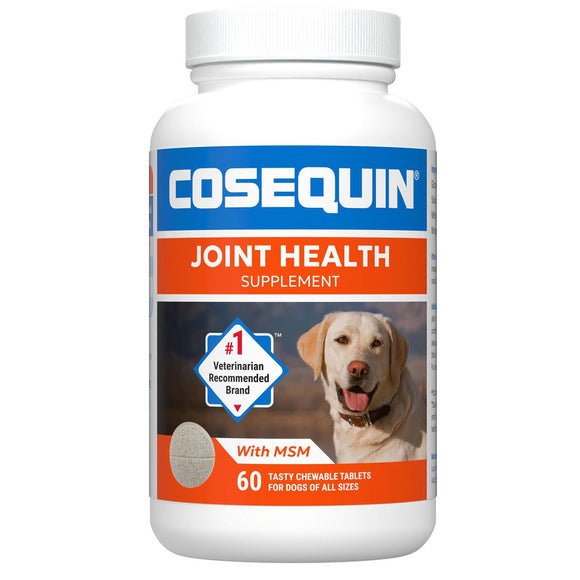
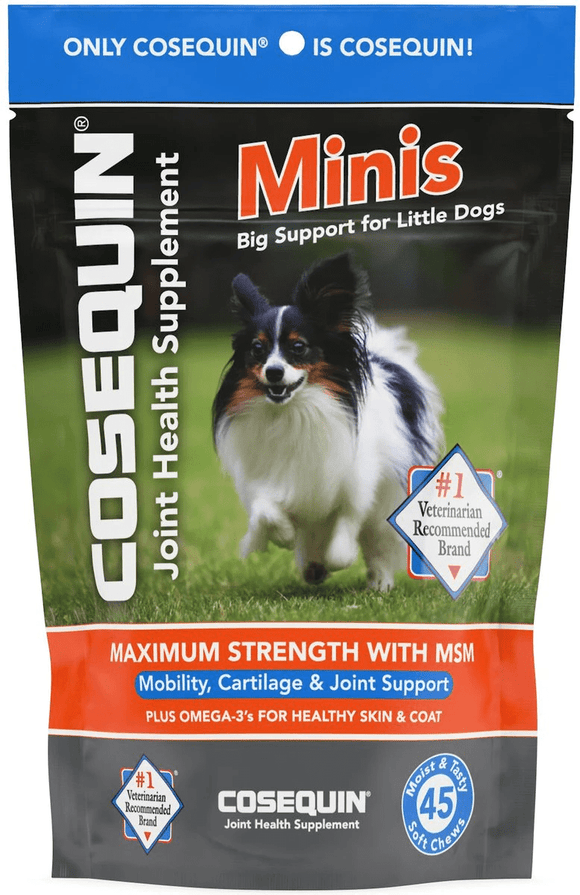
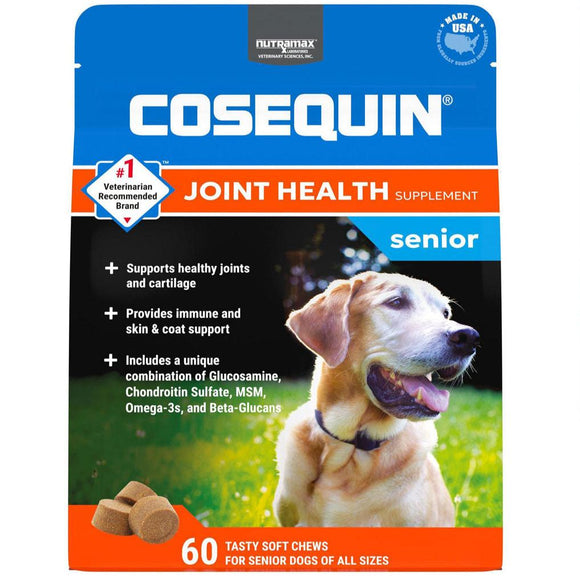
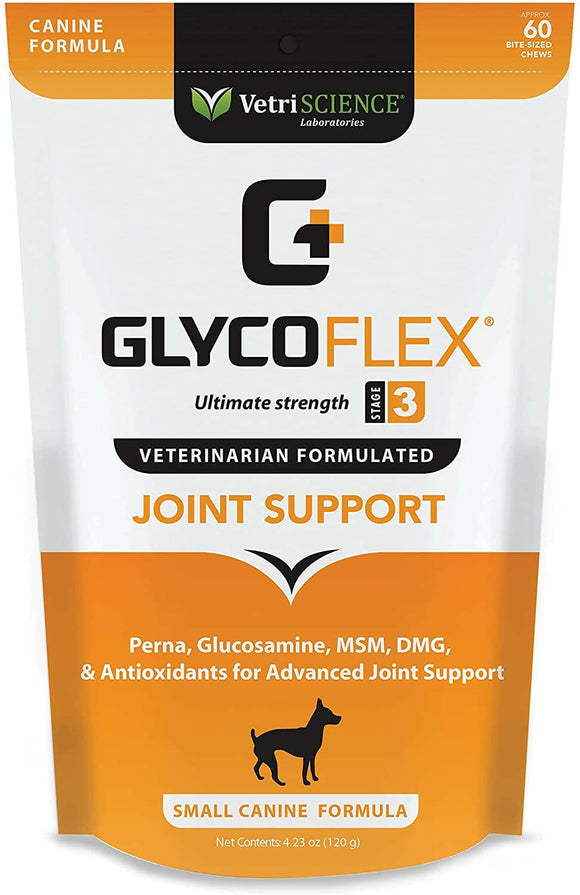
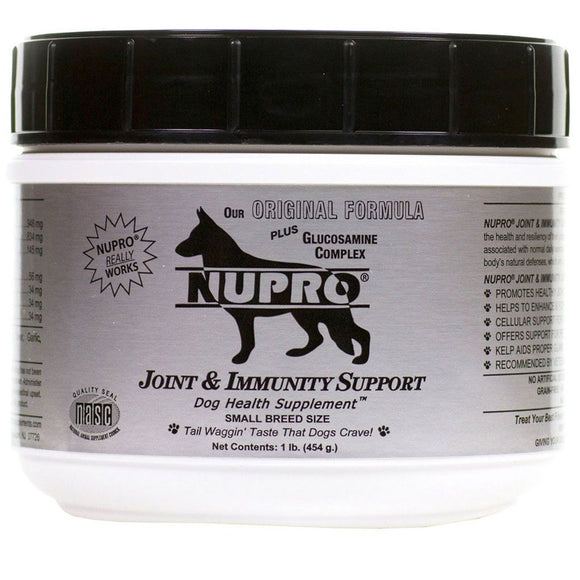
Joint stiffness and arthritis are common in older dogs, and cold weather can make these issues more noticeable. Joint Supplements for dogs are designed for joint health that can help manage seasonal discomfort when used consistently.
You may see signs like:
· Trouble standing up
· Slower movement
· Hesitation on stairs or slippery floors
Joint supplements formulated for senior dogs may help support mobility and overall comfort, but they take time to show results. Many begin working after several weeks of regular use. Always talk with your veterinarian before adding any supplement, so it matches your dog’s health needs and size.
Some dogs benefit from ongoing joint support throughout the year, not just during the winter months.



Schedule a Winter Vet Checkup
Regular veterinary care is especially important for senior dogs.
As dogs age, their immune systems weaken, making them more vulnerable to illness. Winter usually brings more indoor time around other dogs, which can increase the risk of catching illnesses.
A routine checkup helps ensure:
· Vaccinations are current
· Joint or mobility problems are noticed early
· Seasonal issues are addressed before they get worse
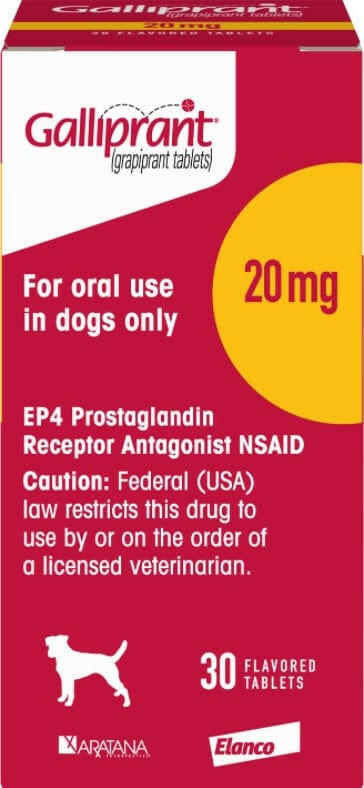
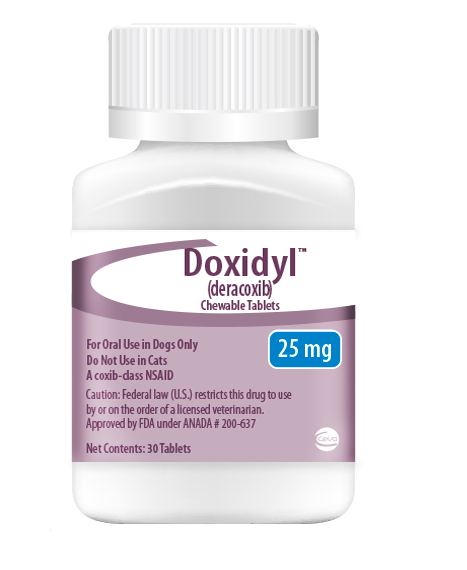
Your vet can also help adjust your dog’s winter care plan, whether that means changes in diet, added supplements, or pain relief options.



Conclusion
Winter places real physical strain on senior dogs, but thoughtful care can reduce unnecessary discomfort and health risks. Limiting cold exposure, supporting joints, protecting sensitive skin, and staying consistent with veterinary care all play a role. These small, deliberate adjustments help aging dogs move through winter with greater safety, stability, and overall well-being. For a deeper look at joint-related changes in aging dogs and ways to support mobility, explore our Dog Joint Health Guide on Causes, Signs, and Supplements. These small, deliberate adjustments help aging dogs move through winter with greater safety, stability, and overall well-being.
Frequently Asked Questions
Q1: How cold is too cold for senior dogs?
Ans: Many older dogs begin to feel uncomfortable at temperatures around 45°F (about 7°C) or below, and dogs with thin coats, small size, or health issues are especially sensitive to cold weather. If the outdoor temperature feels unpleasant to you, it is likely too cold for a senior dog.
Q2: Is winter especially hard on senior dogs?
Ans: Winter is harder on senior dogs because aging bodies retain heat less efficiently, and cold weather often worsens joint stiffness and arthritis. Reduced mobility is common during colder months, which is why joint health support and senior dog joint supplements are often considered alongside routine winter care.
Q3: Can senior dogs stay outdoors during winter?
Ans: Senior dogs should not be left outside in cold winter weather, especially near or below freezing. Older dogs are more vulnerable to hypothermia and frostbite because they cannot regulate their body heat as well as younger dogs, and prolonged cold exposure can quickly become dangerous.
Q4: What signs show a senior dog is too cold?
Ans: Signs that a senior dog is too cold include shivering, walking slowly, lifting paws off the ground, curling up tightly, keeping the tail tucked, reluctance to move, whining, or other behavior changes indicating discomfort from cold temperatures.
Q5: Do all senior dogs need winter gear?
Ans: Most senior dogs benefit from winter gear such as insulated jackets and booties for dogs, but joint support is equally important. Cold weather can increase joint discomfort, so combining warmth with joint health supplements for senior dogs may help support mobility, comfort, and overall winter well-being.



