

How to Keep Your Pets Safe During the Winter Solstice
Atamjeet Kaur 5 min read

The winter solstice is the shortest day and longest night of the year in the Northern Hemisphere, meaning earlier sunsets, darker commutes, and more after-work dog walks in low light.
That “longest night” vibe is cozy for humans, but it can increase everyday risks for pets: walking a dog in the dark, sudden cold snaps, and winter-season hazards like de-icing salts, antifreeze, and certain holiday plants.
Below is a practical winter solstice pet safety guide you can use all winter long—especially during solstice week when darkness comes early.
1) Make night walks safer (because solstice week is peak “after-dark” time)
If you’re doing more evening walks, think about nighttime dog walking safety: your goal is “see and be seen.”
Use visibility gear (simple wins):
- Put your dog in a reflective dog harness or reflective vest.
- Add a light-up dog collar (or a clip-on LED), so drivers and cyclists spot your dog’s outline quickly.
- Carry your own flashlight or wear a headlamp, so you can see icy patches and also be visible.
Safer walking habits when it’s dark:
- Stick to familiar, well-lit routes.
- Keep the leash shorter near driveways and crossings.
- Pause at intersections and give vehicles time to see you before stepping off the curb.
(Bonus: this also helps with “spooky season” behavior—many dogs are jumpier when they can’t see what’s ahead.)
2) Cold weather pet safety: prevent hypothermia and frostbite
A key winter myth is that fur makes pets “winter-proof.” Many veterinary groups emphasize that cold tolerance varies by coat, body fat, age, activity level, and health.
Watch for hypothermia and frostbite risks
During freezing or windy weather, shorten walks and keep bathroom breaks quick—especially for small dogs, seniors, and short-coated pets.
Common red flags (time to go inside and warm up):
- Shivering or trembling
- Slowed movement, weakness, or seeming “not themselves”
- Lifting paws repeatedly or refusing to walk
If your pet seems unwell or doesn’t bounce back quickly after warming up, call your vet. (Cold exposure can become serious faster than many people expect.)
Quick cold-safety upgrades
- Use a jacket/sweater for cold-sensitive dogs.
- Dry your pet after snow or rain—wet fur loses heat faster.
- Keep outdoor cats indoors during cold snaps (safer overall).
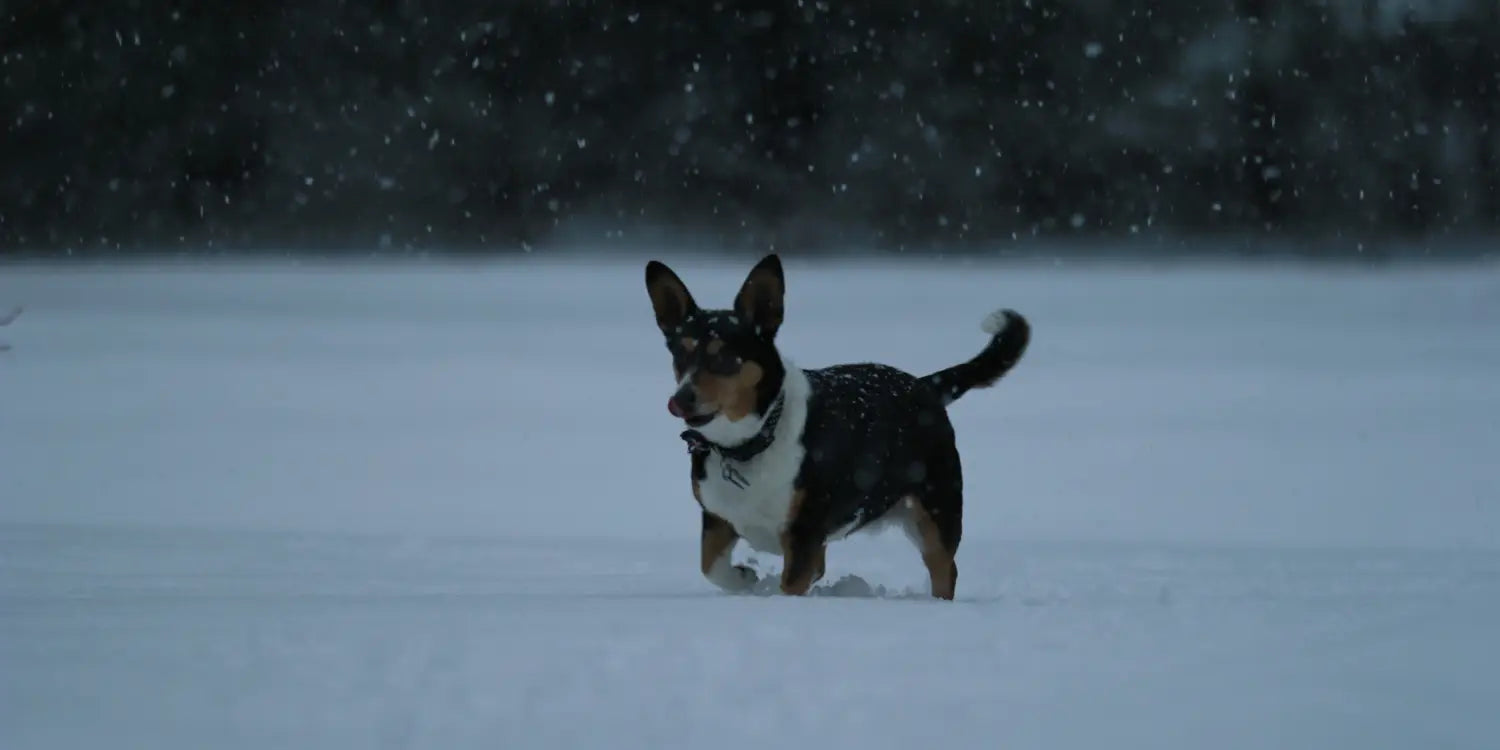
3) Protect paws from ice, salt, and de-icers
Winter sidewalks often come with de-icing salts and chemical de-icers. These can irritate paw pads and can cause problems if pets lick residue off their feet.
The post-walk “wipe-down routine” (high impact, low effort)
- Wipe paws and between-toe areas with a damp cloth when you come inside.
- Rinse and dry paws if you walked through heavily treated areas or slush.
- Consider booties for frequent walkers (especially if your area uses lots of salt).
The ASPCA also notes rock salt (sodium chloride) can be harsh on paws and, if ingested, can contribute to dangerously high sodium levels—so reducing paw-lick exposure matters.
4) Avoid the biggest winter toxin: antifreeze
Antifreeze poisoning in dogs and ethylene glycol toxicity in cats is a true emergency. Ethylene glycol is found in many automotive antifreezes and can be rapidly life-threatening.
Why it’s so risky:
- It can taste sweet to animals.
- Even small amounts can cause severe outcomes; immediate treatment is critical.
Prevention checklist:
- Store antifreeze in a sealed container, out of reach.
- Clean spills immediately and thoroughly (garage + driveway).
- If you use “pet-safer” antifreeze, still treat it like a hazard (safer doesn’t mean safe).
If you suspect exposure: contact your vet or a pet poison hotline immediately—don’t “wait and see.”
5) Indoor “cozy season” hazards: candles, fireplaces, heaters, and cords
Solstice traditions often include candlelight and cozy fires—beautiful, but worth pet-proofing.
Candle safety (pets + open flames don’t mix)
NFPA emphasizes that candles are open flames and can easily ignite nearby burnable items.
Pet-safe approach:
- Use flameless candles when possible.
- Keep lit candles high, stable, and never unattended.
- Avoid table edges and walkways where tails can sweep.
Fireplace/mantle decor
Fire safety experts commonly warn that decorations (like stockings/garlands) too close to a fireplace can be a fire hazard. Keep decor well away from heat and embers.
Cords + chewing
More indoor time = more chances to chew cords or swallow stringy items (ribbon, tinsel). Bundle cords, use cord covers, and skip stringy decor if your pet is a “snacker.”
6) Watch out for toxic plants - especially lilies, if you have cats
If your solstice/holiday season includes fresh flowers, this matters:
- The FDA warns that cats can suffer acute kidney damage and even die after eating even a small part of certain lilies.
- Veterinary sources note true lilies (Lilium) and daylilies (Hemerocallis) are especially dangerous for cats and can cause acute kidney injury.
Best rule: if you have cats, avoid lilies entirely (including bouquets and vase water) during the season.
7) Be ready for winter storms with a simple pet emergency kit
Solstice week often overlaps with unpredictable winter weather. A basic kit helps if you lose power, get stuck, or need to evacuate.
The CDC recommends building a pet disaster kit with items like veterinary records, medications, food/water supplies, a leash/carrier, and cleaning supplies.
Also, ensure ID tags and microchip info are up to date—AVMA disaster guidance emphasizes identification for reunification.
- Reflective gear + light up dog collar for walking dog in the dark
- Shorter outings in freezing weather; watch for hypothermia in dogs signs and frostbite risk
- Wipe paws after walks to reduce ice melt toxicity in pets risk
- Lock up antifreeze; treat suspected exposure as an emergency
- Keep candles/fireplaces pet-proofed
- No lilies in cat homes
- Prep a pet emergency kit for winter surprises
FAQs
Q: When is the winter solstice, and why is it the shortest day?
A: In the Northern Hemisphere, the winter solstice falls around Dec 21-22 and brings the shortest day and longest night because Earth’s tilt points your hemisphere farthest from the Sun. Afterwards, daylight slowly begins increasing each day again.
Q: How do I know if it’s too cold for my dog to stay outside?
A: Cold tolerance varies by size, coat, age, and health. Watch for shivering, lifting paws, whining, weakness, or slowed movement, then head indoors, warm them gradually, and call your vet if symptoms don’t quickly improve, especially in below-freezing temperatures.
Q: What’s the best setup for walking a dog in the dark during solstice week?
A: For nighttime dog walking safety, combine a reflective dog harness or vest with a light-up dog collar, and carry a flashlight or headlamp. Keep the leash short, use well-lit routes, and pause at crossings so drivers notice you.
Q: Are “pet-friendly” ice melts safe if my dog licks their paws?
A: Even pet-friendly products can irritate paws and cause ice melt toxicity in pets if enough is licked. After walks on treated sidewalks, wipe paws with a damp cloth and rinse if needed. Call your vet for vomiting or lethargy.
Q: What should I do if my cat eats, or even licks, lily pollen?
A: Treat lily exposure as an emergency. True lilies and daylilies can cause acute kidney injury in cats, even from small amounts of plant or pollen. Remove the plant, prevent grooming, and contact a vet or poison helpline immediately.
Related Articles


Recent Articles

