

Top 5 Dog Arthritis Medicines for Pain Relief & Improved Mobility
Palvi (Updated: Apr 24, 2026) 10 min read

Arthritis makes your dog slow down gradually. It causes joint pain, stiff mornings, and hesitation to jump. This makes it harder for your dog to walk short distances. Many pet parents start searching for supplements as soon as they notice these changes. However, it is important to get your pet checked by a vet first.
The right treatment can help your dog with ease of movement. But choosing between all the arthritis medicines for dogs, arthritis medication for dogs, or the newer arthritis drugs for dogs on the market can be overwhelming for first-time buyers.
Key Takeaways
In this blog, we’ll break everything down in a simple, easy-to-understand way so you can feel confident about your choices. Before we dive into the Top 5 Dog Arthritis Medicines, let’s first explore what arthritis is and what you need to know before starting any canine arthritis medication.
Dog Arthritis: How It Impacts Your Dog Every Day
Arthritis is the breakdown of cartilage, which causes bones to rub together. This rubbing triggers inflammation, pain, stiffness, and reduced movement. Dogs experience the condition differently, but early identification and proper treatment significantly slow progression and maintain better mobility throughout their lives.
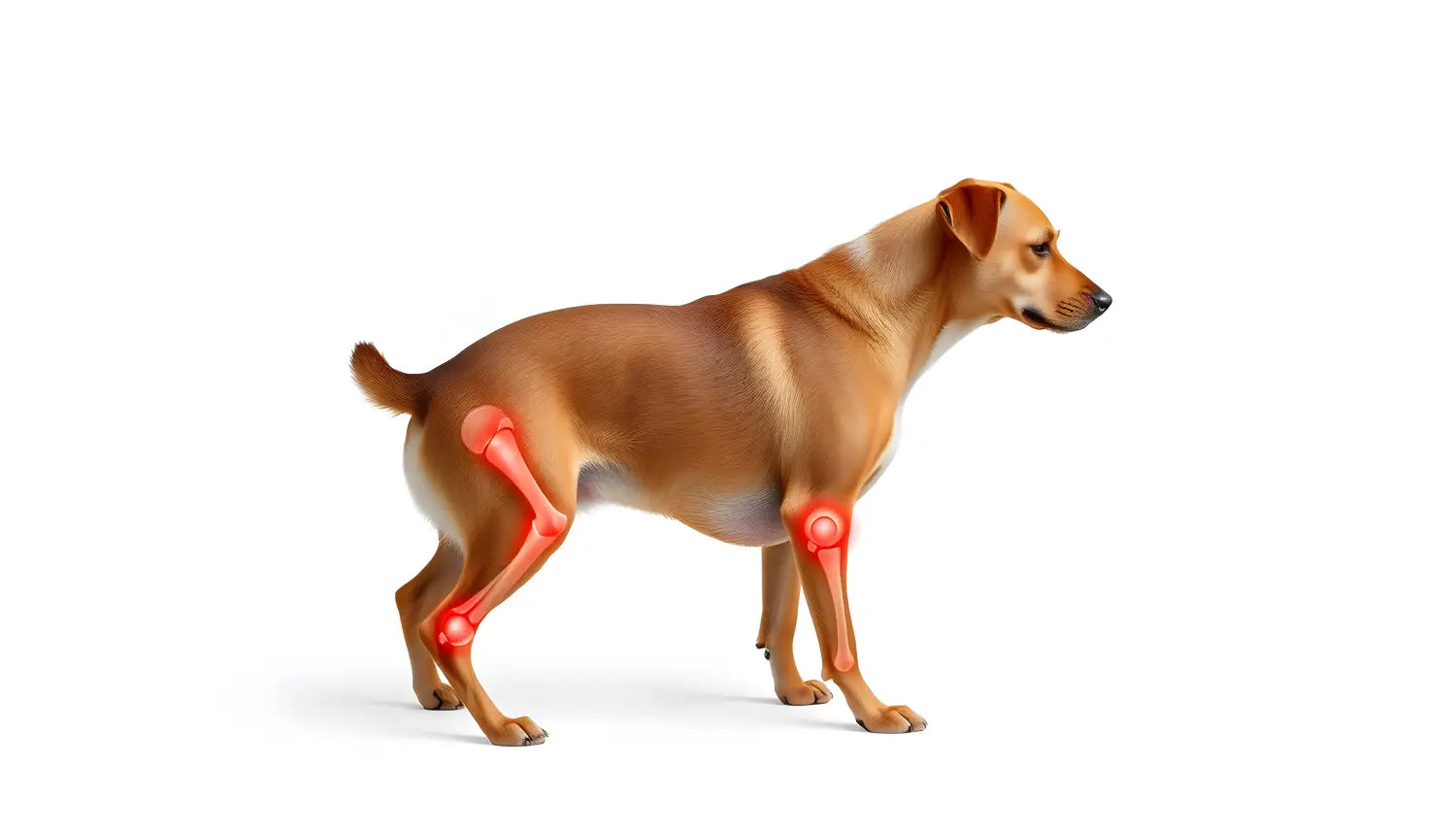
Common Symptoms of Arthritis in Dogs
Recognizing early clues helps you support mobility, reduce dog joint inflammation, and manage pain before the condition progresses. Start by observing your dog each day and asking yourself simple questions:
Has my dog’s behavior changed recently?
Are activities they used to enjoy now becoming a struggle?
Watch for common signs such as:
- Slower rising after rest
- Reduced interest in play
- Noticeable stiffness during walks
- Difficulty climbing stairs
- Mild limping or shifting weight
Common Causes Behind Canine Arthritis
More than symptoms, it’s important to understand what causes arthritis in your dog. Usually, it comes down to a mix of biology and lifestyle. Here are the most common factors:
- Aging weakens joint structures
- Excess weight adds pressure
- Past injuries create instability
- Genetics influences joint health
- Developmental issues worsen wear
Also, learn about The Hidden Impact of Fleas and Ticks on Pet Joint Health in our detailed guide.
How Different Arthritis Medicines Work on Your Dog
Arthritis medications target inflammatory pathways, improve mobility, and minimize stiffness during daily activities. Some medicines also protect cartilage from further breakdown. Whether you’re choosing arthritis medication for dogs or exploring supportive options, here’s what they typically do:
- NSAIDs reduce inflammation
- Pain relievers ease discomfort
- Supplements support cartilage
- Steroids control severe swelling
- Injections enhance joint lubrication
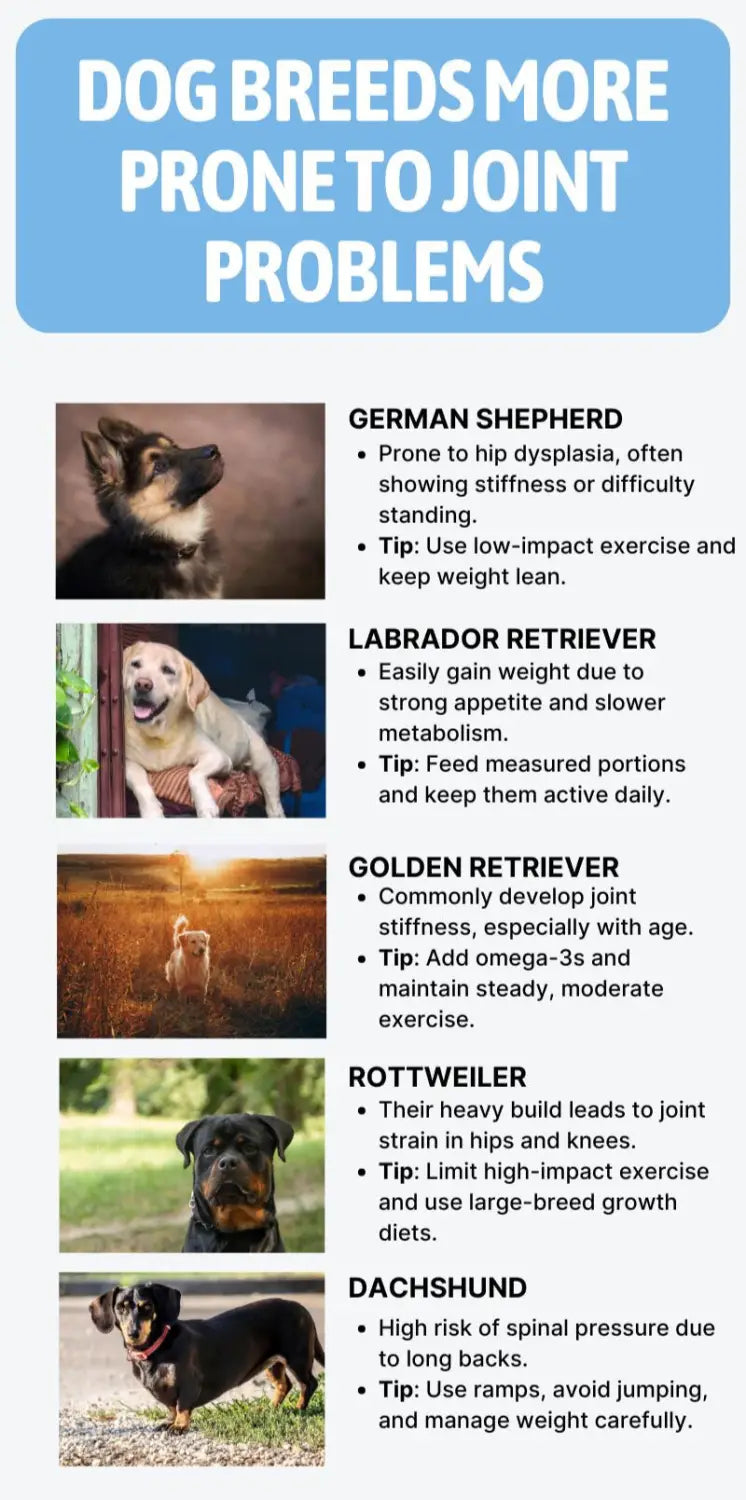
Important: Aging reduces joint lubrication, weakens muscles, lowers flexibility, increases stiffness, and slows recovery, making movement harder and causing noticeable mobility issues in senior dogs.
5 Best Medicines to Ease Your Dog’s Arthritis Pain
Here are the commonly used FDA-approved and vet-recommended options. These are among the most commonly prescribed arthritis treatments for dogs, and many vets consider them reliable first-line arthritis drugs for dogs.
1. Carprofen Caplets for Dogs
Carprofen is one of the most prescribed NSAIDs for dog arthritis. This works quickly and consistently. The non-steroidal anti-inflammatory drug relieves pain and inflammation in dogs.
It is commonly used for arthritis, post-surgical recovery, or injuries. It helps improve mobility and comfort, with effects starting within a few hours and lasting around 12 hours. For many dogs, it’s a go-to arthritis medicine for dogs because of its predictable results.
Key points:
- Availability: Prescription-only (Rx) for safe, vet-approved care.
- Duration: Provides relief for 8 to 12 hours per dose.
- How to Give: Convenient oral caplet that’s easy to administer with food.
Best for dogs who:
- Need predictable day-to-day comfort
- Show stiffness in the morning or after play


2. Galliprant Flavored Tablets
Galliprant is a prescription anti-inflammatory medication designed to manage pain and inflammation from osteoarthritis in dogs. This medicine helps to improve comfort, mobility, and overall activity, with relief. It typically begins within a couple of hours and lasts through once-daily dosing. It’s ideal for ongoing daily support for dogs with chronic joint pain, especially those needing gentler canine arthritis medication.
Key points:
- Ideal for medium to giant breed dogs, 9 months and older, weighing 8 lbs and up.
- Rx or OTC: Available only with a veterinarian’s prescription (Rx).
- Duration: Provides relief with convenient once-daily dosing.
- Addresses pain and inflammation caused by osteoarthritis and degenerative joint disease.
- It comes as a flavored chewable tablet that’s easy to give, with or without food.
Best for dogs who:
- Need gentle, long-term relief from chronic osteoarthritis pain.
- They are sensitive to traditional NSAIDs and require safer alternatives.

3. Previcox Chewable Tablets
Previcox is a prescription NSAID chewable tablet made to reduce pain and inflammation. It’s a great choice for ongoing daily support for dogs with chronic joint discomfort or those recovering from orthopedic procedures. It helps restore mobility and everyday activity, with relief typically starting within a few hours. Many owners compare it with other arthritis medication for dogs when looking for once-daily dosing.
What your dog gets from Previcox: Helps ease joint pain and swelling, allowing your dog to move more comfortably and stay active.
Key Points:
- Ideal for medium to giant breed dogs.
- Available only with a veterinarian’s prescription (Rx).
- Provides steady relief with convenient once-daily dosing.
- Pain and inflammation from osteoarthritis and post-surgical recovery.
- Flavored chewable tablet that’s easy to give with or without food.
Best for Dogs Who
- Need reliable, daily relief from chronic joint pain or arthritis stiffness.
- Benefit from a more selective NSAID option that may be gentler than traditional choices.

4. Firox Chewable Tablets
Firox is a prescription NSAID chewable tablet formulated to control pain and inflammation in dogs. This medicine is effective in treating osteoarthritis and supporting post-surgical recovery. It helps restore mobility, with relief starting within hours and maintained via once-daily dosing. Like other modern canine arthritis meds, it targets inflammation while supporting movement.
What your dog gets from Firox: Alleviates joint pain and inflammation, so your dog moves with greater ease and comfort.
Key Points:
- Ideal for: Medium to giant breed dogs.
- Rx or OTC: Available only with a veterinarian’s prescription (Rx)
- Duration: Provides steady relief with convenient once-daily dosing
- Pain and inflammation from osteoarthritis, and soft-tissue or orthopedic post-surgery recovery
Best for Dogs Who
- Need dependable daily relief from chronic arthritis pain or post-surgery discomfort
- Require a COX-2 selective NSAID option that may be gentler on the stomach and kidneys than older drugs.

5. Firovet Chewable Tablets
Firocoxib generic chewable tablets are a prescription NSAID formulated to reduce pain and inflammation in dogs dealing with osteoarthritis or recovering from surgery. It’s an excellent choice for dogs needing consistent joint-pain management or post-operative support. If you’re researching arthritis pills for dogs, firocoxib generics are often among the most cost-effective arthritis drugs for dogs.
Key Points:
- Available only with a veterinarian’s prescription (Rx).
- Provides steady relief with convenient once-daily dosing.
- Pain and inflammation from osteoarthritis, soft-tissue surgery, or orthopedic recovery.
- A chewable tablet that can be given with or without food.

How These Vet-Prescribed Arthritis Medications Work for Your Dog
Medication responses include improved movement and greater enthusiasm during daily activities. Dogs often become more active because pain decreases. Some subtle changes may take time, but consistent progress is expected. Observing these signs helps confirm that the treatment is working and supports your dog’s overall well-being.
- Smoother walking
- Easier standing up after rest
- More stable posture
- Better mood and energy
- Increased willingness to play
- Choose the Medicine That Your Dog Needs
Selecting the right arthritis treatment depends on your dog’s symptoms, age, and medical history. A vet’s assessment helps match the medication to your dog’s joint condition, ensuring safer relief. This is especially important in early-stage dog arthritis, where the right approach can slow progression. Here’s what to consider:
- Consider Age and Weight: Senior dogs or heavier breeds may need specific doses or gentler medicines.
- Review Past Medical Issues: Check for liver, kidney, or heart problems before starting any medication.
- Discuss Long-Term Needs: Arthritis is chronic; plan for ongoing treatment and comfort, not just short-term relief.
- Follow Vet Dosage Strictly: Never adjust doses yourself; incorrect dosing can harm your dog.
- Monitor Activity Levels: Track how your dog moves and adjusts; this helps assess medicine effectiveness.
- Look for FDA-Approved Options: Medicines like Carprofen, Galliprant, Previcox, Firox, and Firovet are tested for safety and results.
Pet Care Tip: Combine your dog’s medication with gentle exercise like short walks and light play to support joint health alongside medication.

Symptoms to Never Avoid in Your Dog as a Pet Parent
Certain warning signs need immediate attention, as they indicate worsening joint problems or pain, such as
- Persistent limping
- Noticeable swelling
- Sudden aggression from pain
- Reduced appetite or activity
- Difficulty standing or walking
Know more about early signs of joint discomfort. Want to stay ahead of your dog’s joint aches? Read the early signs of joint discomfort in dogs.

Other Precautions for Supporting Your Dog’s Arthritis Relief
Supportive lifestyle changes protect your dog’s joints and reduce daily strain. These adjustments help lower inflammation triggers. When combined with treatment, they create a comprehensive approach to managing arthritis. Many owners also pair meds with joint supplements for older dogs for added daily support.
- Maintain a Healthy Weight: Every extra pound adds stress to your dog’s joints. Keeping your dog at an ideal weight reduces pressure.
- Modify Home Layout: Place food, water, and bedding on easy-to-reach levels. Use ramps or non-slip mats to prevent slips and jumps that stress joints.
- Use Joint-Friendly Products: Invest in supportive beds, orthopedic cushions, or paw-friendly rugs to reduce joint strain during rest and movement.
- Keep Routines Steady: Consistent daily walks and feeding schedules help maintain joint health and prevent sudden strain from overexertion.
a. Tips to Modify Your Home to Reduce Joint Strain for Dogs
Simple home adjustments reduce slipping, pressure, and impact on sore joints. A joint-friendly environment supports treatment and reduces the risk of further joint strain.
- Add rugs for traction
- Use low beds
- Install ramps
- Keep essentials nearby
- Limit stair use
b. Diet and Weight Management Tips for Healthy Joints
A balanced diet helps reduce inflammation and supports cartilage repair. Nutrient-rich foods and appropriate portion control keep your dog healthier. Consistent feeding habits play a vital role in supporting arthritis management naturally.
- Include omega-3 oils
- Control daily portions
- Choose lean proteins
- Avoid excessive treats
- Maintain steady meal times
c. Safe and Gentle Exercise Ideas for Your Dog
Gentle activity helps maintain muscle strength without stressing painful joints. Make a consistent routine to prevent stiffness and encourage steady weight control.
- Short daily walks
- Low-impact play
- Slow hill climbs
- Gentle stretching sessions
- Controlled leash outings
Final Thoughts: What’s the Best Medicine for Your Dog?
There’s no single answer—every dog is different. Some do great on one NSAID. Others need a combo of supplements and pain control. Some also explore how to treat dog arthritis naturally alongside vet-approved meds, especially for long-term comfort.
The key is staying observant, asking questions, and adjusting as your dog’s needs change. With the right medication for dog arthritis treatment as mentioned, your pup can move more easily and feel more like themselves again.
Explore our collection page to discover the top arthritis products that help keep your pet moving comfortably and confidently.
Frequently Asked Questions About Arthritis in Dogs
Q1: What is the best medicine for arthritis in dogs?
Ans: Many dogs feel better with safe vet-prescribed NSAIDs. These medications reduce joint pain and swelling, helping dogs move more easily. Options like Carprofen 75mg, Galliprant, Previcox 57mg, Firox 57mg, and Firovet 227mg can support comfort. Every dog is different, so a vet will choose what works best.
Q2: How to stop arthritis in dogs?
Ans: You cannot fully stop arthritis, but you can slow it down. Gentle, regular exercise helps protect joints. Avoid hard or sudden activities. Keeping your dog at a healthy weight also helps. Additionally, consider using vet-recommended medicines such as Carprofen, Galliprant, Previcox, Firox, or Firovet to help reduce pain.
Q3: Can I give a human pain reliever to my dog for temporary relief?
Ans: No human pain reliever should be given to dogs unless a veterinarian specifically says so. Medicines like ibuprofen or acetaminophen can cause serious kidney, liver, or stomach problems. If your dog needs pain relief, only use vet-approved options.
Q4: Can a dog recover from arthritis?
Ans: Dogs cannot completely recover from arthritis, but many can live comfortably with steady care. NSAIDs help reduce pain and inflammation and make movement easier. Regular exercise, weight control, and routine checkups also support long-term mobility.
Related Articles


Recent Articles


