


Product title
Vendor
$19.99 | $24.99
Product title
Vendor
$19.99 | $24.99
Product title
Vendor
$19.99 | $24.99
Product title
Vendor
$19.99 | $24.99
Generic Carprofen NSAID Flavored Tablets for Dog Arthritis and Post-Surgical Pain
Product Description
Carprofen (Generic) Flavored Chewable Tablets 25 mg are FDA-approved prescription NSAID tablets for oral use in dogs only. Each scored flavored tablet contains 25 mg carprofen — a propionic acid class non-steroidal anti-inflammatory drug that relieves pain and inflammation by reducing prostaglandin synthesis. Generic carprofen delivers the same active ingredient as brand-name Rimadyl, Novox, and Vetprofen at a more accessible price point. Dogs dealing with osteoarthritis discomfort or recovering from surgery are the primary candidates for this medication.
Benefits
- Relieves Osteoarthritis Pain and Inflammation: Helps dogs with osteoarthritis feel more comfortable day to day, addressing joint pain, stiffness, and the struggle to get up or move around.
- Controls Post-Surgical Pain: Controls postoperative pain in dogs when given approximately two hours before a procedure, reducing discomfort during recovery.
- Generic Alternative to Rimadyl: Carprofen generic tablets contain the identical active ingredient as Rimadyl, Novox, and Vetprofen at an equivalent 25 mg dose.
- High Oral Bioavailability: Carprofen is more than 90% bioavailable when given by mouth, with peak blood plasma levels reached within 1-3 hours after oral dosing.
- Scored Tablet for Dose Flexibility: Each 25 mg tablet is scored, allowing it to be split in half so dosing can be calculated and adjusted in 12.5 mg increments as directed by the vet.
- Palatable Flavored Formulation: The flavored chewable form is accepted by most dogs without the resistance common to unflavored tablets, supporting consistent daily dosing.
Ingredients
Active Ingredients
Carprofen: 25 mg per tablet
How to Use
Dosage and Administration Instructions
- Prescription Required: Federal law limits carprofen to veterinary prescription use only; always make sure the Client Information Sheet is included when dispensing.
- Lowest Effective Dose: The goal is always the smallest amount that keeps the dog comfortable for the shortest time needed to manage their condition.
- Once-Daily Dosing: The daily amount works out to 2 mg/lb (4.4 mg/kg) given as one oral dose; tablets are scored so doses can be measured in half-tablet steps.
- Twice-Daily Dosing Option: The full daily amount can instead be split into two doses of 1 mg/lb (2.2 mg/kg) each, one in the morning and one in the evening.
- Pre-Surgical Dosing: For post-operative pain control, give the appropriate dose about two hours before the procedure begins.
- Give with Food to Reduce GI Upset: Giving carprofen alongside a meal helps reduce the chance of stomach upset during the course of treatment.
- Prescribed Dog Only: Only give carprofen to the dog for whom it was prescribed, and only for the specific condition it was prescribed to treat.
- Regular Veterinary Check-Ups: Bring the dog in for periodic follow-up visits so the vet can confirm the medication is working as expected and reassess whether treatment should continue.
Disclaimer: This dosage information is provided by the manufacturer. Always consult your veterinarian before administering or adjusting any supplement for your pet.
Additional Information
Precautions
- Not for Cats: Carprofen flavored tablets are approved for dogs only; do not give to cats or any other animal species under any circumstances.
- Do Not Use with Other NSAIDs or Steroids: Concurrent use of carprofen with other NSAIDs including aspirin, or with corticosteroids, significantly raises the risk of gastrointestinal ulceration.
- Renal and Hepatic Function Monitoring: Dogs on long-term carprofen therapy should have kidney and liver function tested periodically, as NSAID use can impair organ function over time.
- Not for Use in Dehydrated, Hypovolemic, or Hypotensive Dogs: These conditions raise the risk of serious renal toxicity; do not administer carprofen until the dog has been appropriately stabilized.
- Breeding Safety Not Established: The safety of carprofen has not been studied in breeding dogs; use with caution and only under close veterinary supervision.
- Stop if Adverse Signs Appear: Immediately stop giving carprofen and contact the vet if vomiting, diarrhea, changes in bowel habits, decreased appetite, lethargy, jaundice, or behavior changes occur.
- Keep from Children and Other Animals: Store in a secure location out of reach of children, cats, and other pets; flavored tablets are appealing and accidental ingestion is a real risk.
Possible Side Effects
- Vomiting and Diarrhea: Stomach upset is the side effect dogs on carprofen run into most often, particularly when taken without food.
- Decreased Appetite: Some dogs eat less while on carprofen; keep an eye on how much your dog is finishing at mealtimes.
- Lethargy and Behavioral Changes: Unusual tiredness, wobbliness, or shifts in behaviour after starting carprofen should be reported to your vet promptly.
- Liver Toxicity: Raised liver enzymes and liver damage have been seen in some dogs; routine blood checks are worth doing during longer courses.
- Kidney Effects: Like all NSAIDs, carprofen carries a kidney risk, especially in older dogs or those with existing renal problems; watch for thirst, urination changes, or swelling.
- Jaundice: Yellow tinting in the skin, eyes, or gums points to possible liver trouble; stop the medication and contact your vet straight away.
Storage Information
- Store at Room Temperature: Keep tablets at a stable room temperature away from heat and humidity to maintain their potency and stability over time.
- Keep Out of Reach: Lock these tablets away from children, cats, and other pets; the added flavoring makes them especially tempting to animals beyond the dog they are prescribed for.
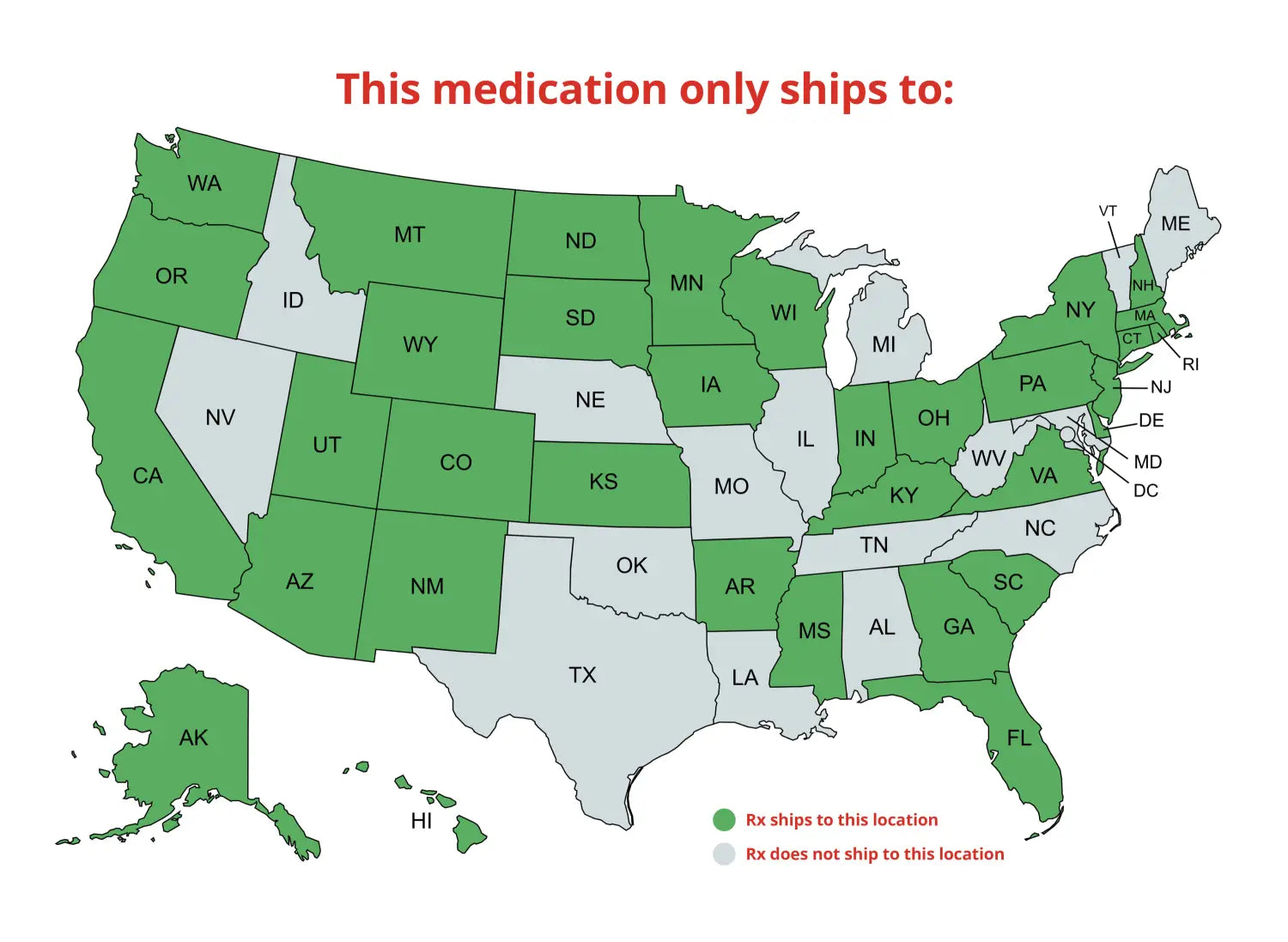
NOTE: For generic medications, the product image shown may not reflect the actual item received. Generic medications can vary in size, color, and shape between orders depending on the manufacturer. Additionally, your medication may arrive packaged in a HardyPaw Pharmacy vial.
Shipping & Return
We offer ground, express, and priority delivery; see our shipping policy for details.
For return instructions or product concerns, please refer to our detailed refund policy.
Prescription items are NON-RETURNABLE and NON-REFUNDABLE.
Frequently Asked Questions
Q1: What does Carprofen 25 mg generic flavored tablet treat in dogs?
Ans: Generic Carprofen 25 mg holds FDA approval for two specific uses in dogs: easing the pain and inflammation that comes with osteoarthritis, and managing postoperative pain when given roughly two hours ahead of a surgical procedure. It works by dialling down prostaglandin production, which is what drives the pain and inflammation building up in sore joints.
Q2: Is generic Carprofen the same as Rimadyl for dogs?
Ans: Yes. Generic carprofen contains the same active ingredient as Rimadyl, Novox, and Vetprofen. The 25 mg generic flavored tablet delivers an identical dose of carprofen at a more accessible cost. All carprofen generics are FDA-approved under their respective ANADAs and hold the same indications.
Q3: What is the correct carprofen dose for dogs using the 25 mg tablet?
Ans: Each dog gets 2 mg per lb of body weight daily, which can be given as a single dose or broken into two smaller amounts of 1 mg/lb in the morning and evening. The tablets are scored down the middle to make splitting straightforward. As a practical example, a 12.5 lb dog would typically land on one 25 mg tablet a day, though the vet will work out the exact routine for each individual dog.
Q4: Can Carprofen generic NSAID tablets be given alongside other anti-inflammatory medications?
Ans: No. Carprofen must not be given at the same time as other NSAIDs including aspirin, ibuprofen, or other prescription NSAIDs, nor with corticosteroids. Combining these drugs significantly increases the risk of serious gastrointestinal ulceration, bleeding, and kidney damage in dogs.
Q5: When should I stop giving my dog Carprofen flavored tablets and call the vet?
Ans: Stop giving carprofen immediately and contact your veterinarian if the dog shows any of the following: vomiting, diarrhea, black or tarry stools, reduced appetite, unusual lethargy, yellowing of the skin or eyes, increased thirst or urination, or any notable behavioral change. These can signal serious organ-related reactions.