

Product title
$19.99 | $24.99
Product title
$19.99 | $24.99
Product title
$19.99 | $24.99
Product title
$19.99 | $24.99
H2 Blocker Tablets for Acid Reduction and Ulcer Support in Pets
Product Description
Cimetidine 300mg Tablets are a prescription H2 receptor blocker used by veterinarians for dogs, cats, and horses to reduce excess stomach acid production. It works by sitting on the histamine receptors in the stomach lining, which dials down acid output and gives irritated or ulcerated tissue the chance to heal. It covers gastric and intestinal ulcers, acid reflux, esophagitis, and serves as an added treatment for mast cell tumors in dogs and cats.
Benefits
- Ulcer Treatment and Prevention: Addresses active gastric, esophageal, and duodenal ulcers and helps keep them from returning after healing.
- Acid Reflux Relief: Brings down stomach acid buildup tied to acid reflux, esophagitis, and gastroesophageal reflux disease in dogs and cats.
- Mast Cell Tumor Support: Keeps histamine-driven gastric irritation and ulceration in check in pets with mast cell tumors releasing excess histamine.
- Immunomodulatory Properties: Carries weak immunomodulatory effects that may support immune function, making it a useful addition alongside cancer therapies.
- Hypersecretory Condition Management: Helps manage excessive stomach acid conditions such as gastrinoma and short bowel syndrome in pets.
Ingredients
Active Ingredients
Cimetidine
How to Use
Cimetidine 300mg Tablets are a prescription-only medication. A valid veterinarian prescription is required to purchase this product.
Please follow your veterinarian's specific instructions for the dosage and administration of this medication for your pet.
Disclaimer: Dosage and administration of this medication must be determined by a licensed veterinarian. Always consult your veterinarian before administering or adjusting any prescription medication for your pet.
Tucking this tablet into a soft pill pocket or pill wrap treat is a practical way to get your pet to take their dose without any fuss. This works especially well for cats, since many find the taste of cimetidine off-putting on its own.
Shop Pill Pockets for Dogs | Shop Pill Pockets for Cats
Additional Information
Precautions
- Caution in Liver Disease: Pets with liver disease need careful management on this medication, as the liver processes it and levels may build up.
- Caution in Kidney Disease: Pets with reduced kidney function may need a lower dose, since the kidneys play a role in clearing cimetidine from the body.
- Avoid Known Allergies: Pets with a known sensitivity to cimetidine or related H2 blocker medications should not be given this medication.
- Do Not Stop Abruptly: Stepping the dose down gradually when ending treatment helps avoid a rebound spike in stomach acid production.
- Caution in Older Pets: Older pets and those with blood disorders tend to be more sensitive and need closer watching on this medication.
- Drug Interaction Risk: This medication does not mix well with antacids, metoclopramide, sucralfate, digoxin, and diazepam; inform your veterinarian beforehand.
Possible Side Effects
- Digestive Upset: Vomiting, diarrhea, and constipation are reactions some pets go through when taking cimetidine, particularly early in treatment.
- Reduced Platelet Count: A drop in platelet count has been noted in some dogs on this medication, making periodic blood checks during treatment worthwhile.
- Mammary Swelling in Dogs: A mild, temporary swelling of the mammary glands can show up in some female dogs but tends to go away on its own.
- Drooling in Cats: Cats that dislike the taste of the tablet may drool, though this usually stops once the tablet is given inside a pill pocket.
- Paradoxical Excitement in Cats: An unexpected increase in energy or restlessness has been noted in some cats and should be flagged to a veterinarian if it occurs.
Storage Information
- Room Temperature: Tablets do best at room temperature inside a tightly closed container, kept away from heat and excess humidity.
- Protect From Moisture and Light: Direct sunlight and damp conditions can chip away at the tablet's potency, so a dry, shaded storage spot is the better choice.
- Out of Reach: Keep this medication somewhere children and untreated animals in the home cannot get to it.
NOTE: For generic medications, the product image shown may not reflect the actual item received. Generic medications can vary in size, color, and shape between orders depending on the manufacturer. Additionally, your medication may arrive packaged in a HardyPaw Pharmacy vial.
Shipping & Return
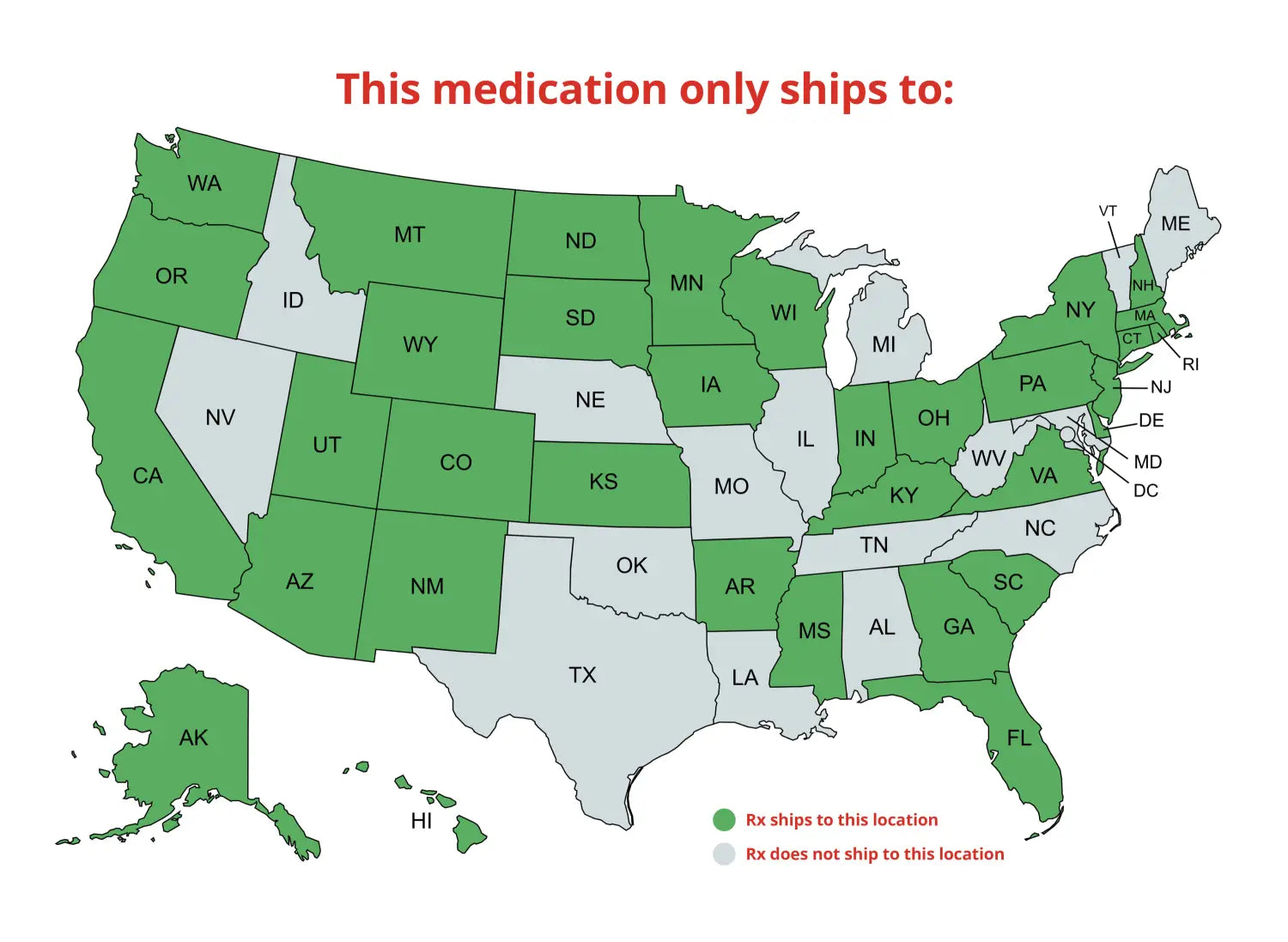
We offer ground, express, and priority delivery; see our shipping policy for details.
For return instructions or product concerns, please refer to our detailed refund policy.
Prescription items are NON-RETURNABLE and NON-REFUNDABLE.
Frequently Asked Questions
Q1: What conditions does cimetidine treat in dogs and cats?
Ans: In dogs and cats, cimetidine is used for gastric and duodenal ulcers, esophagitis, acid reflux, and other conditions where the stomach produces too much acid. For pets with mast cell tumors, it also helps keep histamine-driven gastric irritation and ulceration under control alongside other treatments.
Q2: How does cimetidine help pets with mast cell tumors?
Ans: Mast cell tumors push out large amounts of histamine, which can wear down the stomach lining and lead to serious ulceration. Cimetidine steps in by occupying histamine receptors in the stomach, reducing acid damage, and may offer added immune support alongside other cancer treatments.
Q3: Is cimetidine FDA-approved for use in dogs and cats?
Ans: While cimetidine was developed for human use, veterinarians regularly prescribe it off-label for dogs, cats, and horses under extra-label guidelines. A veterinarian will assess your pet's specific condition and determine whether cimetidine is the most suitable acid-reducing option available.
Q4: Can cimetidine be stopped suddenly in dogs and cats?
Ans: No, stopping this medication abruptly can trigger a rebound rise in stomach acid that makes the underlying condition worse. A veterinarian will put together a gradual step-down plan to bring the dose down safely before ending treatment for your pet.
Q5: What medications should not be given alongside cimetidine in pets?
Ans: Cimetidine can interact with antacids, metoclopramide, sucralfate, digoxin, and diazepam, and tends to have a broader interaction profile than newer acid-reducing options. Give your veterinarian a complete list of every medication and supplement your pet is on before starting cimetidine.