


Product title
Vendor
$19.99 | $24.99
Product title
Vendor
$19.99 | $24.99
Product title
Vendor
$19.99 | $24.99
Product title
Vendor
$19.99 | $24.99
Prevents Fescue Toxicosis in Periparturient Mares Effectively
Product Description
EQUIDONE® Gel is a prescription oral gel for animals that contains domperidone. It helps prevent fescue toxicosis in mares that are close to giving birth. The gel is given once a day before the expected foaling. It supports normal gestation, mammary development, and milk production in mares that have been exposed to infected fescue. The multi-dose syringe allows for accurate dosing based on the mare's weight. It is made by Dechra Veterinary Products and has been approved by the FDA.
Benefits
- Prevents toxicosis: Helps prevent fescue toxicosis in periparturient mares by counteracting dopamine effects caused by endophyte-infected fescue exposure.
- Supports lactation: Promotes mammary gland development and adequate milk production at foaling in mares affected by fescue alkaloids.
- Improves gestation timing: Assists in achieving a more normal gestation length and reduces complications associated with prolonged pregnancy due to toxicosis.
- Easy dosing: Multi-dose oral syringe with adjustable dial allows precise administration according to the mare's body weight requirements.
- Veterinary approved: FDA-approved formulation with clinically demonstrated effectiveness when used at the recommended dose and timing before foaling.
Variants
EQUIDONE® Gel 25 cc Single Syringe
Ingredients
Domperidone 110 mg per cc gel
How to Use
Recommended-Dosage Chart
|
Body Weight (lb) |
Body Weight (kg) |
Dose (cc) |
Domperidone (mg) |
|
550–660 |
250–300 |
3 |
330 |
|
661–880 |
301–400 |
4 |
440 |
|
881–1100 |
401–500 |
5 |
550 |
|
1101–1320 |
501–600 |
6 |
660 |
Directions for Use
- Determine dose: Calculate the appropriate dose based on the mare's body weight using the dosing table before administering the oral gel product.
- Set syringe dial: Turn dial ring so edge nearest syringe tip aligns with dose marking for accurate administration measurement.
- Prepare the mouth: Ensure the horse's mouth is free of feed or obstructions before inserting the syringe nozzle through the interdental space.
- Administer gel: Place gel on the back of the tongue by fully pressing the plunger after inserting the nozzle into the horse's mouth.
- Adjust doses: Raise the dial setting progressively for later doses because the syringe holds multiple doses and keeps track of earlier administrations.
- Prescription required: Federal law limits this drug to licensed veterinarians, ensuring proper medical supervision during treatment.
Disclaimer: This dosage information is provided by the manufacturer. Always consult your veterinarian before administering or adjusting any supplement for your pet.
Additional Information
Precautions
- Accurate timing: Administration earlier than fifteen days before expected foaling may cause premature birth or low birth weight foals.
- Breeding records: Accurate breeding and expected foaling dates are necessary to ensure safe and effective use in mares.
- Drug interactions: Concurrent use with erythromycin or ketoconazole may significantly increase domperidone exposure due to metabolic inhibition.
- Gastrointestinal blockage: Avoid use in horses with suspected gastrointestinal obstruction since domperidone stimulates gut motility and may worsen the condition.
- Human safety: Pregnant or lactating women should handle with caution because systemic exposure may affect reproductive hormones.
Possible Side Effects
- Premature lactation: Milk dripping before foaling during treatment, and this is one of the most commonly reported reactions.
- Passive transfer failure: Foals might not get enough immunoglobulin, even if there is no visible colostrum loss from the treated mares.
- Premature birth: Studies have shown early births with shorter gestation periods and lower birth weights for foals.
- Foal diarrhea: Some foals born to treated mares had mild diarrhea or loose stools that cleared up without treatment.
Storage Information
- Room temperature: Store at controlled room temperature around 25°C with permitted excursions between 15°C and 30°C.
- Recap syringe: Replace cap securely after each use to prevent contamination or accidental exposure and maintain product integrity.
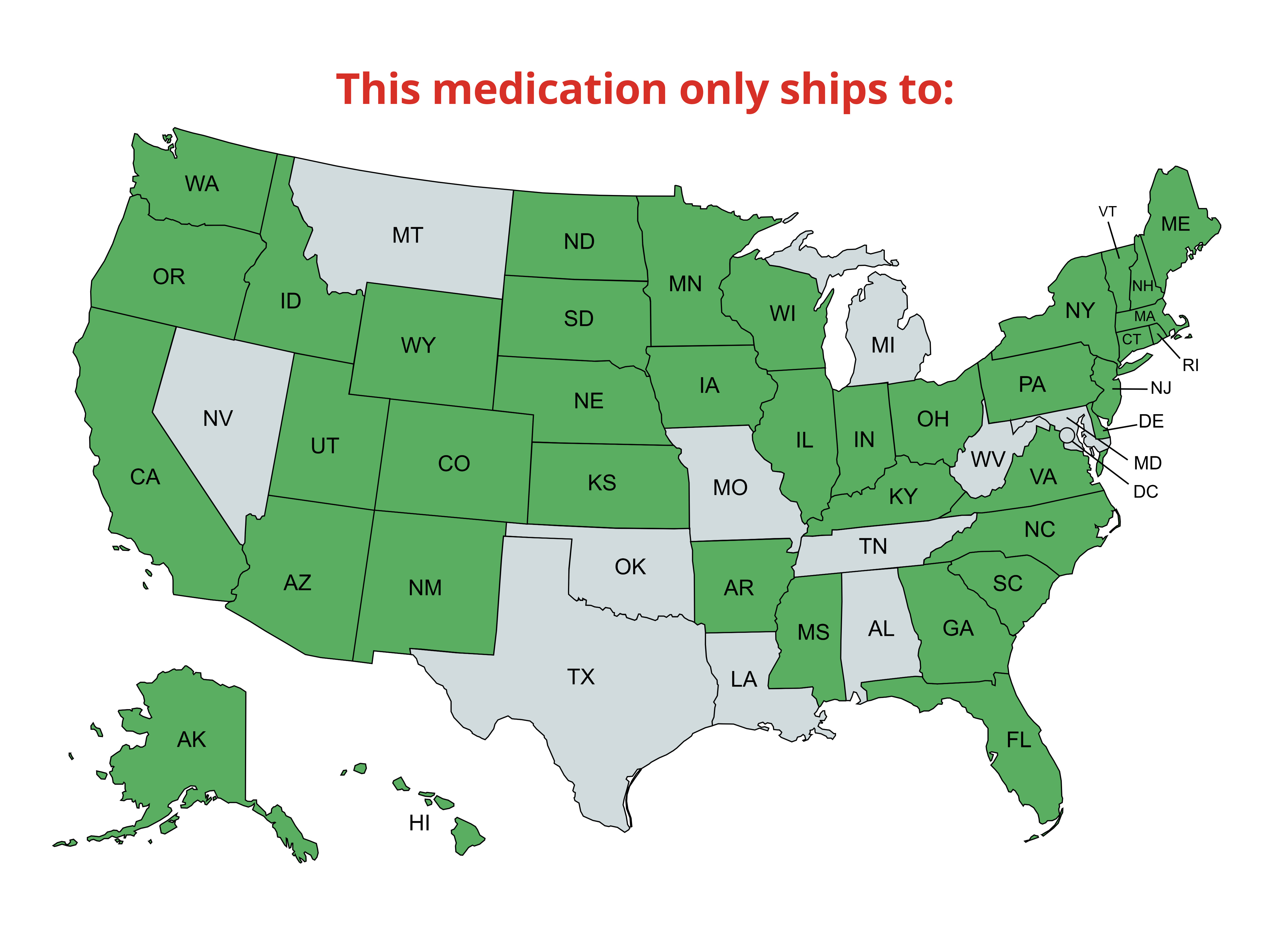
Shipping & Return
We offer ground, express, priority, and international delivery; see our shipping policy for details.
For return instructions or product concerns, please refer to our detailed refund policy.
Prescription items are NON-RETURNABLE and NON-REFUNDABLE.
Frequently Asked Questions
Q1: What is EQUIDONE® Gel used for in horses?
Ans: EQUIDONE® Gel is prescribed to help prevent fescue toxicosis in mares around foaling. The domperidone formulation counteracts dopamine effects from infected fescue, supporting normal gestation, mammary development, and milk production when administered before the expected foaling date under veterinary supervision. Manufactured by Dechra Veterinary Products.
Q2: When should EQUIDONE® Gel treatment be started?
Ans: Treatment is typically started 10 to 15 days prior to the mare’s expected foaling date. Accurate breeding records are essential because administering earlier than recommended may increase risks such as premature birth, low birth weight foals, or foal health complications.
Q3: How long should EQUIDONE® Gel be given after foaling?
Ans: Post giving birth, if the mare doesn’t produce enough milk, then treatment can go on for up to five days. However, the exact duration should always be decided by a veterinarian, taking into account the mare's milk production and her general health.
Q4: Do foals from treated mares need any testing?
Ans: All foals from mares treated with EQUIDONE® Gel should have their serum immunoglobulin G levels tested to ensure their health. Passive transfer failure can happen even if there is no visible colostrum leakage, so it’s a good idea to have veterinary monitoring to ensure enough immune protection.
Q5: Is EQUIDONE® Gel available without a prescription?
Ans: No, federal law in the United States restricts this medication to use only by or under the direction of a licensed veterinarian. Having a vet involved ensures that the dosing is correct, the timing is appropriate for foaling, and that any potential complications or side effects are monitored closely.