


Product title
Vendor
$19.99 | $24.99
Product title
Vendor
$19.99 | $24.99
Product title
Vendor
$19.99 | $24.99
Product title
Vendor
$19.99 | $24.99
Supports Navicular Syndrome Relief in Horses
Product Description
Tildren is a veterinary-prescribed treatment that’s administered intravenously to help manage the symptoms of navicular syndrome in horses. It functions by inhibiting the breakdown of bone, which helps in improving comfort and mobility over time. Delivered through a controlled infusion, it acts directly on the bone tissue, and its positive effects may last for several months after the treatment.
Benefits
- Navicular Support: Helps control the clinical signs of navicular syndrome, ultimately improving lameness outcomes for affected horses.
- Bone Resorption Control: Works by inhibiting the activity of osteoclasts, which helps to reduce bone resorption and promotes healthier bone metabolism over time.
- Proven Effectiveness: Clinical studies have shown that it has higher success rates in improving lameness compared to control groups.
- Long Lasting Action: Stays in the bone tissue for extended periods, ensuring ongoing therapeutic effects even after just one infusion.
- Targeted IV Therapy: Administered intravenously for precise dosing and controlled delivery under veterinary supervision.
Ingredients
Composition Table
|
Ingredient |
Quantity |
|
Tiludronic acid (as tiludronate disodium) |
500 mg |
|
Mannitol USP |
250 mg |
How to Use
Recommended-Dosage Chart
|
Weight Range (lbs) |
Volume of Reconstituted Solution (20 mg/mL) |
|
550–770 |
15 mL |
|
771–990 |
20 mL |
|
991–1210 |
25 mL |
|
1211–1430 |
30 mL |
|
1431–1650 |
35 mL |
|
1651–1875 |
40 mL |
Dosage & Administration Instructions
- Veterinary Prescription Only: This medication must be administered by or under the supervision of a licensed veterinarian only.
- Weight-Based Dose: Administer a single intravenous dose of 1 mg per kg body weight as prescribed.
- Slow Infusion Rate: Infuse it slowly and evenly over 90 minutes to help reduce the chances of any adverse reactions.
- Proper Reconstitution: Use sterile saline and ensure the right dilution before administering it through intravenous infusion.
- Avoid Incompatible Solutions: Avoid mixing it with any solutions that contain calcium or divalent cations.
- Timely Administration: Use prepared infusion within 2 hours or refrigerate up to 24 hours before use.
Disclaimer: This dosage information is provided by the manufacturer. Always consult your veterinarian before administering or adjusting any supplement for your pet.
Additional Information
Precautions
- Renal Health Risk: Avoid use in horses with poor kidney function since this raises the risk of toxicity.
- NSAID Interaction Warning: Do not use with NSAIDs because this may increase the chance of acute kidney failure.
- Hydration Requirement: Make sure horses are well-hydrated before treatment to reduce possible kidney damage.
- Electrolyte Imbalance Risk: Use carefully in horses with electrolyte problems, as the drug may change calcium, magnesium, and potassium levels.
- Young Horse Safety: Not tested in horses under four years old and may impact bone growth.
- Reproductive Safety: Avoid use in pregnant, nursing, or breeding horses due to possible risks to the fetus and development.
Possible Side Effects
- Colic Signs: Horses may show temporary abdominal discomfort, such as pawing, rolling, or restlessness, shortly after infusion.
- Urinary Changes: Some horses may drink more or urinate more within hours after administration.
- Injection Reactions: Mild swelling or a bruise at the injection site after intravenous administration.
- Muscle Tremors: Muscle twitching or mild tremors may appear within a few hours after infusion.
- Reduced Appetite: There may be a short-term decrease in appetite or feed intake following treatment.
- Serious Reactions: In rare cases, there may be kidney problems or allergic reactions that need immediate veterinary attention.
Storage Information
- Room Temperature Storage: Store unopened vials at a controlled room temperature, ideally ranging from 68°F to 77°F.
- Refrigerated Solution Storage: You can safely refrigerate the prepared infusion between 36°F and 46°F for up to 24 hours.
- Light Protection: Keep the reconstituted solution protected from light to maintain product stability.
- Use Within Timeframe: Administer the prepared solution within 2 hours if kept at room temperature for best safety.
Shipping & Return
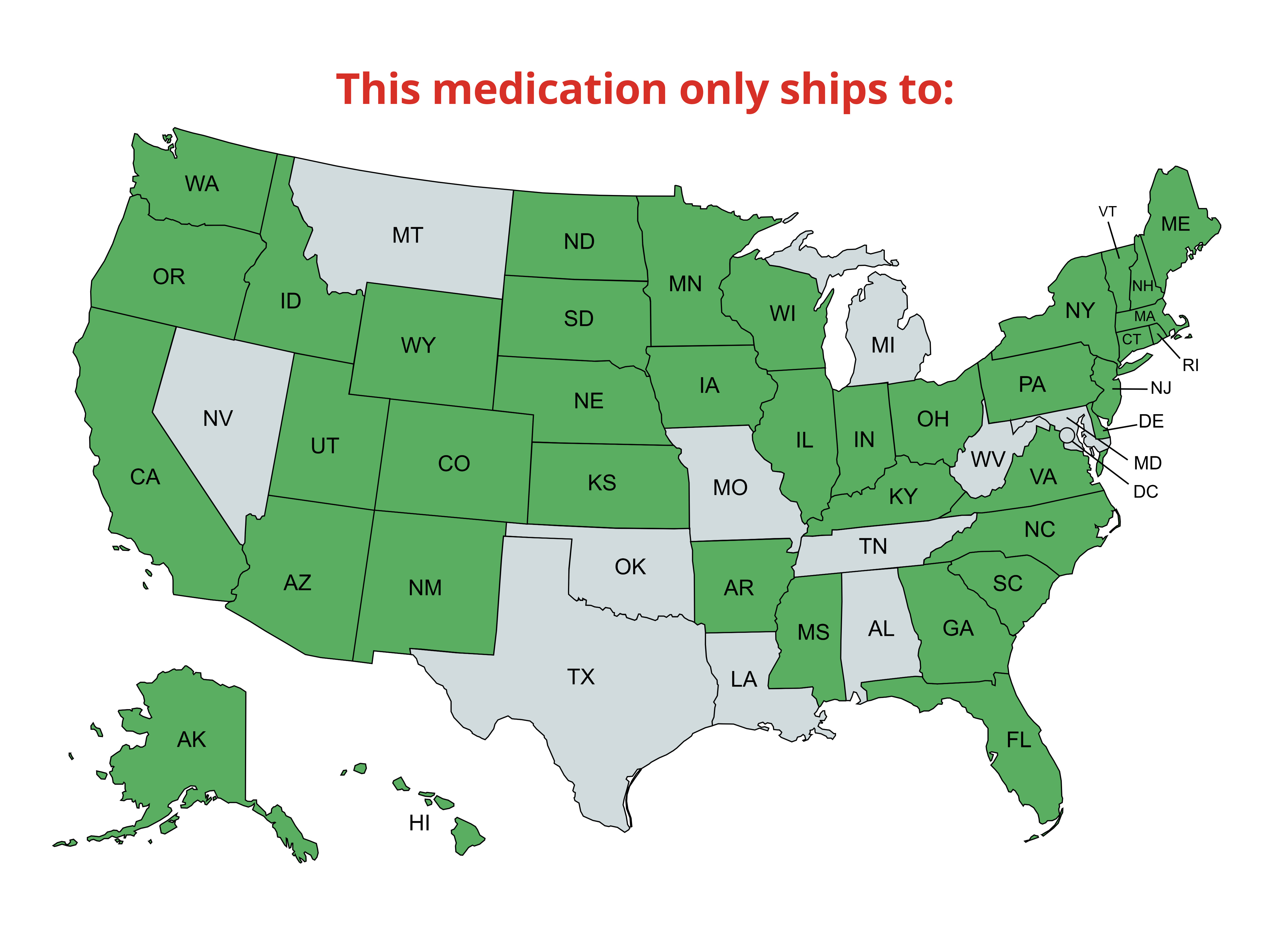
We offer ground, express, priority, and international delivery; see our shipping policy for details.
For return instructions or product concerns, please refer to our detailed refund policy.
Prescription items are NON-RETURNABLE and NON-REFUNDABLE.
Frequently Asked Questions
Q1: What is Tildren used for in horses?
Ans: Tildren is used for managing the clinical signs of navicular syndrome in horses, a condition that impacts the navicular bone and nearby structures. It helps alleviate lameness and enhance comfort by decreasing bone resorption, ultimately supporting improved mobility over time, but it’s important to use it under the care of a veterinarian.
Q2: How is Tildren administered to horses?
Ans: Tildren is given as a slow intravenous infusion at a dose of 1 mg for each kilogram of body weight. The infusion should be given over 90 minutes using proper sterile techniques and veterinary supervision to reduce the risk of adverse reactions.
Q3: How long does Tildren take to show results?
Ans: The maximum therapeutic effect of Tildren may not be observed until up to two months after treatment. The drug works gradually by affecting bone metabolism, and its presence in bone tissue allows for sustained effects over an extended period following a single infusion.
Q4: Can Tildren be used with NSAIDs in horses?
Ans: Tildren should not be used concurrently with NSAIDs due to an increased risk of renal toxicity and acute renal failure. A proper washout period is recommended, and veterinarians should monitor kidney function if any related medications are required during treatment.
Q5: What are the common side effects of Tildren in horses?
Ans: Some common side effects to watch for include temporary signs of colic, such as restlessness, pawing, or rolling. You may also notice an increase in urination, a decrease in appetite, and mild reactions at the injection site. These effects generally happen shortly after the infusion and usually resolve with just a bit of observation or light intervention.