

10 Best Heartworm Preventives for Dogs – Vet Picks + Product Comparison
Edward Simmons

"Heartworm prevention is far safer and less burdensome than treating active heartworm disease, which can require multiple veterinary visits and months of exercise restriction."
This stark reality highlights the silent danger lurking in every backyard. But what exactly does this mean for your dog's health, and why is staying ahead of heartworm disease so critical in 2026?
Heartworm disease, caused by the parasite Dirofilaria immitis, is a serious and potentially fatal condition for dogs. It's transmitted through the bite of infected mosquitoes, and these insidious parasites can grow in a dog's heart, lungs, and associated blood vessels.
TL;DR
- Heartworm disease is serious and can become fatal if left untreated.
- Prevention is much safer, easier, and less expensive than treatment.
- Dogs usually need prescription heartworm prevention year-round, even if they live mostly indoors.
- The best product depends on your dog’s age, weight, health history, parasite exposure, and whether you prefer chewable, topical, or injectable protection.
- All-in-one options like Simparica Trio cover heartworm plus fleas, ticks, and some intestinal worms.
- Basic options like Heartgard Plus focus on heartworm and common intestinal worms.
- Missing even one dose can reduce protection and increase risk.
- Many dogs, especially those over 7 months old, should be tested before starting or restarting prevention.
- Annual vet checkups and heartworm testing help make sure prevention is working as intended.
- Choosing the right product with your vet helps keep your dog protected consistently.
This infestation can lead to severe lung disease, heart failure, and ultimately, death if left untreated. Learn more about the progression, treatment stages, and costs in our comprehensive guide on heartworm disease in dogs.
What Makes Heartworm Prevention Critical in 2026?
Climate Change Impact:
Warmer temperatures and changing weather patterns are expanding the geographical range and mosquitoes’ lifespan, the sole carriers of heartworm. The Centers for Disease Control and Prevention (CDC) notes that vector-borne diseases, including those transmitted by mosquitoes, are a growing public health concern.
Source: CDC - Climate Change and Health
Changing seasons and shifting parasite zones require a more nuanced prevention approach, this pet parasite prevention guide explains how to adapt in 2026.
Increased Incidence:
This expansion means more dogs are at risk, even in areas that were considered safe previously. While specific national statistics fluctuate, veterinary professionals consistently report an uptick in positive cases across various regions.
Heartworm risk is now a year-round concern for many dogs, and major veterinary groups note that cases have been diagnosed in all 50 states, with shifting mosquito and parasite patterns contributing to the spread.
Prevention is Paramount:
Treatment Is Risky, Expensive, and Slow:
Heartworm treatment involves toxic injections, antibiotics, and months of inactivity. Costs can exceed hundreds or even thousands of dollars.
Prevention is Safer:
Heartworm preventatives are safe, highly effective, and often provide broad-spectrum protection. Many products also guard against:
- Fleas
- Ticks
- Intestinal worms (like roundworms and hookworms)
At HardyPaw, we understand the critical importance of this proactive approach. We are here to guide you through the top heartworm preventative medications for dogs in 2026, ensuring your canine companion remains healthy and protected throughout the year. Let's get started!
10 Best Heartworm Preventives for Dogs in 2026 [Vet-Recommended]
Veterinarians recommend heartworm preventatives based on clinical efficacy, multi-parasite coverage, breed compatibility, and compliance.
How we selected these preventives: Current FDA-approved or AHS-listed options, parasite coverage, route of administration, minimum age/weight, common cautions, and convenience at time of update.
Let's delve into the detailed comparison of 10 of the most trusted, vet-approved preventatives available in 2026 - suited for multiple dog breeds, lifestyles, and health profiles.
1. Simparica Trio for Dogs
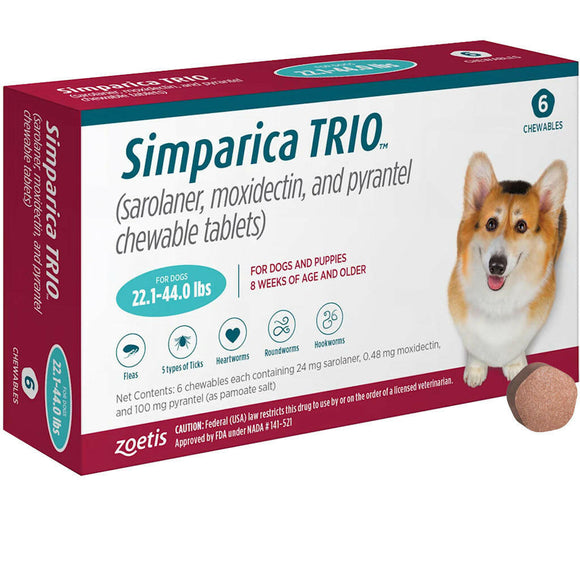
Simparica Trio for Dogs
Form: Monthly chewable tablet
Protects Against: Heartworm, fleas, ticks, roundworms, hookworms
Best For: Owners who want full-spectrum protection in a single dose
Pros: Broad-spectrum, highly palatable, convenient one-chew solution
Cons: Premium-priced; not ideal for dogs with ivermectin sensitivity.
Why owners choose it: Popular among households in high-risk regions where dogs are exposed to multiple parasites year-round. It simplifies protection and improves compliance in busy families.
2. Heartgard Plus for Dogs
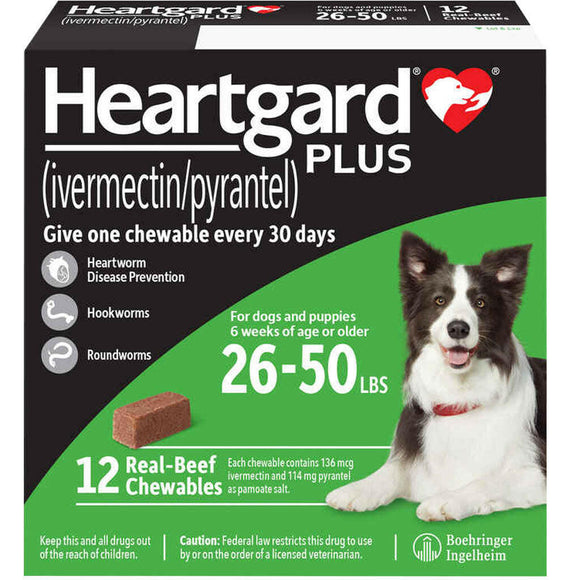
Heartgard Plus Chew for Dogs
Form: Monthly chewable
Protects Against: Heartworm, roundworms, hookworms
Best For: Dogs needing essential parasite protection at a reasonable cost
Pros: Trusted brand, long-standing safety record, highly palatable
Cons: Doesn’t protect against fleas, ticks, or whipworms
Why owners choose it: Heartgard Plus is our go-to for reliable heartworm prevention. We typically pair it with a separate flea/tick product to create a customized parasite control plan for each dog.
Still weighing your options? Dive into our side-by-side Simparica Trio vs Heartgard Plus comparison to better understand which one fits your pup’s needs.
3. Interceptor Plus for Dogs

Interceptor Plus Chew for Dogs
Form: Monthly chewable
Protects Against: Heartworm, roundworms, hookworms, whipworms, tapeworms
Best For: Dogs at risk for intestinal parasites, including tapeworms
Pros: Comprehensive intestinal worm coverage; great for outdoor dogs
Cons: Lacks flea and tick protection.
Why owners choose it: Especially valuable in rural areas where dogs are exposed to wildlife and zoonotic parasites. They also recommend it for multi-pet households with elevated hygiene needs.
4. Credelio Quattro for Dogs
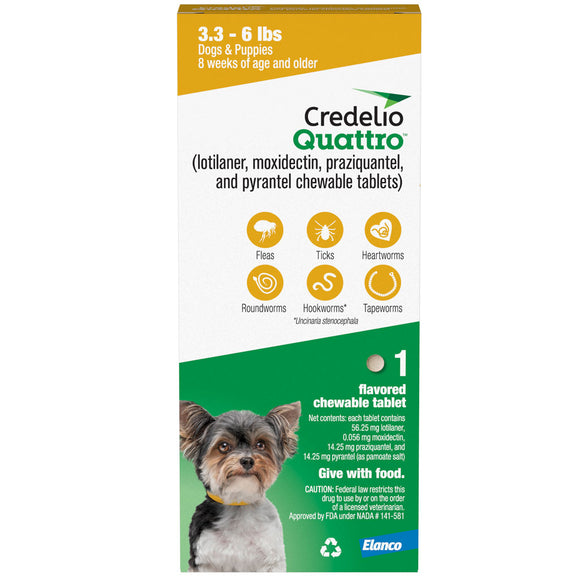
Credelio Quattro Flavored Chewable Tablets for Dogs
Form: Monthly chewable
Protects Against: Heartworm, fleas, ticks, roundworms, hookworms, whipworms
Best For: Pet parents wanting the latest, all-in-one oral protection
Pros: Broad-spectrum control in a single chew; newly formulated for improved digestibility
Cons: Early in rollout; availability may be limited in some clinics.
Why owners choose it: As a newly FDA-approved product, Credelio Quattro is quickly gaining favor for its broad parasite spectrum and appeal to dogs with picky palates. It's ideal for tech-savvy pet parents looking for next-gen protection.
5. Advantage Multi for Dogs

Advantage Multi Topical Solution for Dogs
Form: Monthly topical
Protects Against: Heartworm, fleas, roundworms, hookworms, whipworms, sarcoptic mange
Best For: Dogs with difficulty taking oral medications
Pros: Excellent internal and external parasite coverage
Cons: No tick protection; application can be messy
Why owners choose it: A great non-oral alternative that offers robust worm protection. It’s commonly recommended for toy breeds or dogs with dental issues or GI sensitivities.
6. Revolution Topical Solution for Dogs
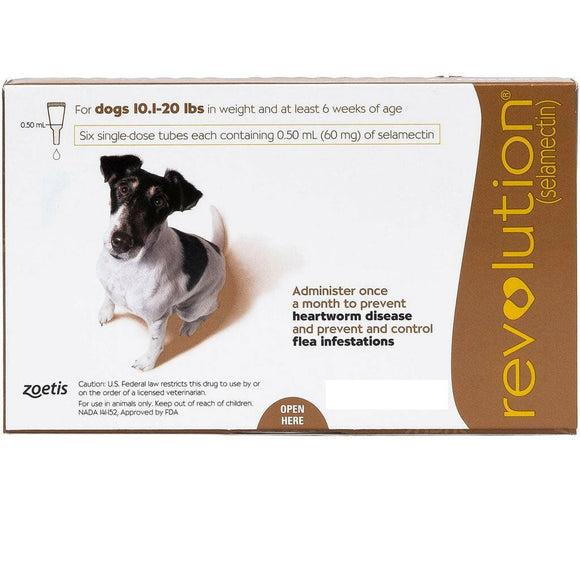
Revolution Topical Solution for Dogs
Form: Monthly topical
Protects Against: Heartworm, fleas, American dog tick, ear mites, and mange
Best For: Small or sensitive dogs with ear or skin issues
Pros: Gentle formula; ear mite and mange control included
Cons: No whipworm or tapeworm protection.
Why owners choose it: Frequently used for dogs with dermatological issues. It's mild, effective, and particularly suited for sensitive breeds like Yorkies, Maltese, and poodles.
7. Sentinel Spectrum Chews
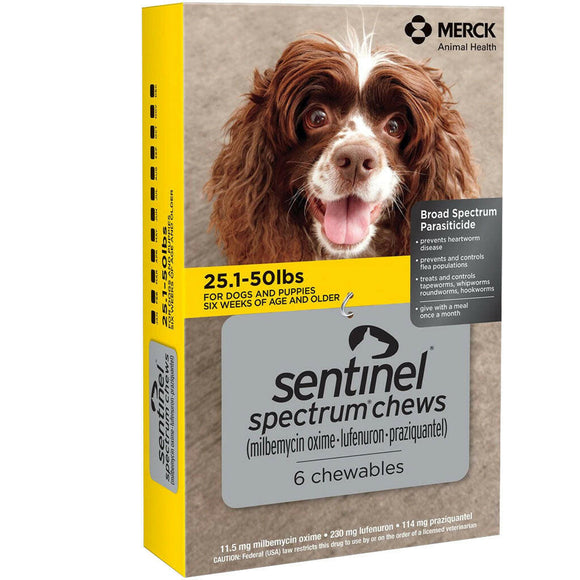
Sentinel Spectrum Monthly Chews for Dogs
Form: Monthly chewable
Protects Against: Heartworm, roundworms, hookworms, whipworms, tapeworms, flea egg sterilization
Best For: Households with kids or immunocompromised family members
Pros: Covers nearly all intestinal worms and halts flea reproduction
Cons: Does not kill adult fleas or ticks
Why owners choose it: Sentinel Spectrum is particularly useful for preventing flea infestation cycles. It’s an ideal choice for families with young children, where parasite cross-contamination is a concern.
8. Trifexis Chewable Tablets
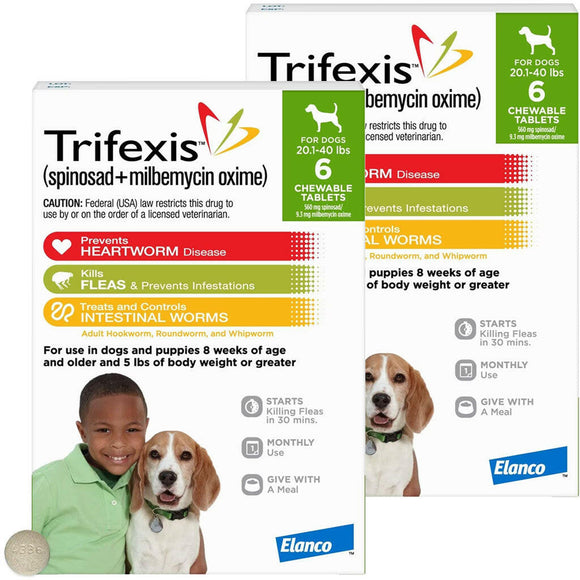
Trifexis Chewable Tablets for Dogs
Form: Monthly chewable
Protects Against: Heartworm, fleas, roundworms, hookworms, whipworms
Best For: Dogs in high flea zones with strong GI exposure
Pros: Fast-acting flea killer with broad deworming
Cons: Some dogs experience mild nausea or vomiting
Why owners choose it: It is great for dogs who need fast flea kill and robust worm protection. Typically advised giving it with food to reduce the risk of GI upset.
9. Parasedge Multi for Dogs
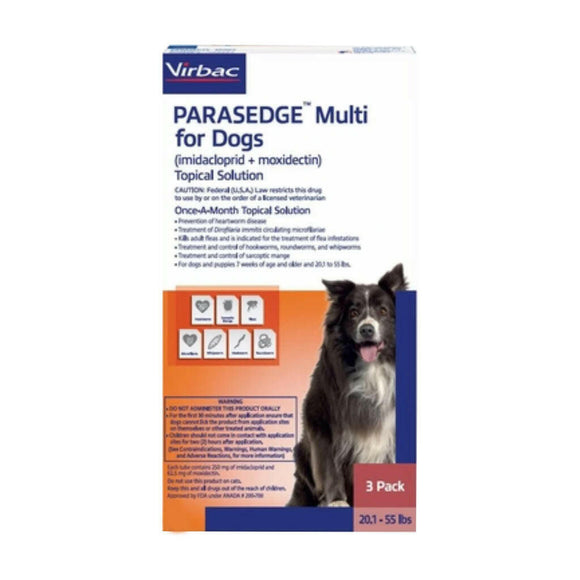
Parasedge Multi for Dogs
Form: Monthly topical
Protects Against: Heartworm, fleas, roundworms, hookworms, whipworms, and mange
Best For: Owners looking for a cost-effective Advantage Multi alternative
Pros: Budget-friendly, similar ingredient profile
Cons: No tick coverage; can cause oily fur or irritation if not applied properly
Why owners choose it: Parasedge Multi is a smart option when affordability is a priority. We recommend it for dogs who can’t handle oral meds but still need full internal protection.
10. Iverhart Plus Chewable Tablet
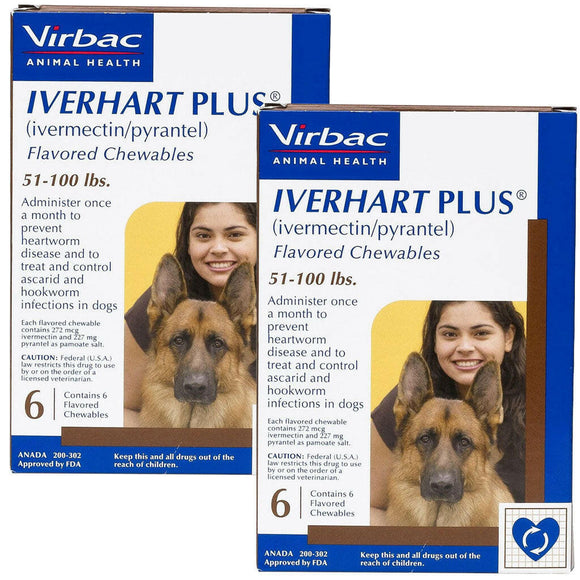
Iverhart Plus Chewable Tablet for Dogs
Form: Monthly chewable
Protects Against: Heartworm, roundworms, hookworms
Best For: Dogs in low flea/tick regions or on tight budgets
Pros: Reliable, simple worm prevention
Cons: Lacks whipworm, tapeworm, flea/tick coverage
Why owners choose it: A solid option for dogs who don’t need intense parasite protection.
Top Heartworm Medicines for Dogs - Comparison Table
|
Product |
Form |
Protects Against |
Best For |
Pros |
Cons |
|
Simparica Trio |
Chewable |
Heartworm, fleas, ticks, roundworms, hookworms |
All-in-one simplicity |
Full parasite coverage in one chew |
Higher cost, not for MDR1-sensitive breeds |
|
Heartgard Plus |
Chewable |
Heartworm, roundworms, hookworms |
Basic protection with good palatability |
Trusted, budget-friendly |
No flea/tick/tapeworm protection |
|
Interceptor Plus |
Chewable |
Heartworm, roundworms, hookworms, whipworms, tapeworms |
Dogs are at risk for intestinal worms |
Broad worm coverage |
Needs a separate flea/tick product |
|
Credelio Quattro |
Chewable |
Heartworm, fleas, ticks, roundworms, hookworms, whipworms |
Modern all-in-one users |
Newest oral combo option |
Limited clinic availability at launch |
|
Advantage Multi |
Topical |
Heartworm, fleas, roundworms, hookworms, whipworms, sarcoptic mange |
Dogs are intolerant of oral meds |
Great for GI-sensitive pets |
No tick protection |
|
Revolution |
Topical |
Heartworm, fleas, American dog tick, ear mites, sarcoptic mange |
Small breeds, skin/allergy-prone dogs |
Gentle topical ear mite treatment included |
No whipworm or tapeworm protection |
|
Sentinel Spectrum |
Chewable |
Heartworm, roundworms, hookworms, whipworms, tapeworms, flea sterilization |
Family homes with flea risk |
Excellent intestinal worm coverage |
Doesn’t kill adult fleas or ticks |
|
Trifexis |
Chewable |
Heartworm, fleas, roundworms, hookworms, whipworms |
Fast flea kill + deworming |
Great for flea-prone regions |
Possible GI side effects |
|
Parasedge Multi |
Topical |
Heartworm, fleas, roundworms, hookworms, whipworms, sarcoptic mange |
Budget-conscious topical users |
Cost-effective, internal coverage |
No tick protection; oily application |
|
Iverhart Plus |
Chewable |
Heartworm, roundworms, hookworms |
Minimalist users with low parasite exposure |
Simple, inexpensive worm control |
No coverage beyond basic worms |
Now that you've seen the top products side-by-side, you're probably wondering: how do veterinarians decide which preventative is the right fit for each individual dog?
It’s not a one-size-fits-all approach. Vets take into account a range of personalized factors, some clinical, some environmental, to match each dog with the safest and most effective protection strategy.
What Factors Do Vets Consider Before Prescribing Heartworm Prevention?
Veterinarians do not choose heartworm prevention based on one factor alone. They look at your dog’s medical history, parasite exposure, product label requirements, and how likely you are to give the product consistently:
- Breed-specific sensitivities and medication history: Some dogs may need extra caution based on breed-related drug sensitivity, prior medication reactions, or other health conditions. Instead of relying on broad ingredient shorthand alone, veterinarians review the exact product label, dose, and your dog’s history before recommending a preventive. This is especially important when choosing combination products, since safety considerations can vary by active ingredient and formulation
- Age, weight, and overall health: Heartworm preventives have specific minimum age and weight requirements, and some products may not be appropriate for every dog. Your veterinarian will consider your dog’s age, current weight, reproductive status, ongoing medications, and any underlying health issues before selecting a product. Using the exact label directions matters, especially in growing puppies and dogs with more complex medical histories.
- Regional parasite exposure and coverage needs: A dog living in a mosquito-heavy area may need dependable year-round heartworm prevention, while dogs in certain regions may also benefit from products that cover fleas, ticks, or intestinal worms. Veterinarians match the product to local parasite pressure and your dog’s daily lifestyle, including whether your dog hikes, visits dog parks, lives with other pets, or spends time outdoors near standing water.
- Owner routine and dosing preferences: Even the best preventive only works when it is given on schedule. If monthly dosing is difficult to maintain, your veterinarian may discuss longer-duration options, which are veterinarian-administered injectable heartworm preventives for eligible dogs. For owners who prefer monthly products, vets may recommend either chewables or topicals based on ease of use, skin sensitivity, and household preferences.
- Seizure history and product selection: If your dog has a history of seizures or neurologic events, bring that up before choosing an all-in-one flea, tick, and heartworm product. Some combination preventives include an isoxazoline, and the FDA has warned that drugs in this class have been associated with neurologic adverse events, including tremors, ataxia, and seizures in some dogs.
Understanding how veterinarians choose a product is just one part of the puzzle. The next step is ensuring it’s used safely and consistently.
Safest Heartworm Prevention for Dogs with Pre-existing Health Conditions
If your dog has a pre-existing health condition, choosing the right heartworm preventative for dogs matters a lot, especially under the following circumstances:
-
Liver Disease: Products like Heartgard Plus (ivermectin) and Advantage Multi (moxidectin) are processed through the liver. In dogs with compromised hepatic function, these drugs can accumulate rather than clear normally. Milbemycin-based options like Interceptor Plus are generally considered safer heartworm prevention for dogs with liver disease. Always consult your vet before dosing.
-
Long-Term Steroids: Dogs on prednisone have a suppressed immune response, which can allow dormant intestinal parasites to reactivate. A broad-spectrum option covering intestinal worms like Sentinel Spectrum or Interceptor Plus is preferable over basic ivermectin-only products for dogs on steroids needing heartworm medicine. Annual heartworm testing is non-negotiable for these dogs.
-
Congestive Heart Failure: For dogs already dealing with heart disease, heartworm prevention is still a must and even more important. Oral milbemycin-based preventatives are what most cardiologists recommend for these patients.
-
During Chemotherapy: Administer preventatives midway between chemo cycles, not immediately before or after treatment. Interceptor Plus is commonly preferred in oncology settings. Always consult both your oncologist and primary veterinarian for safe and effective heartworm preventive care.
Pro Tip: Before starting any heartworm prevention for dogs with specific health conditions, always consult your veterinarian.
Vet Tips for Safe and Effective Use of Heartworm Preventatives
Even the most advanced medication won’t protect your dog if it's skipped, dosed incorrectly, or started without proper testing. That’s why vets emphasize a few crucial practices every dog owner should follow to maximize protection and minimize risk.
Here’s what experts advise:
1. Start with the right testing plan: Before starting or restarting heartworm prevention, many dogs need to be tested first, but the timing depends on age. Dogs 7 months of age or older should be tested before prevention begins, while puppies can usually start prevention earlier based on the product label and then be tested later according to veterinary guidance. This helps confirm your dog is not already infected and supports safer, more effective long-term prevention.
2. Keep up with annual heartworm testing: Even dogs on year-round prevention should still be tested every year. Annual testing helps catch missed doses, vomiting after a dose, incorrect administration, or rare prevention failures that might otherwise go unnoticed.
3. Administer on a strict schedule: Timing matters. Most monthly oral and topical preventives work best when given consistently on time. Missing even one dose can reduce protection and increase the risk that immature heartworms continue developing.
4. Watch for side effects, especially with new products: Most preventives are well tolerated, but some dogs can have vomiting, diarrhea, lethargy, or other side effects. If your dog seems unwell after a dose, contact your veterinarian, especially if the product was newly started or includes flea and tick actives that may carry additional cautions.
5. Reassess as your dog grows or health needs change: Puppies outgrow weight ranges, adult dogs change routines, and senior dogs may develop new health concerns. Your veterinarian should review your dog’s preventive plan regularly to make sure the product and dose still fit.
6. Never share medication between pets: Heartworm preventives are dosed by species and weight. Giving the wrong product or dose to another pet can be unsafe, especially in multi-pet households with both dogs and cats
What Happens If Your Dog Misses a Heartworm Dose?
Heartworm preventatives for dogs are highly effective; each dose works retroactively to kill any larvae your dog may have picked up over the past 30 days. Most preventatives can clear out larvae up to roughly 45 days old. Beyond that window, larvae grow mature enough to resist the medication. Miss just one month of heartworm prevention dose, and there is a real chance that some larvae have already grown too large to be killed off by the next dose.
What to Do Based on How Long You Missed
-
A few days late: Give the dose immediately and resume your normal schedule.
-
2–4 weeks late: Do now and restart from that new date. Mention it to your vet at the next visit.
-
6+ weeks late: Don't resume without a vet consultation first. Your dog may need a heartworm test before restarting. Never double-dose to compensate for the gap.
Final Takeaways on Dog Heartworm Medications
Heartworm disease is preventable, but only when prevention is timely, consistent, and tailored to your dog’s needs. With so many options available in 2026, choosing the right product comes down to understanding your dog’s health, your environment, and your ability to stay on schedule.
At HardyPaw, we simplify that choice by offering a curated selection of vet-recommended heartworm preventatives, so you can shop confidently, knowing every product we carry meets rigorous safety and efficacy standards.
Ready to protect your pup? Browse our dog heartworm prevention collection and take the first step toward a heartworm-free year.
Best Dog Heartworm Medications FAQs
Can heartworm be transmitted from dog to dog?
No, heartworm is transmitted only through mosquito bites; dogs can't infect each other directly.
Can I buy heartworm preventives without a vet prescription?
No. In the United States, heartworm preventives are available by vet prescription only.
How does heartworm prevention work?
Heartworm preventives work by killing susceptible immature larval stages before they mature into adult heartworms. They are most effective when given on schedule year-round, because missed or delayed doses can leave gaps in protection.
What happens if my dog vomits after taking heartworm medicine?
If vomiting occurs within 1 hour, consult your vet, redosing may be required depending on absorption.
Can I give heartworm medicine without a test?
No. Dogs must test negative before starting prevention to avoid severe allergic reactions.
Is natural heartworm prevention effective?
No. No herbal or natural remedies are proven to prevent heartworm disease safely.
How is heartworm treated if prevention fails?
Treatment involves melarsomine injections, dog antibiotics, rest, and strict monitoring by a vet.
Does climate change affect heartworm risk?
Yes, warmer climates and longer mosquito seasons have increased year-round heartworm threats.
Can puppies get heartworm?
Yes. Puppies can be exposed to infected mosquitoes early in life, and many heartworm preventives can be started at 6 to 8 weeks of age, depending on the product label. Puppies do not always need testing before starting prevention, but they should be tested later based on age and veterinary guidance.
Is flea and tick prevention enough to stop heartworm?
No. Flea and tick meds don’t prevent heartworm; dedicated heartworm prevention is required.
Do puppies under 7 months need a heartworm test before starting prevention?
Not always. Puppies can often start heartworm prevention before 7 months of age, depending on the product label, and are usually tested later according to veterinary guidance. Dogs that are 7 months or older should generally be tested before starting prevention
What should I do if I miss one monthly dose?
Contact your veterinarian as soon as possible. A missed or delayed dose can reduce protection, and your vet may recommend giving the dose right away, adjusting the schedule, or testing later depending on how much time has passed.
Do indoor dogs still need heartworm prevention?
Yes. Mosquitoes can get indoors, which means indoor dogs are still at risk of exposure. Veterinary groups recommend year-round prevention because heartworm infection has been diagnosed in dogs across the United States.
Should I choose a monthly chew or a 6- or 12-month injection?
That depends on your dog and your routine. Monthly chewables may work well for owners who prefer at-home dosing and want combination parasite coverage, while veterinarian-administered injectable options may help owners who have trouble keeping up with monthly doses. Your veterinarian can help decide which approach best fits your dog’s age, health, and risk profile.
Subscribe to Media Posts
Recent Articles


