

Cat Joint Health: A Complete Guide for Caring Cat Parents
Manan Chawla 9 min read

Cats move with a kind of elegance that never goes unnoticed. Whether they are springing onto a countertop or landing smoothly after a jump, strong and healthy joints make all of it possible. Yet joint health is rarely something cat owners think about until a problem becomes obvious.
What many people do not realize is how common joint issues actually are in cats. Because cats instinctively hide discomfort, early signs like stiffness or soreness are easy to miss. This guide breaks down the basics of cat joint health, helping you recognize subtle changes, make smarter decisions, and keep your cat comfortable through every stage of life.
Understanding Joint Health in Cats
Joint health is all about how easily your cat can move and stay active without discomfort. Inside each joint are cartilage, joint fluid, and connective tissues that work together to absorb impact and keep movement smooth.
As time passes, these parts can slowly break down. Factors like aging, genetics, weight, and how active your cat is can all affect joint condition. When cartilage wears thin or joints lose lubrication, movement may start to feel stiff, even if your cat does not openly show pain.
Joint care is not only for older cats. Giving joints support early on helps preserve flexibility, comfort, and mobility well into the future.
Why Cats Hide Joint Discomfort So Well
Cats evolved to mask weakness as a survival instinct. In the wild, showing pain made them vulnerable. That instinct still exists today, even in the safest home.
Because of this, cats rarely cry out or limp dramatically when something hurts. Instead, joint discomfort often shows up as subtle changes in behavior and routine. These changes are easy to dismiss as normal aging or mood shifts, but they are often the first signs that joint support is needed.
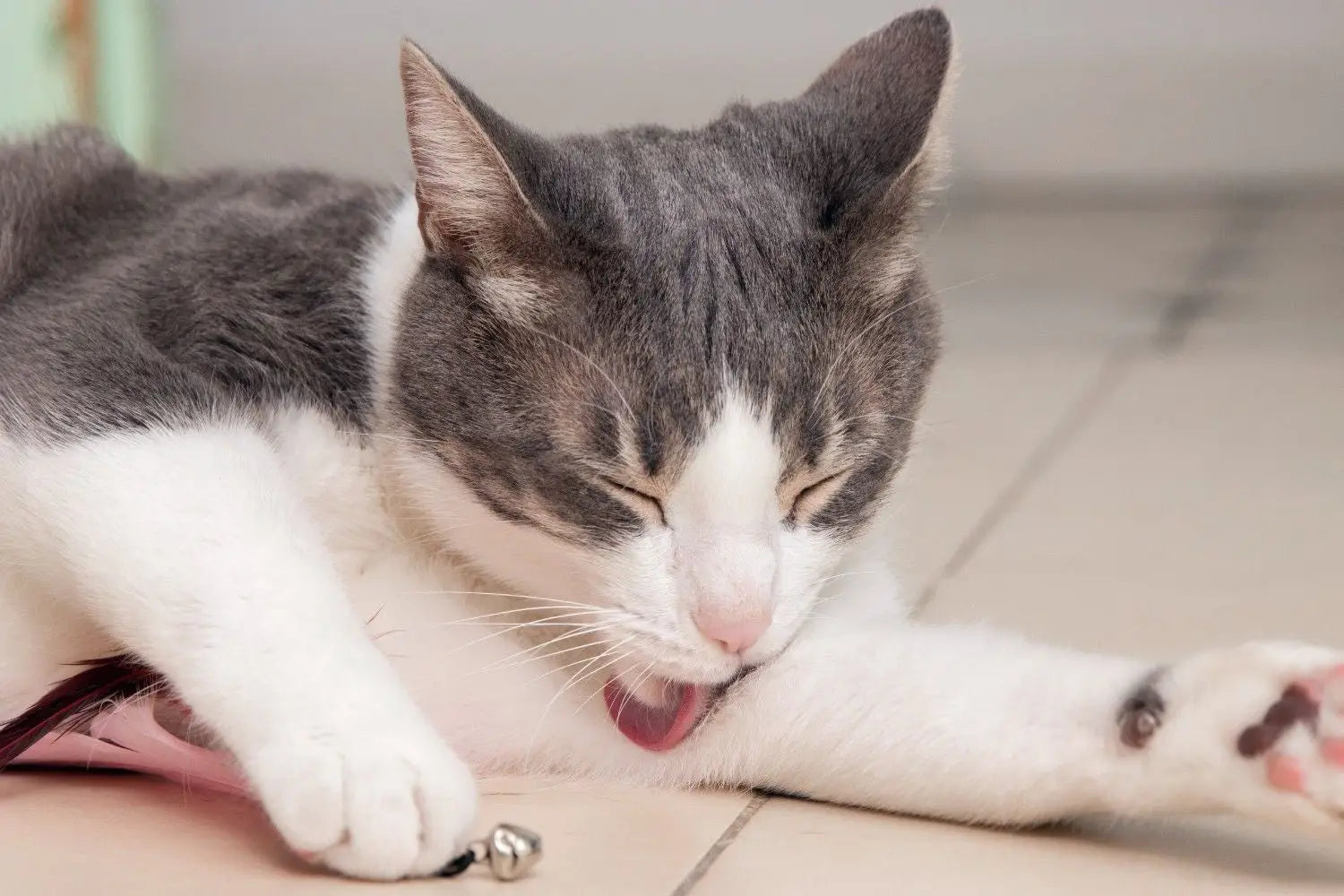
Common Signs of Joint Issues in Cats
Learning to recognize early signs is one of the most important parts of protecting your cat’s joint health.
Physical Signs to Watch For
1. Hesitation before jumping onto furniture or counters
2. Stiffness after resting or sleeping
3. Difficulty using stairs or climbing cat trees
4. Limping or an uneven walk
5. Reduced grooming or a rough, unkempt coat
6. Excessive licking around joints
Behavioral Changes That Matter
1. Less interest in play
2. Sleeping more than usual
3. Irritability or increased sensitivity to touch
4. Avoiding social interaction
5. Changes in litter box habits
Even one or two of these signs can indicate joint discomfort, especially if they appear gradually.
4-in-1 Care for Cats

✔ Joint Health
✔ Better Immunity
✔ Oral Health
✔ Healthy Skin & Coat
What Causes Joint Problems in Cats?
Several factors can contribute to declining joint health.
Age
As cats age, cartilage naturally wears down, and joint fluid production can decrease. This makes joints less cushioned and flexible.
Weight
Extra pounds add strain to joints, often leading to faster wear and reduced comfort.
Genetics
Some cats are simply more likely to develop joint issues because of inherited traits or the way their bodies are built.
Past Injuries
Even injuries that seemed small when they happened can come back to affect joint health later in life.
Activity Level
Too much strain or not enough movement can both take a toll on joint health as time goes on.
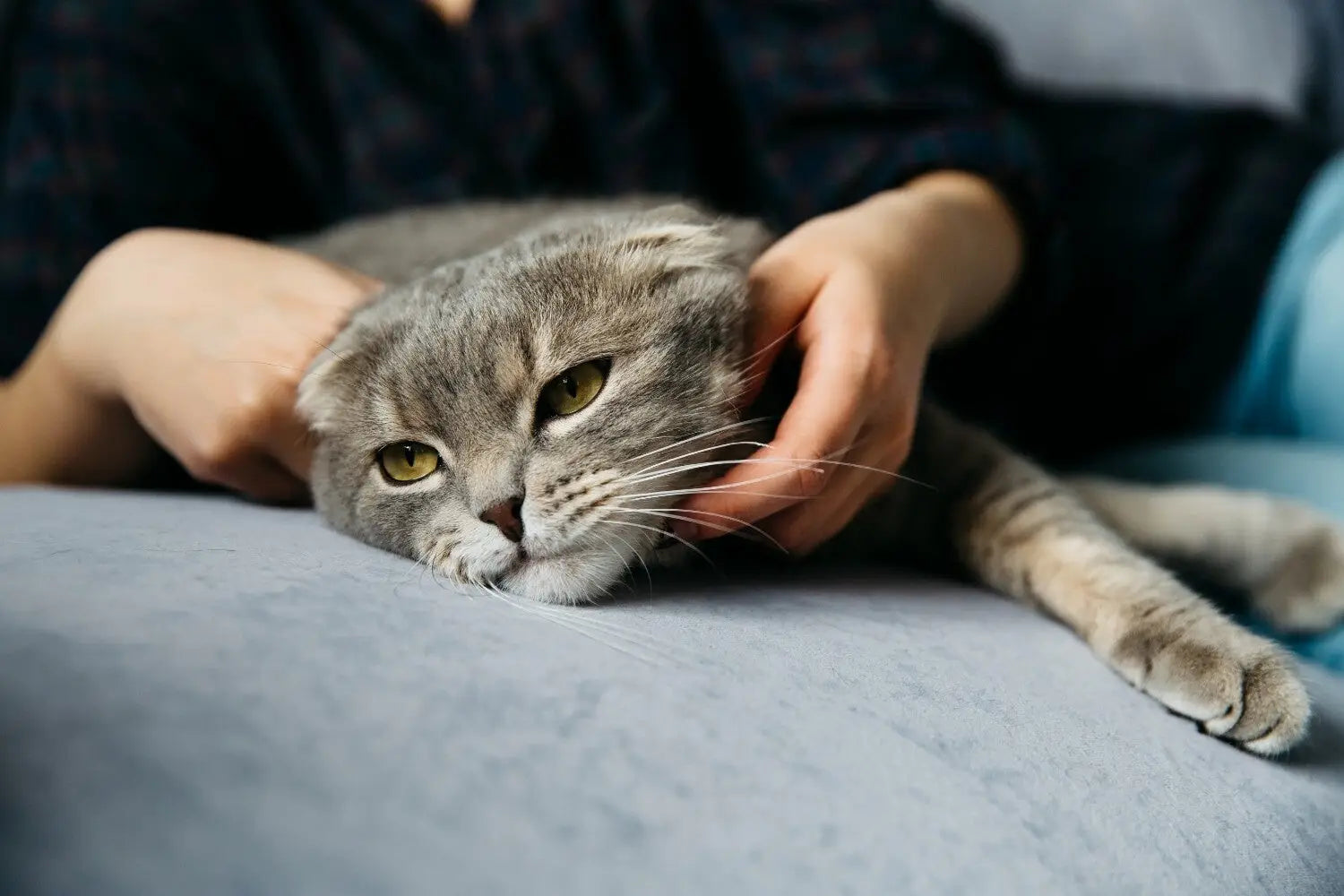
Preventive Joint Care vs Supporting Existing Joint Issues
Not all cats need joint support for the same reasons. Understanding where your cat falls helps you take the right approach without overdoing it or acting too late.
a. Preventive Joint Care
Taking a preventive approach means caring for your cat’s joints before stiffness or discomfort ever starts. This is especially beneficial for adult cats, active cats, larger breeds, and those with a history of intense play or frequent jumping. The goal is long-term joint comfort, flexibility, and healthy movement.
b. Supporting Existing Joint Discomfort
When a cat begins to slow down or hesitate, focused joint care becomes essential. Consistent support plays a key role in managing these changes. Using supplements alongside simple lifestyle adjustments and weight management can help reduce joint stress and support daily movement.
Recognizing whether you are preventing or supporting helps set realistic expectations and ensures you take action at the right stage.
Everyday Lifestyle Factors That Impact Cat Joint Health
Joint health is influenced by more than age alone. Many modern lifestyle factors quietly affect how a cat’s joints feel over time.
Indoor cats often move less than those that go outside, which can slowly reduce the strength of the muscles that keep their joints stable. Smooth, hard flooring can cause slipping, making simple movements harder on their bodies. Frequent leaps onto elevated surfaces can add repeated impact on the joints, especially in cats that love to climb and jump.
Simple awareness of these factors allows you to adjust your home and routines in small ways that reduce unnecessary joint stress while keeping your cat active and confident.
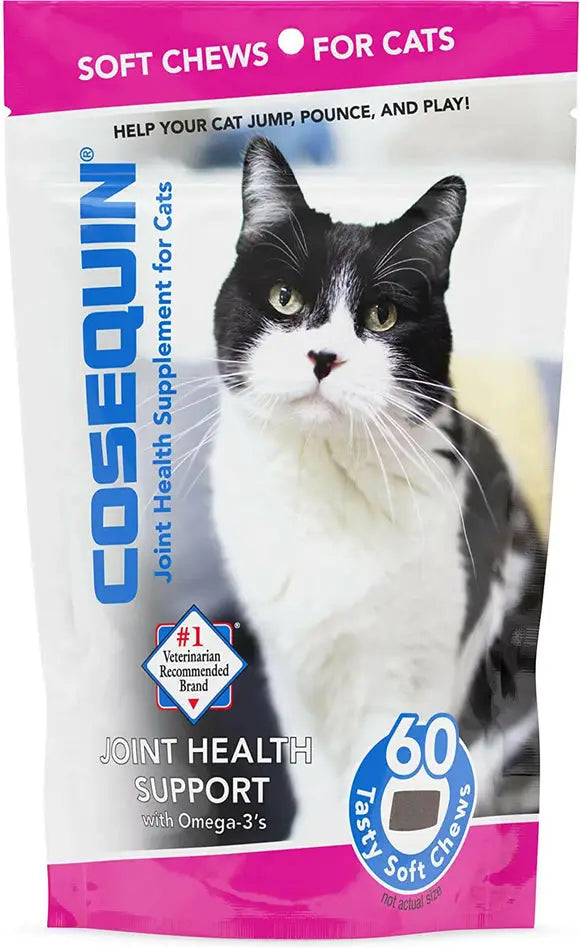
How Joint Support Supplements Help Cats
Joint supplements are made to support what’s happening inside your cat’s joints, not to act as quick pain relievers. Instead of masking discomfort, they focus on nourishing cartilage, keeping joint fluid healthy, and helping the body’s natural repair systems do their job.
With regular use, joint supplements may:
1. Help keep cartilage strong and resilient
2. Support smooth joint movement through proper lubrication
3. Gradually ease stiffness
4. Make everyday movement feel easier
5. Promote long-term joint health
They are most effective when started early and combined with a well-rounded joint care plan.
Key Ingredients That Support Cat Joint Health
Not all supplements are created equal. The effectiveness of a joint supplement depends entirely on what is inside it.
Chondroitin
Chondroitin is one of the most important ingredients for joint health. It is a natural part of cartilage that helps hold moisture within the tissue. This allows joints to stay cushioned, flexible, and better able to handle impact.
Why Ingredient Quality Matters
Purity and sourcing matter just as much as the ingredient itself. Low-quality formulas may include fillers, artificial additives, or ineffective doses. A clean, transparent formula focused on proven ingredients is always the better choice.
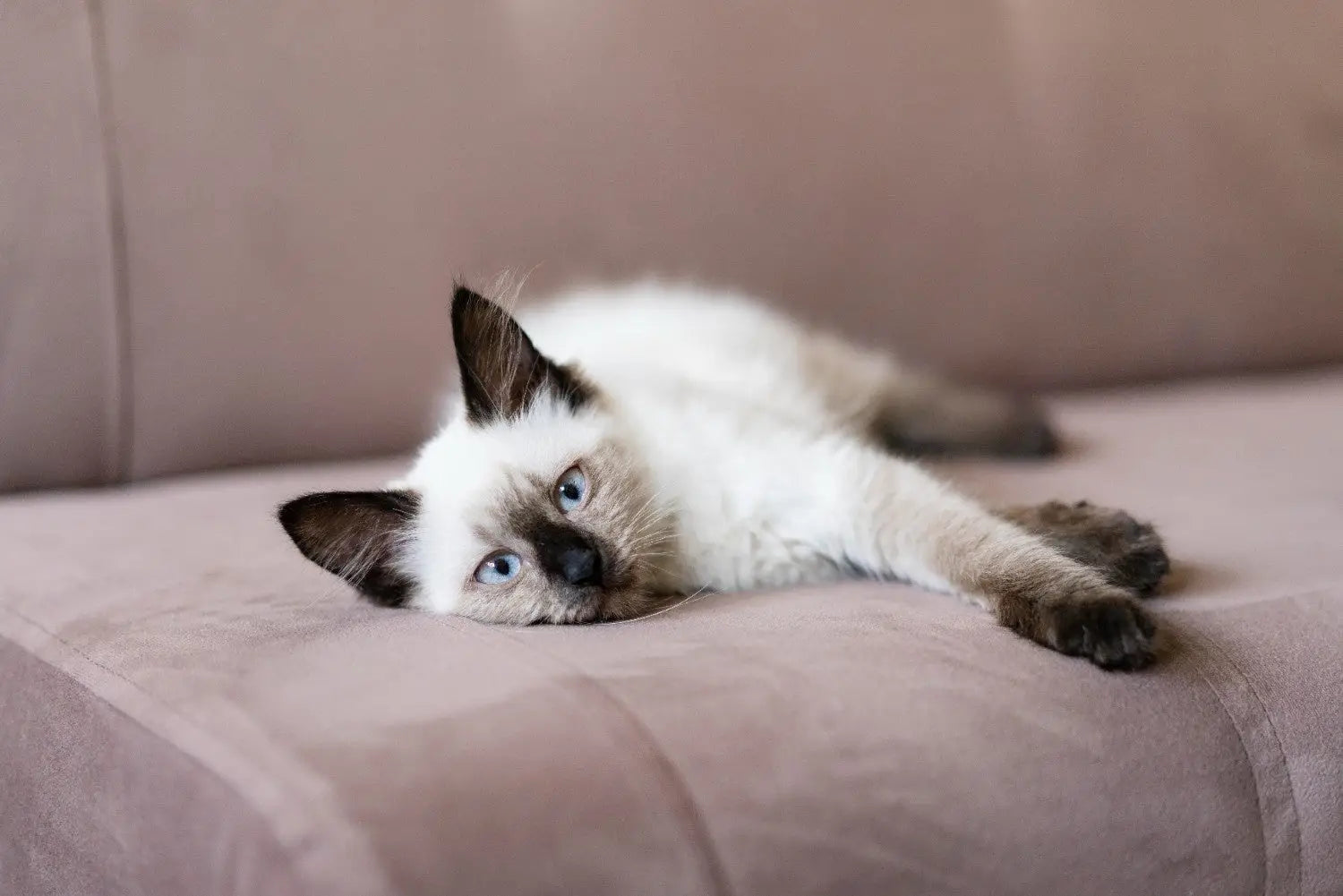
Ingredients to Be Cautious About
Because the pet supplement industry isn’t tightly regulated, it’s especially important to read labels carefully. Some products include ingredients that offer little benefit or may even be unnecessary.
It’s best to avoid supplements that contain:
1. Artificial colors or flavoring
2. Chemical preservatives
3. Large amounts of fillers
4. Ingredients listed in unclear or vague terms
5. Missing details about sourcing or proper dosage
A short, clear ingredient list is usually a sign of higher quality.
Picking the Best Joint Supplement for Your Cat
Selecting the right supplement is about balancing science with practicality.
Choose a Form Your Cat Will Accept
Cats are selective. A supplement only works if your cat takes it consistently. Liquid and powder forms are often easier to mix into food, making daily use stress-free.
Follow Proper Dosage
Always stick to the suggested dose based on your cat’s age and weight. Giving extra will not improve results, and regular, consistent use is far more important than higher amounts.
Talk to Your Veterinarian
Your vet understands your cat’s health history and can help you decide when joint support is appropriate. Supplements work best when used alongside professional guidance.

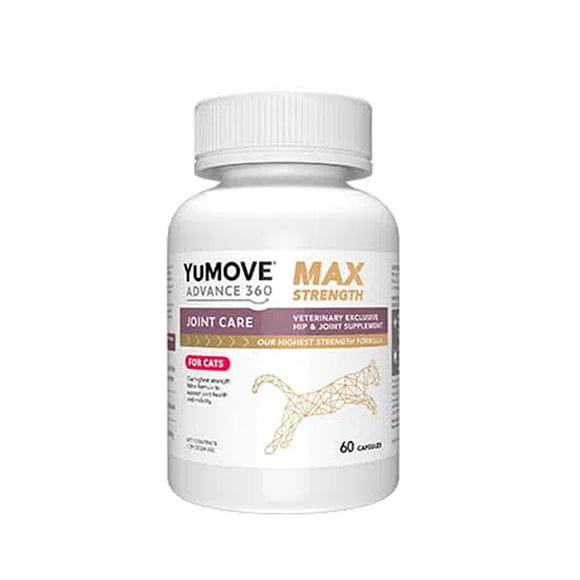
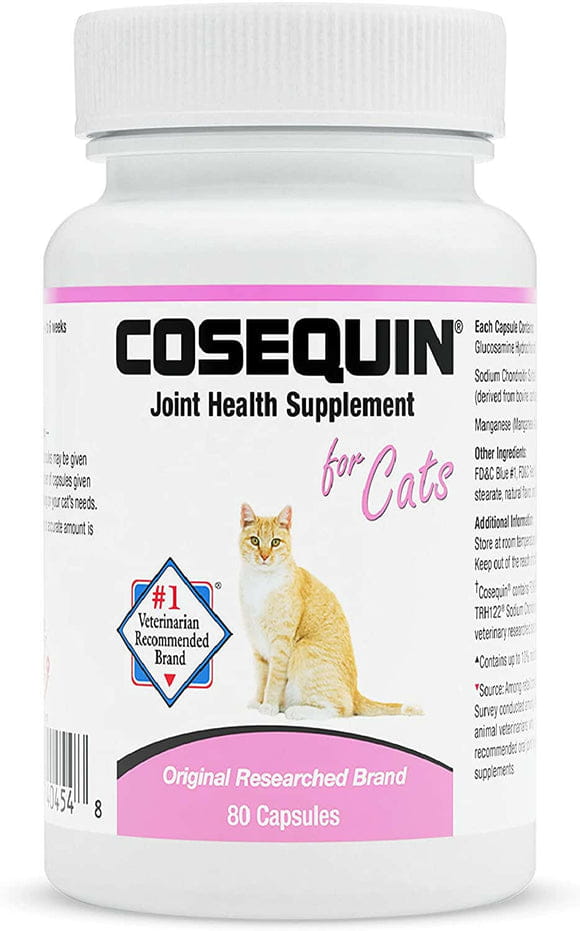

Creating a Joint-Friendly Home Environment
Supplements work even better when paired with simple changes at home.
Make Movement Easier
1. Add steps or ramps to favorite resting spots
2. Use non-slip rugs on smooth floors
3. Choose low-entry litter boxes
Support Rest and Recovery
1. Provide soft, supportive bedding
2. Place beds in warm, quiet areas
Encourage Gentle Activity
Regular, low-impact play keeps joints flexible and muscles strong without overexertion.
Managing Weight for Better Joint Health
Maintaining a healthy weight is one of the most powerful ways to protect your cat’s joints. Extra pounds increase strain and accelerate joint wear.
Balanced nutrition, portion control, and gentle daily movement all play a role in keeping joints comfortable.
What to Expect When Supporting Joint Health
Joint support takes time. Supplements build gradually in the body, so results are not immediate.
Typical Timeline
1. First few weeks: internal joint support begins
2. After several weeks: subtle improvements in movement and activity
3. Long term: improved comfort and maintained mobility
Small changes matter. Easier jumps, increased play, and improved grooming are all positive signs.
When to Adjust Your Approach
If you do not notice improvement after consistent use, consult your veterinarian. Joint care is not one-size-fits-all, and adjustments may be needed.
Combining joint support with weight management, home modifications, and veterinary care offers the best results.
Supporting Your Cat’s Comfort for Life
Joint health is about more than managing problems. It is about preserving your cat’s independence, confidence, and joy in everyday movement.
By staying observant, choosing high-quality joint support, and creating a joint-friendly environment, you give your cat the best chance at a comfortable, active life at every age.
Caring for joint health is one of the most meaningful ways to support your cat’s long-term wellbeing, and small, thoughtful steps today can make a lasting difference tomorrow.
Frequently Asked Questions
Q1. At what age should I start thinking about my cat’s joint health?
Ans: Joint health is not only a concern for senior cats. While stiffness becomes more noticeable with age, joint wear can begin much earlier. Active cats, larger breeds, or cats with past injuries may benefit from early support. Paying attention to movement, flexibility, and behavior in adult cats helps you act before discomfort affects their quality of life.
Q2. How can I tell the difference between normal aging and joint discomfort in cats?
Ans: Normal aging may involve a slight slowing down, but joint discomfort usually comes with behavioral or movement changes. Hesitation before jumping, avoiding stairs, reduced grooming, or increased irritability are common signs. Since cats hide pain well, consistent changes in daily habits are often more meaningful than obvious limping or vocal signs.
Q3. Are joint supplements safe for long-term use in cats?
Ans: High-quality joint supplements made specifically for cats are generally safe for long-term use when given at the correct dosage. Ingredients like chondroitin are naturally present in the body and support joint structures over time. It is always best to discuss long-term supplementation with your veterinarian, especially if your cat has other health conditions.
Q4. Can diet and weight really make a difference in my cat’s joint health?
Ans: Yes, diet and weight play a major role in joint health. Extra weight places added pressure on joints, increasing wear and discomfort. A well-rounded diet that helps maintain a healthy weight, along with light daily activity, reduces stress on the joints and helps supplements and other supportive care work more effectively.
Q5. How long should I wait before expecting to see improvements in my cat’s mobility?
Ans: Joint support works gradually, not overnight. Most cats require a few weeks of steady support before you see clear changes. Early signs of progress may show up as smoother movement, increased playfulness, or less reluctance to jump. Ongoing care is about keeping cats comfortable and slowing joint wear over time, not delivering quick fixes.
Related Articles


Recent Articles