


Maybe it’s the gray muzzle, the slow tail thump, or the way an older cat settles like they’ve been waiting for you all along. Senior pets don’t demand attention; they deserve it.
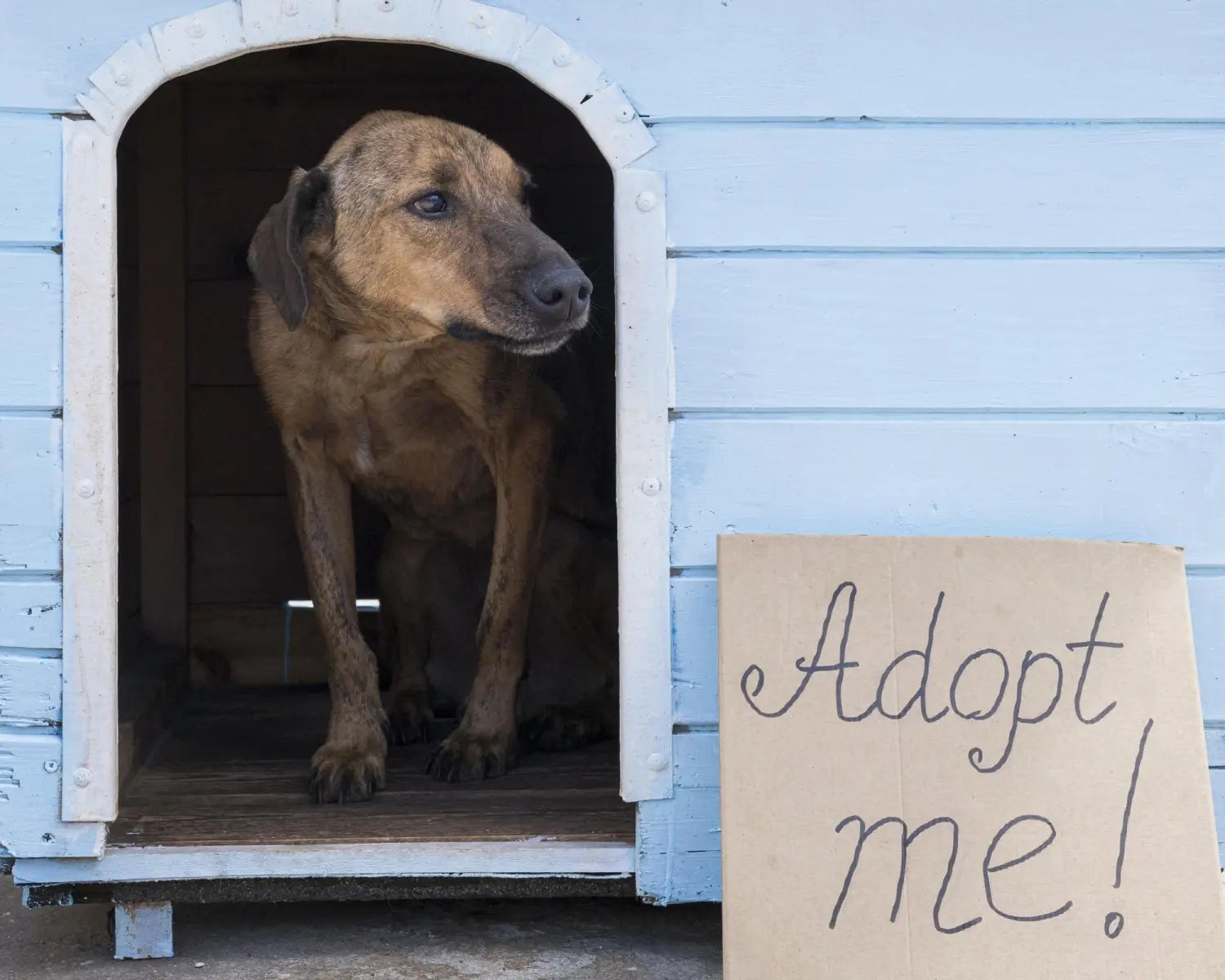
November is National Senior Pet Month & Adopt a Senior Pet Month – a rightful time for dogs and cats in their golden years to be in the spotlight. They come with known personalities, calmer energy, and often, house manners already in place. Adopting a senior isn’t a compromise; it’s choosing instant companionship and making their final chapters the best ones yet.
Key Takeaways
In this guide, you’ll discover 7 simple ways to celebrate – from adopting or sponsoring a senior, to gentle routines, senior-friendly home upgrades, and smart care basics. Along the way, we’ll share why seniors are the easiest “yes,” how to prepare in an afternoon, and the thoughtful products that keep older pets comfortable. Ready to meet your new favorite hello?
What is Adopt a Senior Pet Month – and why it matters
Adopt a Senior Pet Month (every November) shines a light on pets most likely to be overlooked. Senior pet care doesn’t mean complicated – it means thoughtful: comfort, predictable routines, and preventive checkups. Awareness translates into shorter shelter stays, fewer fees, and more golden-years cuddles at home.
What counts as “senior”?
- Cats: often 10+ years.
- Dogs: vary by size; large/giant breeds reach senior years earlier.
Why Adopting a Senior Pet is Better
Choosing to adopt a senior dog or adopt a senior cat is good for them, and honestly, good for you.
For pets:
- Shorter shelter time, lower stress, a safe place to exhale.
- Their known temperament helps them land in the right home the first time.
For people:
- Predictable personalities and calmer energy – easy to fit into busy lives.
- Often housetrained/litter-trained and familiar with basic cues.
- The bond feels instant; seniors seem to know you chose them.
- You’ll change a life that’s been waiting – and feel it every day.
How easy it is to prepare to bring home a senior pet
- Same-day setup: quiet rest zone, orthopedic bed, raised bowls, night-light, litter/potty schedule, and a slow tour of the home. Keep first introductions short and sweet.
- Why adaptation is fast: seniors love predictable routines and already know how to be in a home. Many settle within days with steady meals, gentle walks or play, and kind boundaries.
- Senior dog care & senior cat care, made simple: a gradual food transition (7-10 days), short low-impact exercise, brushing, and daily tooth care. That’s it – simple, repeatable, compassionate.
7 ways to celebrate Senior Pet Month
Welcoming a new member to the family is a big transition, but it can be made easier by understanding senior pets' needs and preparing for it.
1. Visit your local shelter: adopt, foster, or sponsor a senior
November is Adopt a Senior Pet Month – the perfect time to meet calm, silver-muzzled companions. If you can’t adopt, foster for a weekend, or sponsor dental/bloodwork for a senior cat or dog.
2. Make home accessible for aging bodies
Add ramps/steps to favorite perches, place non-slip rugs, and reduce hazards so seniors can nap by the window or join you on the couch without strain.
3. Keep routines steady (change can confuse)
Older pets thrive on predictability. Avoid big furniture moves or sudden schedule shifts, as cognitive changes and arthritis can make adaptation harder.
4. Bathroom & litter box tune-ups
Offer more frequent potty breaks for dogs; for cats, add extra litter boxes (one per floor) and choose low-sided boxes to help stiff joints. Puppy pads can be a safety net during transitions.
5. Gentle grooming + soothing touch
Daily brushing prevents mats and boosts circulation; keep nails short for comfortable walking. A light, consent-based massage can ease soreness and anxiety – start gently and avoid bony areas.
6. Senior nutrition = portion control + weight management
As activity drops, adjust calories to prevent weight gain and joint stress; your vet may suggest a senior diet for dogs or cats. (Obesity raises health risks – prevention matters.)
7. Book a wellness baseline (then stay proactive)
Schedule a checkup to screen for subtle issues (dental disease, mobility pain, organ changes). Many vets recommend more frequent visits for seniors to catch problems early.
Bonus: When you adopt a senior pet, you gain a known personality, calmer energy, and instant companionship – plus you shorten a shelter stay for a pet who’s been waiting.
How to Make the Adoption a Seamless Transition
These high-impact upgrades keep aging bodies comfy and confident.


