


Watching your dog constantly scratch or chew at their skin can be heartbreaking. You just want to see them happy and comfortable, not irritated and restless.
Itchy skin is one of the most common reasons dogs are taken to the vet. In fact, studies show that up to 20% of veterinary visits involve skin-related issues like pruritus (itchiness), highlighting how widespread and impactful this problem is.
The good news? Understanding what triggers your dog’s itching is the first step to relief. By identifying common causes and applying simple home care tips, plus consulting your vet when necessary, you can help your furry friend feel comfortable and enjoy life itch-free.
What is causing your dog’s itchy skin?
Getting itchy skin depends on where your dog plays, sleeps, or roams. Some dogs get itchy after a walk in tall grass, while others react to their dinner bowl. And just when you think you've figured it out, the scratching comes back. That’s because the causes of itchy skin can vary widely from dog to dog, and often, there’s more than one culprit at play.
So, there is no one-size-fits-all answer to your dog's itchiness, because it can come from many sources. Some of the most common culprits include:
Allergies
Allergies in dogs happen when their immune system reacts to normally harmless substances, such as pollen, mold, dust mites, food ingredients, or even cleaning products. This overreaction leads to inflammation and itchy skin. Among the different types, atopic dermatitis (a genetic, chronic skin condition linked to environmental allergens) and contact dermatitis (skin inflammation from direct exposure to substances like grass, chemicals, or shampoos) are common culprits.
Dogs can develop allergies at any age, but certain breeds are more genetically prone. Symptoms might worsen at specific times of year or after exposure to new environments.
Signs of Allergies:
- Red, inflamed skin, particularly on the paws, face, belly, or ears
- Nonstop licking, chewing, or rubbing (especially at the paws and face)
- Frequent scratching or head shaking
- Chronic ear infections or watery eyes
- Bald patches, scabs, or recurring rashes
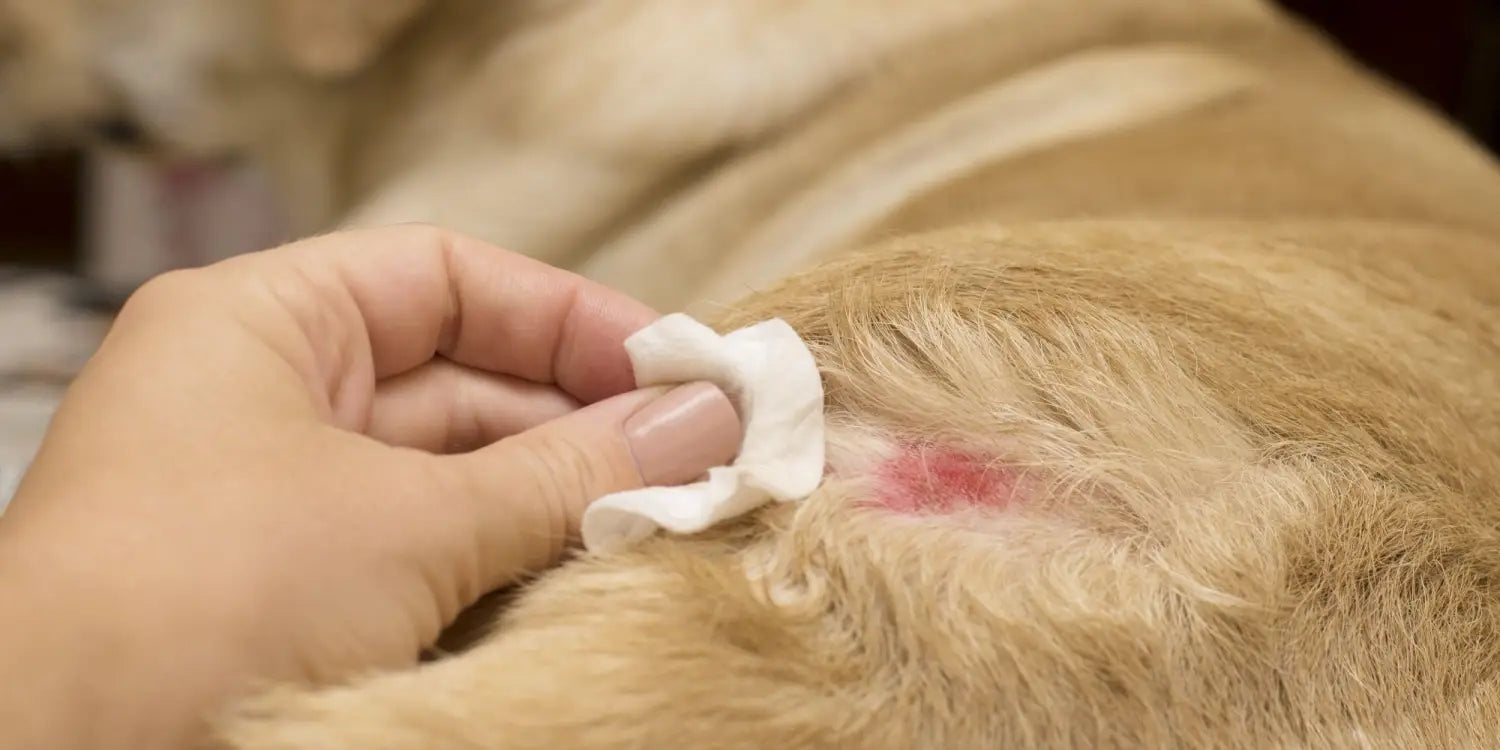 Why Early Attention Matters:
Unmanaged allergies, especially atopic or contact dermatitis, can quickly escalate, leading to secondary infections, persistent wounds, or long-term skin damage. Early identification and management are crucial for your dog's comfort and health.
Prevention and Treatments
- See your vet for allergy testing (blood tests, skin tests) or food elimination trials. Tailor-made plans get the best results.
- Hypoallergenic shampoos and gentle grooming help soothe the skin and remove allergens after walks.
- Omega-3 fatty acid supplements support the skin’s barrier and reduce inflammation.
- Keep the environment clean: Vacuum frequently, wash bedding, and use air purifiers to minimize airborne triggers.
- Medications: Your vet may recommend prescription meds for more severe allergies to relieve itching and control inflammation.


Taking prompt action and ongoing care will help prevent flare-ups, manage chronic allergies, and ensure your dog can enjoy life comfortably and happily.
Dry Skin
Dry skin in dogs occurs when their skin lacks moisture or natural oils, often due to cold weather, overbathing, or harsh grooming products.
Dogs can get itchy, flaky skin like humans in dry or cold climates. Some breeds with thin coats or sensitive skin are more prone to dryness. Signs of dry skin:
- Flaky, dandruff-like skin.
- Red, irritated patches or cracks in the skin.
- Excessive scratching or rubbing against furniture.
- Dull, brittle fur.
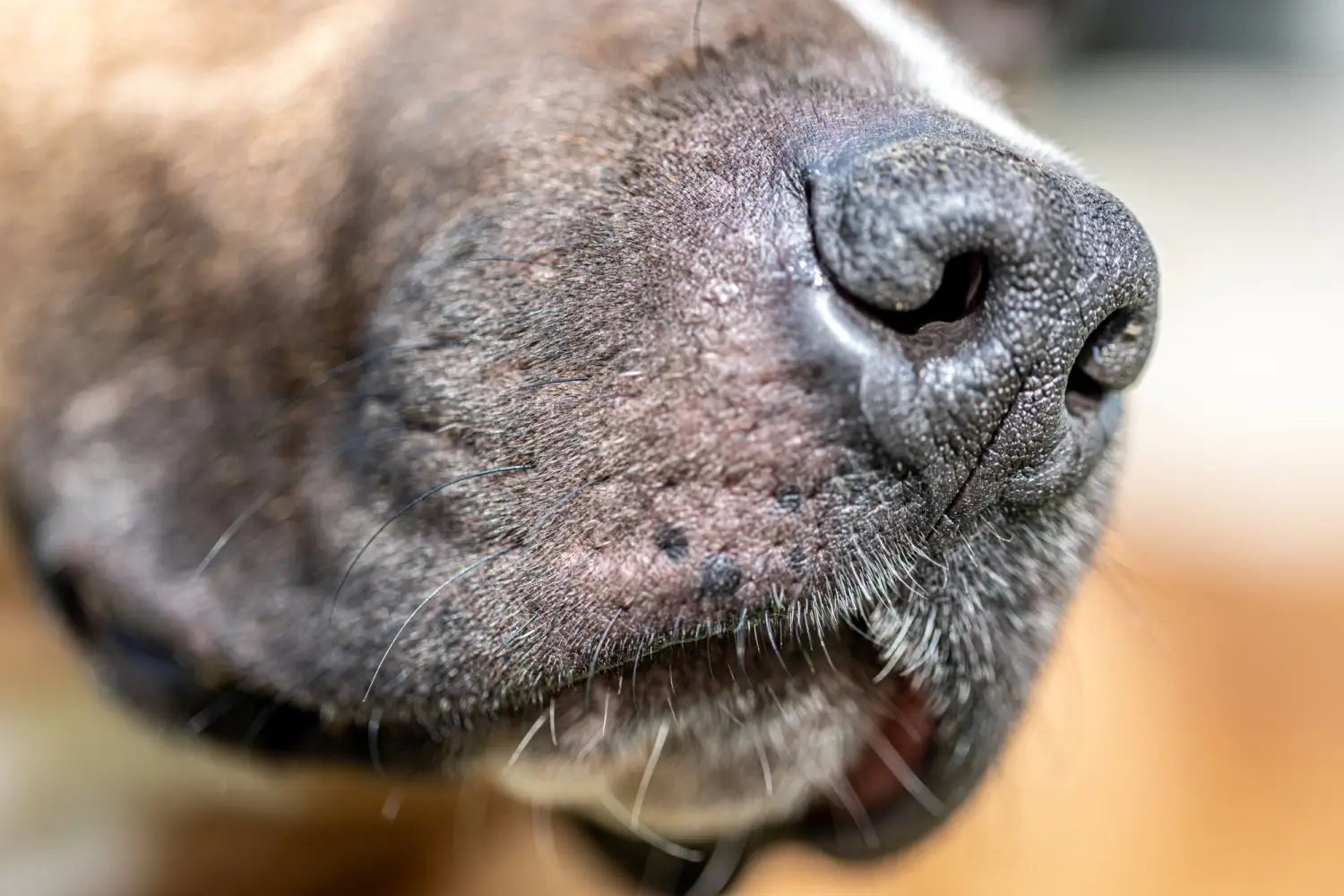 Why It’s So Important to Address Dry Skin:
Ignoring dry skin issues can eventually lead to open wounds, infections, and ongoing discomfort.
Prevention and treatment:
- Switch to moisturizing or oatmeal shampoos.
- Avoid over-bathing, especially during winter.
- Add healthy fats (like omega-3s) to your dog’s diet.
- Keep your home humidified when indoor air is dry.
Keeping your dog’s skin hydrated can prevent dryness-related itching and promote a shiny, healthy coat.

Infections
Bacteria, yeast, or fungi can cause skin infections in dogs, often resulting from broken or irritated skin.
Even minor cuts or scratches can allow microbes to invade, turning a minor irritation into a full-blown infection. Warm or moist areas like ears and paws are easily vulnerable. Signs of infection:
- Red, swollen, or inflamed areas.
- Pus, discharge, or a foul smell from affected skin.
- Hot, painful spots when touched.
- Crusty or weepy skin, often near the paws, ears, or face.
Why Address Infections at Early Stages?
Infections can spread quickly, cause significant discomfort, and may become chronic if not treated promptly.
Prevention and treatment:
- Take your dog to the vet for an accurate diagnosis.
- Use topical creams, antibiotics, or antifungals.
- Dry the infected areas and clean them during healing.
- Address any underlying cause (like allergies or parasites) to prevent recurrence.
Catching and treating skin infections early keeps your dog comfortable and avoids more serious health complications.

Environmental Factors
Environmental triggers, like weather changes, pollen, mold, or humidity, can irritate your dog’s skin and lead to seasonal or chronic itching.
Dogs are constantly exposed to their surroundings, and shifts in temperature, moisture levels, or allergens can wreak havoc on sensitive skin. Signs of environmental irritation:
- Increased scratching or licking in dry or humid conditions.
- Rough, cracked skin in colder months or hot, red patches in summer.
- Excessive paw licking after walks in certain weather.
Why It’s Important to Address Environmental Triggers?
Prolonged exposure to outdoor irritants can lead to chronic skin inflammation and heighten your dog's sensitivity over time.
Prevention and Treatment:
- Rinse or wipe your dog’s paws and fur after walks.
- Use indoor air purifiers and wash bedding regularly.
- Watch for seasonal patterns and talk to your vet about allergy relief.
- Apply topical sprays or soothing creams as needed.
Managing your dog’s exposure to environmental stressors is key to preventing flare-ups and keeping their skin balanced year-round.

Ease Your Dog's Itchy Struggles
Itchy skin can make life miserable for dogs and stressful for their owners. Understanding the causes – from pesky fleas and allergies to the impact of climate – is the first step in helping your pup find relief. Whether it’s through home remedies, vet care, or simple lifestyle changes like diet and grooming, there are plenty of ways to soothe that scratching.
If your dog constantly scratches their belly with their hind legs or bites at their paws, don’t hesitate to consult your veterinarian. Together, you can create a plan to restore your dog’s comfort and keep their skin healthy during this Itchy Pet Awareness Month.
Frequently Asked Questions
What can I provide my dog to relieve itchy skin?
Depending on the cause, your vet might recommend antihistamines, medicated shampoos, omega-3 supplements, or prescription medications.
What are the common causes of itchy dogs?
Allergies (environmental or food) and flea infestations top the list. Seasonal allergies can cause cycles of itching, especially in spring and summer.
Why is my dog so itchy, but does not have fleas?
Your dog might have environmental allergies, dry skin, yeast or bacterial infections, or other parasites like mites. A vet exam is vital to rule out these causes.
How do I stop my puppy from itching?
Try a gentle, puppy-safe shampoo, check for fleas, consider a hypoallergenic diet, and consult your vet if it persists.
Related Articles


Recent Articles


