


Summer is here, bringing endless opportunities for pool dips, lake outings, and beach adventures - not just for us, but for our furry friends too. While these moments are full of joy, they can also open the door to a problem many pet parents don’t anticipate: swimmer’s ear infections in pets.
These infections are more common than you might think and can develop in pets of all ages after frequent swimming or even a simple bath. If left unnoticed, they can become painful, stubborn, and sometimes lead to more serious complications.
The good news? With a little awareness, you can spot the signs early, get the right treatment, and keep your pet’s ears healthy all season long.
Let’s start by understanding what a swimmer’s ear infection actually is and how to recognize it before it becomes a bigger problem.
What Is a Swimmer’s Ear Infection?
A swimmer’s ear infection is a type of otitis externa - an infection or inflammation of the ear’s outer canal. It often occurs when water gets trapped inside after swimming or bathing, creating a warm, moist environment where bacteria, yeast, or even ear mites can thrive, leading to irritation and discomfort.
Recommended Products for your Pets


Early Signs of an Ear Infection in Dogs and Cats
Based on both veterinary advice and firsthand experience from countless pet parents, here are the signs you should never ignore:
1. Frequent Head Shaking
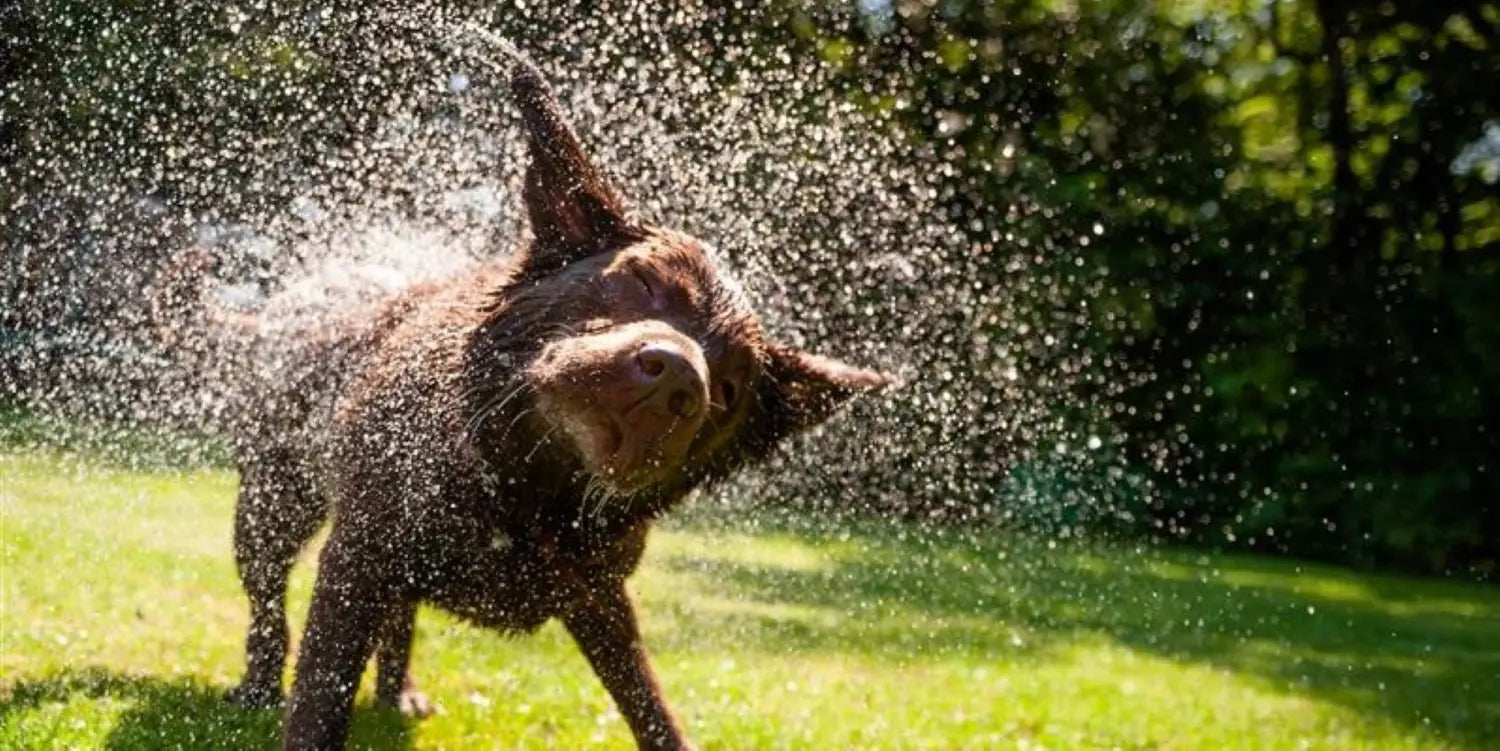
This is the first noticeable thing in a pet with an ear infection. If your dog or cat keeps shaking its head, it's likely feeling pressure. We’ve heard from many dog owners who say this is how they realized something was wrong right after a lake day or bath.
What to Do:
- Gently dry your pet’s ears after swimming or bathing.
- Check for redness or discharge.
- If head shaking continues or symptoms worsen, consult your vet.
2. Scratching at the Ears
If your pet starts pawing or scratching at its ears more than usual, it's usually because something bothers it. This happens due to itchiness from bacteria, yeast, or mild inflammation. Be careful, though: excessive scratching can cause skin damage.
What to Do:
- Check for redness, scabs, or signs of injury.
- Use a soft collar to prevent scratching.
- Schedule a vet visit if scratching persists or worsens.
3. Redness or Swelling Around the Ear Canal
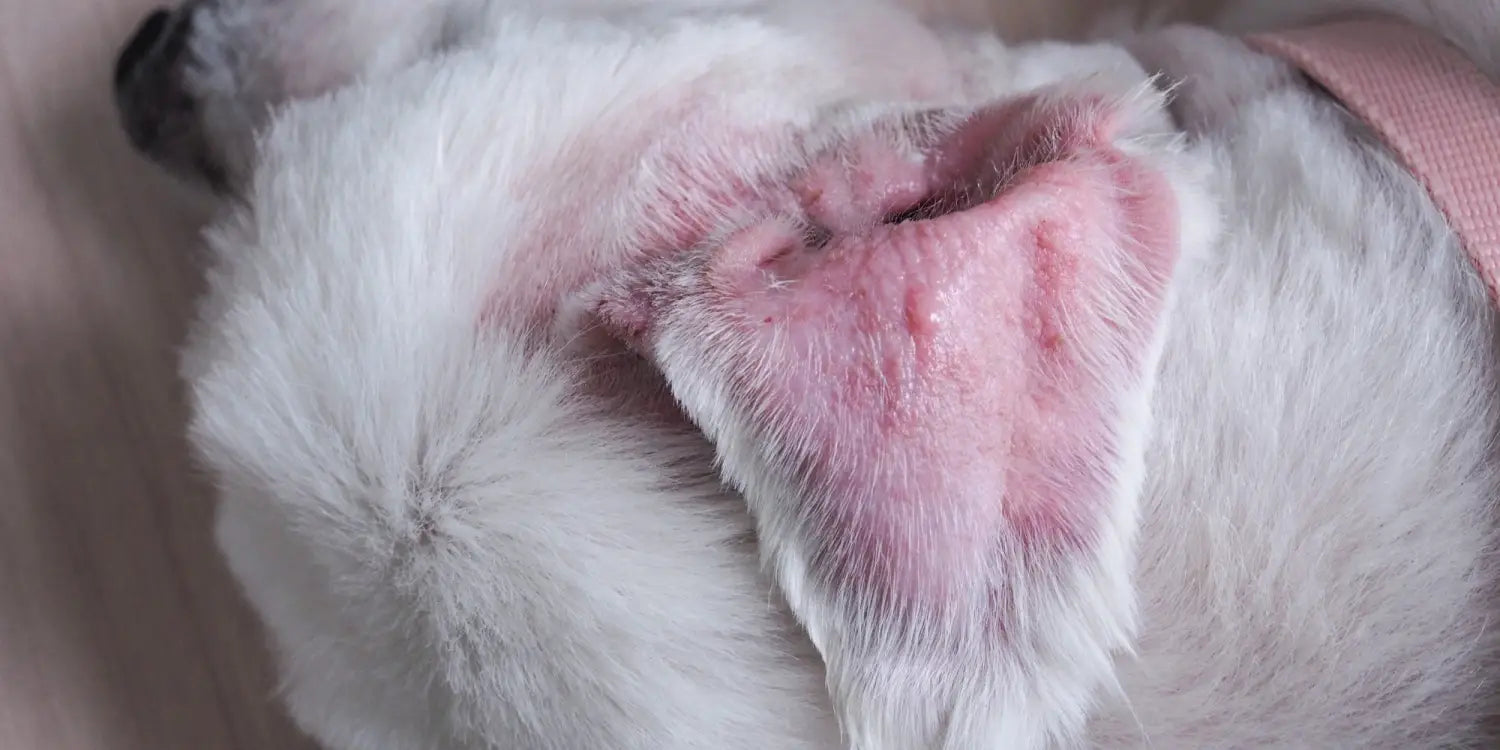
A healthy ear should look pale pink and clean. If you gently lift your pet’s ear flap and notice redness, swelling, or warmth, those are classic signs of an early infection. It is always worth comparing both ears; one may be more irritated than the other.
What to Do:
- Compare both ears to see if one looks more irritated.
- Avoid touching the area too much to prevent pain.
4. A Foul or Musty Odor
It is one of the most apparent and smelliest signs of an ear infection. Many describe it as sour, yeasty, or “like something’s gone off.” If your pet’s ears smell strange, don’t wait; bacterial or yeast infections are likely at play.
What to Do:
- Take a soft cloth and clean the outer ear gently.
- Book a vet appointment to confirm the infection.
5. Discharge (Brown, Yellow, or Bloody)
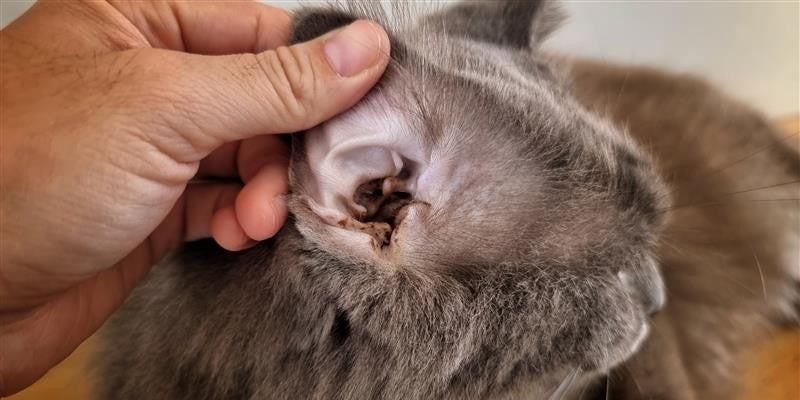
Ear discharge in pets indicates an underlying issue like infection, allergies, or ear mites. It is never natural. You might notice waxy buildup, thick yellow gunk, or a reddish-brown tint. If you see anything like this, a vet visit is a must, especially if it's paired with other symptoms.
What to Do:
- Avoid trying deep cleaning at home.
- Try ear wipes to clean dirt and debris.
- Take note of the color and amount so your vet can test it.
6. Sensitivity When Ears Are Touched
If your usually affectionate dog or cat flinches, whines, or pulls away when you touch their ears, it's a sign they’re in pain. Some may even hide or avoid contact entirely.
What to Do:
- Do not touch your pet’s infected ear.
- Use gentle handling to prevent stress or pain.
7. One-sided head tilt
A persistent head tilt often means your pet is trying to relieve inner ear pain. In some cases, this can signal that the infection is moving deeper, affecting their sense of balance.

What to Do:
- Monitor for additional signs like loss of balance.
- Limit activities that could lead to falls.
8. Loss of Balance or Coordination (in Serious Cases)
If your pet struggles while standing, like stumbling or walking in circles, seek veterinary help immediately. These signs could indicate a severe inner ear infection that needs urgent treatment.
What to Do:
- Provide your pet with a safe space to prevent injury.
- Avoid stairs or elevated surfaces.
Be Proactive, Not Reactive
Your pet may love splashing in the water, but protecting those ears is your responsibility. Knowing what to look for and acting early can help your pet stay healthy and infection-free all summer with the highest-quality ear care products.
Let the swims continue, without the itch!
Frequently Asked Questions
Can pets give ear infections to humans?
Rarely. Ear mites can cause temporary irritation in humans, but don’t lead to severe infection.
Are home remedies safe?
Often not. Vinegar, baking soda, or essential oils can irritate or damage the ear, especially if the eardrum is compromised. Always ask your vet before trying DIY treatments.
Does a dog ear infection go away on its own?
No, most dog ear infections do not resolve without treatment. If treatment is delayed, the disease can worsen and lead to pain, hearing loss, or chronic issues.
Does a dog ear infection smell?
Yes, ear infections often cause a strong, unpleasant odor. This is typically due to bacteria or yeast buildup inside the ear canal.
Are swimmer's ear drops safe for dogs?
Yes, vet-approved swimmer’s ear drops made for dogs are safe. They are specifically formulated to match a dog’s ear pH, contain ingredients that target bacteria and yeast common in canine ear infections, and are gentle on sensitive ear tissue.
How can I know if my dog’s swimmer's ear is healing?
You’ll see signs like less redness, swelling, and pain within a few days. Your dog might stop shaking its head as much, and any ear discharge should also start clearing up.
Related Articles


Recent Articles


