

Thanksgiving with Pets: Smart, Vet-Backed Thanksgiving Safety Tips (2026 Guide)
Atamjeet Kaur (Updated: Aug 05, 2026) 5 min read

It’s Thanksgiving morning, the parade’s on, pies are cooling, your dog is stationed under the table like a hopeful Roomba, and your cat is eyeing the centerpiece. This is the joy of Thanksgiving with pets.
Unfortunately, risks are always lurking when celebrations revolve around food. The ASPCA’s Poison Control Center handled 451,000+ calls in 2024, and holiday meals are a prime time for “curious noses meet rich foods and décor.” A few simple Thanksgiving safety tips keep the joy, and skip the ER.
In this blog, we bring you easy-to-follow pet safety tips on Thanksgiving Day to keep the festive spirit high and risks low.
Key Takeaways
How to Have a Pet-Friendly Thanksgiving
1. Master Safe vs. Unsafe Thanksgiving Foods
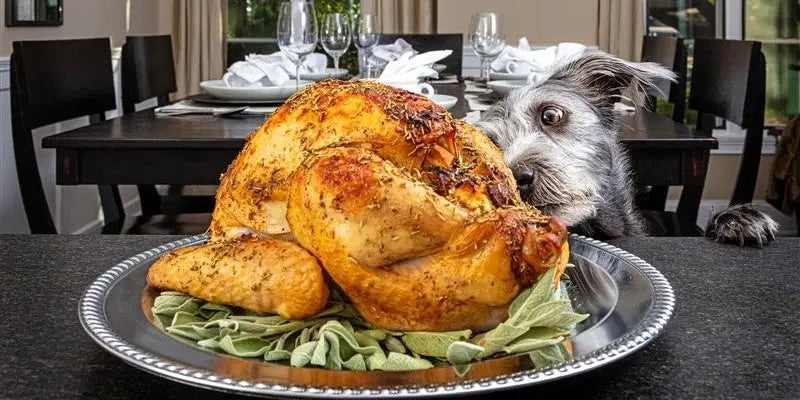
Plain, cooked turkey (white meat only, no bones or skin) is safe in small portions. Never feed turkey skin, bones, gravy, or dark meat – these cause pancreatitis. Absolutely avoid onions, garlic, chocolate, grapes, xylitol, and alcohol. These are toxic and potentially fatal.
Safe swaps: steamed green beans, carrots, plain sweet potato, and plain pumpkin provide healthy alternatives. Feed your pet their regular meal before guests arrive to reduce begging and prevent dietary indiscretion.
2. Prevent Trash Disasters
Turkey carcasses, fatty scraps, and contaminated packaging are irresistible to pets but extremely dangerous. Dispose of food waste immediately in secure, heavy-duty trash cans with tight-fitting lids. Take trash outside to covered bins before bed. This single prevention step can save you a $500+ emergency vet visit.
3. Create a Safe Retreat Space
Designate a quiet room away from party chaos where your pet can escape. Stock it with their favorite bed, toys, water, and comfort items. Anxious pets need a sanctuary from unfamiliar guests and loud noises. Introduce your pet to this space days before Thanksgiving, so they feel secure there.

4. Manage Guest Interactions Carefully
Brief guests before arrival about pet rules and boundaries. Request that they let your pet approach them first rather than forcing interaction. Ask visitors to hang bags and backpacks on hooks, not the floor, as they may contain medications, sugar-free gum (often containing deadly xylitol), or chocolate.
5. Use Calming Supplements for Anxious Pets
Natural calming options include L-tryptophan, melatonin, chamomile, and valerian root. Hemp-based CBD products effectively reduce stress during holiday gatherings without impairing alertness. Supplements like HomeoPet Anxiety Relief offer veterinary-approved, non-sedative relief from stress and anxiety.

Vet recommends: Administer supplements 30-60 minutes before guests arrive for optimal effect. Always consult your veterinarian first.
6. Remove Thanksgiving Decoration Hazards
Lit candles pose fire risks. Instead, use battery-operated alternatives. Avoid toxic plants like autumn crocus and chrysanthemums. Remove small decorations like acorns and corn cobs (which cause intestinal blockages) and secure ribbons and string away from pets. Place all decorations out of reach and never leave pets unattended with hazardous items.
7. Prevent Escapes During Peak Traffic
Guests constantly opening doors create escape opportunities. Install baby gates near entry points and keep your pet leashed or in their safe space during peak arrivals. Ensure your pet wears updated ID tags and has current microchip registration – this dramatically increases reunion chances if escape occurs.
8. Secure Proper Travel Equipment
If traveling, use crash-tested harnesses that connect to seatbelts or airline-approved carriers placed away from airbags. The Sherpa Deluxe Airline Approved Carrier works for car and air travel. For large dogs, the PetSafe Happy Ride Telescoping Ramp prevents strain on senior dogs when entering vehicles. Never transport pets in truck beds or leave them unattended in cars.


9. Prepare for Travel Stress
Pack regular food (avoid diet changes), medications, vaccination records, waste bags, and comfort items. Schedule a pre-travel vet check-up and ensure vaccinations are current. Plan rest stops every 2-3 hours. Use HomeoPet Travel Anxiety to ease motion sickness and travel-related stress during the journey.

10. Know Emergency Symptoms and Response
Watch for vomiting, loss of appetite, diarrhea, lethargy, fever, and abdominal pain – all signs of pancreatitis or toxicity. Keep the ASPCA Animal Poison Control number handy: (888) 426-4435. Locate your nearest 24-hour emergency vet clinic before Thanksgiving, as regular offices close for the holiday. Contact your veterinarian immediately if your pet ingests something dangerous; don't wait for symptoms.
Ready for a Safe Thanksgiving?
Proper preparation ensures your pet enjoys Thanksgiving safely. Stock your kitchen with pet-safe treats, secure proper travel gear, brief your guests on household rules, and keep emergency numbers accessible.
Your furry family members deserve to feel included this Thanksgiving, and with these safety tips, they can be. Prep ahead with our bestseller travel carriers, calming supplements, and safety accessories designed to keep your pets comfortable and secure this holiday season.
Frequently Asked Questions
Q: Can my dog eat turkey on Thanksgiving?
A: Yes, plain, cooked, boneless turkey breast (white meat only, no skin or seasoning) in small portions is safe. A 20-pound dog should have only a few small pieces, representing no more than 10% of daily calories.
Q: What should I do if my dog ate turkey bones?
A: Contact your veterinarian immediately. Turkey bones splinter and cause deadly internal damage or blockages requiring emergency surgery.
Q: How do I know if my pet has pancreatitis?
A: Signs include severe vomiting, loss of appetite, diarrhea, lethargy, fever, and abdominal pain – typically within 24-48 hours of eating fatty food. Seek immediate veterinary care.
Q: Are calming supplements safe?
A: Natural supplements containing L-tryptophan, melatonin, chamomile, and CBD are generally safe when vet-approved. Always consult your veterinarian before starting new products, especially with other medications.
Q: What decorations are pet-safe?
A: Battery-operated candles, non-toxic decorations, and items secured out of reach are safe. Avoid lit candles, toxic plants, and small choking hazards.
Q: What's the safest way to travel with my pet?
A: Use crash-tested car harnesses or secure airline-approved carriers placed away from airbags. Stop every 2-3 hours for breaks to ensure a comfortable, stress-free trip.
Q: Can cats eat Thanksgiving turkey?
A: Yes, small amounts of plain cooked turkey breast (no skin, bones, or seasoning) are safe for cats. Cats are more sensitive to toxins like onions and garlic, so prevent cross-contamination.
Q: What should I do if my pet ate something toxic?
A: Contact your veterinarian or ASPCA Animal Poison Control immediately at (888) 426-4435. Don't induce vomiting without professional guidance, as some substances cause more damage coming back up.
Related Articles


Recent Articles
